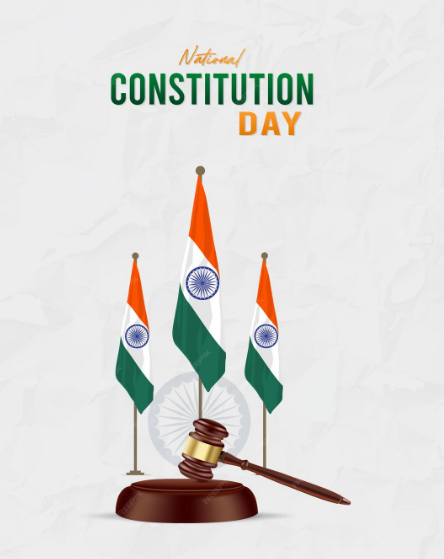



The Constitution of India is the Supreme Law of the Republic of India, laying the framework for the Country's Political System, Defining Powers, and Safeguarding Fundamental Rights
-
Public Group
-
34 Posts
-
11 Photos
-
0 Videos
-
Reviews
-
RIGHT TO INFORMATION
Recent Updates
-
పవన్కల్యాణ్ అభిమాని నిరంజన్ మృతివరంగల్ జిల్లా: హనుమకొండలోని హనుమాన్నగర్లో జన్యుపరమైన వ్యాధితో బాధపడుతున్న 17 ఏళ్ల నిరంజన్ హైదరాబాద్లోని ఆసుపత్రిలో చికిత్స పొందుతూ మృతి చెందాడు. నిరంజన్ నటుడు పవన్కల్యాణ్కు అభిమాని. బాలుడి దుస్థితి తెలుసుకొన్న పవన్కల్యాణ్ ఇటీవల నిరంజన్ను చూసేందుకు అతని ఇంటికి వెళ్లారు0 Comments 1 Shares 33 Views 0 ReviewsPlease log in to like, share and comment!
-
గూడు లేని పక్షులు....మణెమ్మ పిల్లలుఅమ్మలేని లోకం.. అనాథలైన పిల్లలు Mahabubabad::కొత్తగూడ మండల కేంద్రం లో ఒక విషాదం. నిన్నటి దాకా పిల్లల ఆకలి తీర్చిన అమ్మ.. మైసు మణెమ్మ ఇక లేదు. కట్టుకున్న ఇందిరమ్మ ఇల్లు సగం కట్టి ఆగిపోయింది. ఆ తల్లి మరణంతో ఆ ముగ్గురు పిల్లలు ఇప్పుడు వీధిన పడ్డారు.... కనీసం ఉండటానికి కూడా ఇల్లు లేదు...కన్నీరు మున్నీరవుతున్న ఆ పసిహృదయాలను చూస్తుంటే రాతి గుండె అయినా కరగాల్సిందే. ఎస్సై రాజ్...0 Comments 1 Shares 23 Views 0 Reviews
-
చదువు ఇష్టం లేక, కుటుంబ కలహాలతో ఇంటర్ విద్యార్థిని ఆత్మహత్య!మహబూబాబాద్::: కొత్తగూడ మండలంలో తీవ్ర విషాదం చోటుచేసుకుంది. పొగుళ్లపల్లి గ్రామానికి చెందిన పెండ్లి చందన (17) అనే ఇంటర్ ప్రథమ సంవత్సరం విద్యార్థిని బుధవారం తన స్వగృహంలో ఉరివేసుకుని ఆత్మహత్యకు పాల్పడింది. చందన అమీనాబాద్లోని మోడల్ కాలేజీలో చదువుతోంది. వివరాల్లోకి వెళ్తే...మృతురాలి తండ్రి రాజేందర్, తల్లి దేవేంద్ర బతుకుదెరువు కోసం హైదరాబాద్లో కూలి పనులు చేసుకుంటూ నివసిస్తున్నారు. ఈ...0 Comments 1 Shares 33 Views 0 Reviews
-
ఇంటి స్థలాలు కై కలెక్టరేట్ ముట్టడిట్రాక్టర్ ఫై గుడిసె వేసి ఇంటి నమూనాలతో వినూత్న ప్రదర్శన ఆందోళన ఉద్రిక్తం 40 మంది సిపిఐ నేతల అరెస్ట్ MAHABUBABAD: నేడు భారత కమ్యూనిస్టు పార్టీ సిపిఐ ఆధ్వర్యంలో ఇంటి స్థలాలు ఇంటి పట్టాలు ఇంటి నెంబర్లకై కలెక్టరేట్ ముట్టడి కార్యక్రమం నిర్వహించారు.ఈ సందర్భంగా ట్రాక్టర్పై గుడిసె వేసి ఇంటి నమూనాలతో వినూత్న ఆందోళన నిర్వహించారు పెద్ద ఎత్తున నినాదాలు చేస్తూ ఆందోళన నిర్వహించారు ఈ సందర్భంగా...0 Comments 1 Shares 33 Views 0 Reviews
-
రాత్రి పగలు తేడా లేకుండా ప్రాణాలు కాపాడుతున్న నిశ్శబ్ద పోరాట యోధులు!నేడు '108 పైలట్ల' దినోత్సవం సందర్బంగా వారికి శుభాకాంక్షలు ఆపదలో ఉన్నవారికి ఆపద్బాంధవుల్లా నిలుస్తున్న 108 సిబ్బందికి సెల్యూట్ మహబూబాబాద్, మే 26: కూతపెడితే చాలు.. నిమిషాల్లో ప్రత్యక్షమై, మృత్యువుతో పోరాడుతున్న ప్రాణాలను సురక్షితంగా ఆసుపత్రికి చేర్చే అపర సంజీవని... '108 అంబులెన్స్'. మరి ఈ అంబులెన్స్ వెనుక ఉండి, ప్రతి సెకనూ ఎంతో విలువైనదని భావించి, ట్రాఫిక్ను సైతం చీల్చుకుంటూ...0 Comments 1 Shares 97 Views 0 Reviews
-
గ్యాస్ కొరతపై జాతీయ రహదారిపై బైఠాయింపుమహబూబాబాద్, మే 3:: నర్సింహులపేట మండలంలో గ్యాస్ కొరకు బుక్ చేసి పదిహేను రోజులు దాటినా సిలెండర్ రాక పోవడంతో..... ఆదివారం గ్యాస్ లారీ వస్తుందని సమాచారం తెలుసుకున్న వినియోగదారులు ఎదురు చూస్తూ అర్ధరాత్రి నుంచే తమ ఖాళీ సిలెండర్లతో గోదాం ముందర నిద్రించారు. తెల్లవారే వరకు లారీ రాకపోవడం, సంబంధించిన నిర్వాహకులు కూడా ఎవరూ లేక పోవడంతో.. సమాధానం చెప్పేవారు ఎవరూ లేరని వినియోగదారులు విసుగు చెంది ఆగ్రహంతో...0 Comments 1 Shares 139 Views 0 Reviews
-
ఆదివాసుల కల్ప వృక్షం ఇప్ప చెట్టుn నాటు సారా నుంచి సూపర్ ఫుడ్ వరకు… ఇప్పపువ్వు n గిరిజన విద్యార్థినులకు శక్తి ఆహారం n ప్రత్యేక కార్పొరేషన్ ఏర్పాటుకు డిమాండ్.. nవన ప్రేమి డాక్టర్ పుల్సమ్ సాంబయ్య మహబూబాబాద్/కొత్తగూడ,11 ఏప్రిల్ (భారత్ ఆవాజ్): అడవులనే నమ్ముకొని జీవనం కొనసాగిస్తున్నఉమ్మడి కొత్తగూడ ఏజెన్సీ ఆదివాసి గిరిజనులకు ఈ ఎండాకాలంలో ఉపాధి కల్పిస్తోంది ఇప్పపువ్వు. దట్టమైన అడవుల్లో మండుటెండలను...0 Comments 1 Shares 179 Views 0 Reviews
-
డాక్టర్ లేక పేషంట్ అవస్థలుబైక్ స్కిడ్ అయి యువకుడికి తీవ్ర గాయాలు హాస్పిటల్ లో కనబడని డాక్టర్లు మహబూబాబాద్ జిల్లా::: కొత్తగూడ మండలంలో అర్థరాత్రి జరిగిన రోడ్డు ప్రమాదంలో ఓ యువకుడు తీవ్రంగా గాయపడ్డాడు. సకాలంలో వైద్యం అందకపోవడంతో బాధితుడి పరిస్థితి విషమంగా మారినట్లు సమాచారం. కొత్తగూడ మండలంలోని చక్రాల తండ గ్రామానికి చెందిన మాలోతు శ్రీను (30) అనే యువకుడు ఎంచగూడెంలో తన పని ముగించుకుని, శుక్రవారం రాత్రి సుమారు 11 గంటల సమయంలో...0 Comments 1 Shares 169 Views 0 Reviews
-
అడవి తల్లి దీవెన.... గుంజేడు ముసలమ్మ జాతర!ఈ జాతర కేవలం మొక్కుల పండుగే కాదు. గిరిజన సంస్కృతికి అద్దం పట్టే వేదిక ఈనెల 4 నుండి గుంజేడులో జాతర భారీగా తరలిరానున్న భక్తులు ఏర్పాట్లు పూర్తి చేస్తున్న దేవాదాయ శాఖ మహబూబాబాద్/కొత్తగూడ, మార్చి 2(భారత్ అవాజ్)::మండలంలోని దట్టమైన అటవీ ప్రాంతం.. ప్రకృతి ఒడిలో పరవశించే ఆధ్యాత్మిక కేంద్రం గుంజేడు. ఇక్కడ కొలువైన శ్రీ ముసలమ్మ అమ్మవారు భక్తుల పాలిట కల్పవల్లిగా విరాజిల్లుతున్నారు. రెండేళ్లకు ఒకసారి...0 Comments 1 Shares 262 Views 0 Reviews
-
Article 5: Citizenship at the Commencement of the Constitution – Explained SimplWhen India became a Republic on January 26, 1950, the question of "Who is an Indian citizen?" needed clear answers. That's where Article 5 of the Indian Constitution plays a vital role. It defines who would be considered an Indian citizen at the time the Constitution came into effect. This article belongs to Part II (Articles 5 to 11), which deals with Citizenship. “At the...0 Comments 0 Shares 1K Views 0 Reviews
-
Article 6 of the Indian Constitution: Citizenship Rights for People from PakistanAfter India’s independence in 1947 and the partition of British India into India and Pakistan, millions of people were displaced across the new borders. Understanding this complex migration, the Indian Constitution included special provisions to determine who would be considered an Indian citizen. Article 6 of the Indian Constitution deals with the rights of citizenship for people...0 Comments 0 Shares 1K Views 0 Reviews
-
Article 7 -“Rights of Migrants who Moved to Pakistan During Partition”Article 7 of the Indian Constitution What Does Article 7 Say? Article 7 deals with a very sensitive and historical issue — it talks about the citizenship of people who migrated to Pakistan during the partition of India in 1947. In simple words: ❝ If a person who was living in India before partition migrated to Pakistan after March 1, 1947, and later came back to...0 Comments 0 Shares 5K Views 0 Reviews
-
Article 8 – Citizenship for Indians Living Abroad - “Indian by origin. Citizen by choice.”What is Article 8 All About? Article 8 of the Indian Constitution offers citizenship rights to people of Indian origin who are living outside India, provided certain legal conditions are met. It helps individuals who were not born in India, but whose parents or grandparents were, to become Indian citizens even while residing in foreign countries. What the Constitution Says (Official Text):...0 Comments 0 Shares 1K Views 0 Reviews
-
📜 Article 9 – Losing Indian Citizenship Upon Voluntarily Acquiring Citizenship of Another CountryThe Indian Constitution provides rights, but also places limits—especially when it comes to citizenship. One such rule is laid out in Article 9, which says: "No person shall be a citizen of India if he has voluntarily acquired the citizenship of any foreign State." What Does Article 9 Really Mean? This Article bars dual citizenship in India. It means: If you voluntarily...0 Comments 0 Shares 2K Views 0 Reviews
-
📜 Article 10 – Continuity of Citizenship
What is Article 10 About?
Article 10 of the Indian Constitution ensures that once a person has been recognized as a citizen of India under the Constitution, they continue to be a citizen until a law made by Parliament says otherwise.
In Simple Words:
"If you are a citizen under the Constitution, you will remain a citizen unless a new law says you're not anymore."
It’s like a guarantee of continuity — you don’t lose your Indian citizenship randomly.
Exact Words of Article 10:
“Every person who is or is deemed to be a citizen of India under any of the foregoing provisions of this Part shall, subject to the provisions of any law that may be made by Parliament, continue to be such citizen.”
What Does It Mean Practically?
Once you're a citizen under Articles 5 to 9 (based on birth, migration, etc. at the time of Independence),
Your citizenship remains intact — unless Parliament passes a law that takes it away under specific conditions.
It’s like saying: “You are safe as a citizen – unless you do something that legally changes that status.”
Real-Life Example:
Let’s say someone became an Indian citizen in 1950 under Article 5.
Years later, they:
Move abroad,
Take up foreign citizenship, or
Get involved in anti-national activities.
➡️ In such cases, the Parliament’s law (Citizenship Act, 1955) decides if or how their Indian citizenship can be revoked.
So, Article 10 itself doesn’t remove citizenship, but it allows laws like the Citizenship Act to define the rules for losing it.
How Is Article 10 Linked to Citizenship Act, 1955?
Parliament has the authority to create detailed laws on:
How citizenship is acquired,
When it can be terminated (like acquiring citizenship of another country),
When it can be renounced or revoked.
For example:
If a person voluntarily takes citizenship of another country, Section 9 of the Citizenship Act says their Indian citizenship ends.
If someone commits fraud to gain Indian citizenship, it can be revoked.
Why Is Article 10 Important?
🛡️ It protects your status as a citizen from being arbitrarily taken away.
📜 It respects the Constitution’s initial declaration of who is a citizen.
⚖️ It ensures that only Parliament — not anyone else — can decide changes to your citizenship.
Key Takeaways:
Article 10 says: “Once you’re a citizen, you stay a citizen — unless lawfully removed.”
It acts as a bridge between the Constitution and citizenship laws made by Parliament.
It doesn’t give or remove citizenship — it protects the continuity of citizenship status.
"Article 10 is not about gaining or losing citizenship — it's about assuring citizens that their status is legally protected, and that any changes will happen only through democratic law."📜 Article 10 – Continuity of Citizenship What is Article 10 About? Article 10 of the Indian Constitution ensures that once a person has been recognized as a citizen of India under the Constitution, they continue to be a citizen until a law made by Parliament says otherwise. In Simple Words: "If you are a citizen under the Constitution, you will remain a citizen unless a new law says you're not anymore." It’s like a guarantee of continuity — you don’t lose your Indian citizenship randomly. Exact Words of Article 10: “Every person who is or is deemed to be a citizen of India under any of the foregoing provisions of this Part shall, subject to the provisions of any law that may be made by Parliament, continue to be such citizen.” What Does It Mean Practically? Once you're a citizen under Articles 5 to 9 (based on birth, migration, etc. at the time of Independence), Your citizenship remains intact — unless Parliament passes a law that takes it away under specific conditions. It’s like saying: “You are safe as a citizen – unless you do something that legally changes that status.” Real-Life Example: Let’s say someone became an Indian citizen in 1950 under Article 5. Years later, they: Move abroad, Take up foreign citizenship, or Get involved in anti-national activities. ➡️ In such cases, the Parliament’s law (Citizenship Act, 1955) decides if or how their Indian citizenship can be revoked. So, Article 10 itself doesn’t remove citizenship, but it allows laws like the Citizenship Act to define the rules for losing it. How Is Article 10 Linked to Citizenship Act, 1955? Parliament has the authority to create detailed laws on: How citizenship is acquired, When it can be terminated (like acquiring citizenship of another country), When it can be renounced or revoked. For example: If a person voluntarily takes citizenship of another country, Section 9 of the Citizenship Act says their Indian citizenship ends. If someone commits fraud to gain Indian citizenship, it can be revoked. Why Is Article 10 Important? 🛡️ It protects your status as a citizen from being arbitrarily taken away. 📜 It respects the Constitution’s initial declaration of who is a citizen. ⚖️ It ensures that only Parliament — not anyone else — can decide changes to your citizenship. Key Takeaways: Article 10 says: “Once you’re a citizen, you stay a citizen — unless lawfully removed.” It acts as a bridge between the Constitution and citizenship laws made by Parliament. It doesn’t give or remove citizenship — it protects the continuity of citizenship status. "Article 10 is not about gaining or losing citizenship — it's about assuring citizens that their status is legally protected, and that any changes will happen only through democratic law."0 Comments 0 Shares 733 Views 0 Reviews -
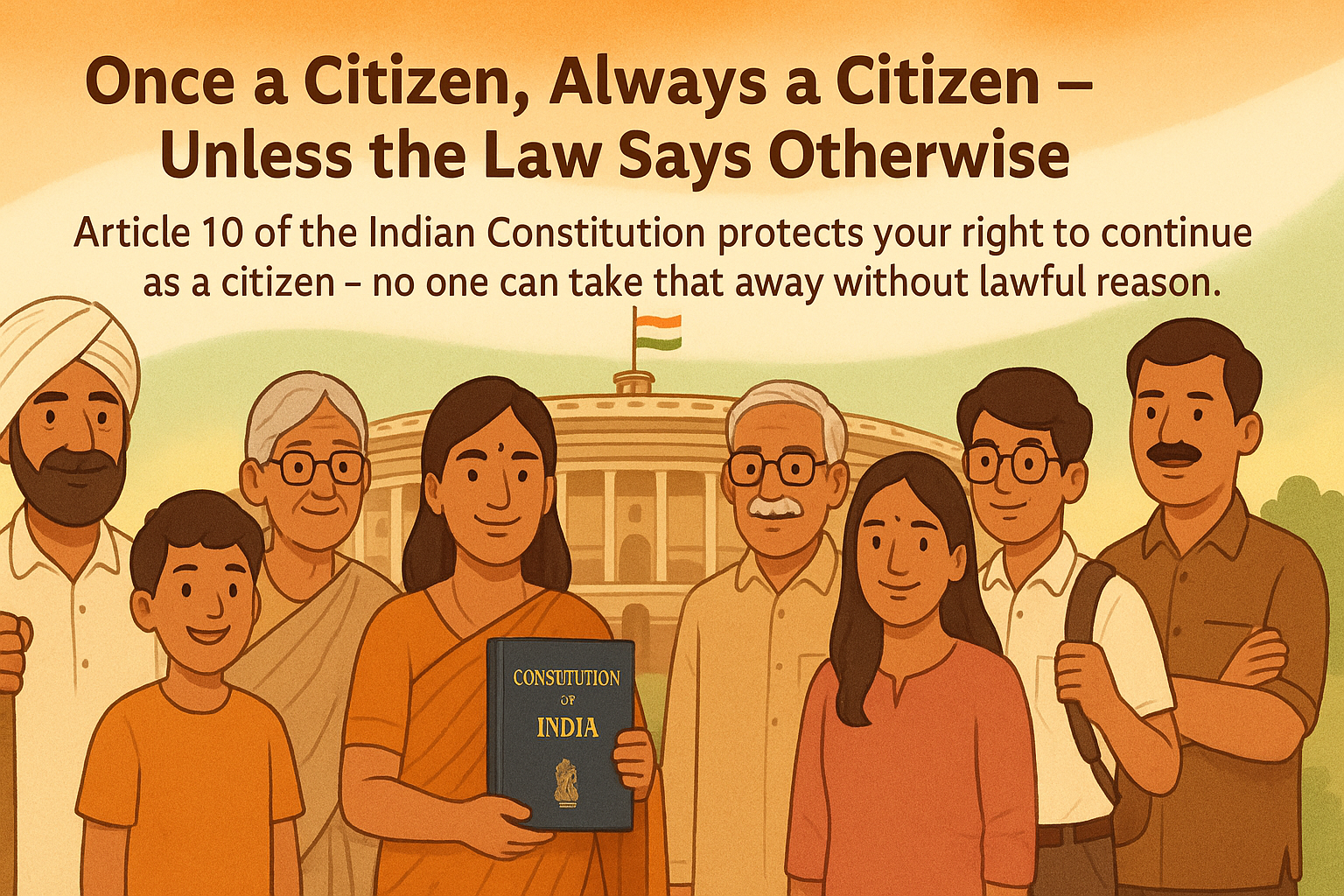
⚖️ Article 14: Everyone Is Equal Before the Law – But Is It True in Practice?What the Law Says: Article 14 of the Indian Constitution promises “Equality before the law and equal protection of the laws” to every person living in India.No matter your caste, gender, religion, income, or background — the law must treat everyone equally. ✅ What This Means in Simple Terms: If a poor farmer and a rich businessman break the law — both...0 Comments 0 Shares 1K Views 0 Reviews
-
⚖️ Article 14: Everyone Is Equal Before the Law – But Is It True in Practice?What the Law Says: Article 14 of the Indian Constitution promises “Equality before the law and equal protection of the laws” to every person living in India. No matter your caste, gender, religion, income, or background — the law must treat everyone equally. What This Means in Simple Terms: If a poor farmer and a rich businessman break the law — both...0 Comments 0 Shares 1K Views 0 Reviews
-
Article 11 – Citizenship Laws Are in the Hands of ParliamentWhat Is Article 11 All About? While the Constitution (Part II) talks about who is a citizen of India at the time of the Constitution’s commencement (1950), Article 11 gives Parliament the power to make laws to decide who can become a citizen of India after that. Simply put:Article 11 says – "Parliament will decide the rules for citizenship after 1950." Exact Words of Article...0 Comments 0 Shares 1K Views 0 Reviews
More Stories
Join the group to join the chatbox
Bharat Aawaz | BMA
https://ba.bharataawaz.com