• Telangana Education Reform
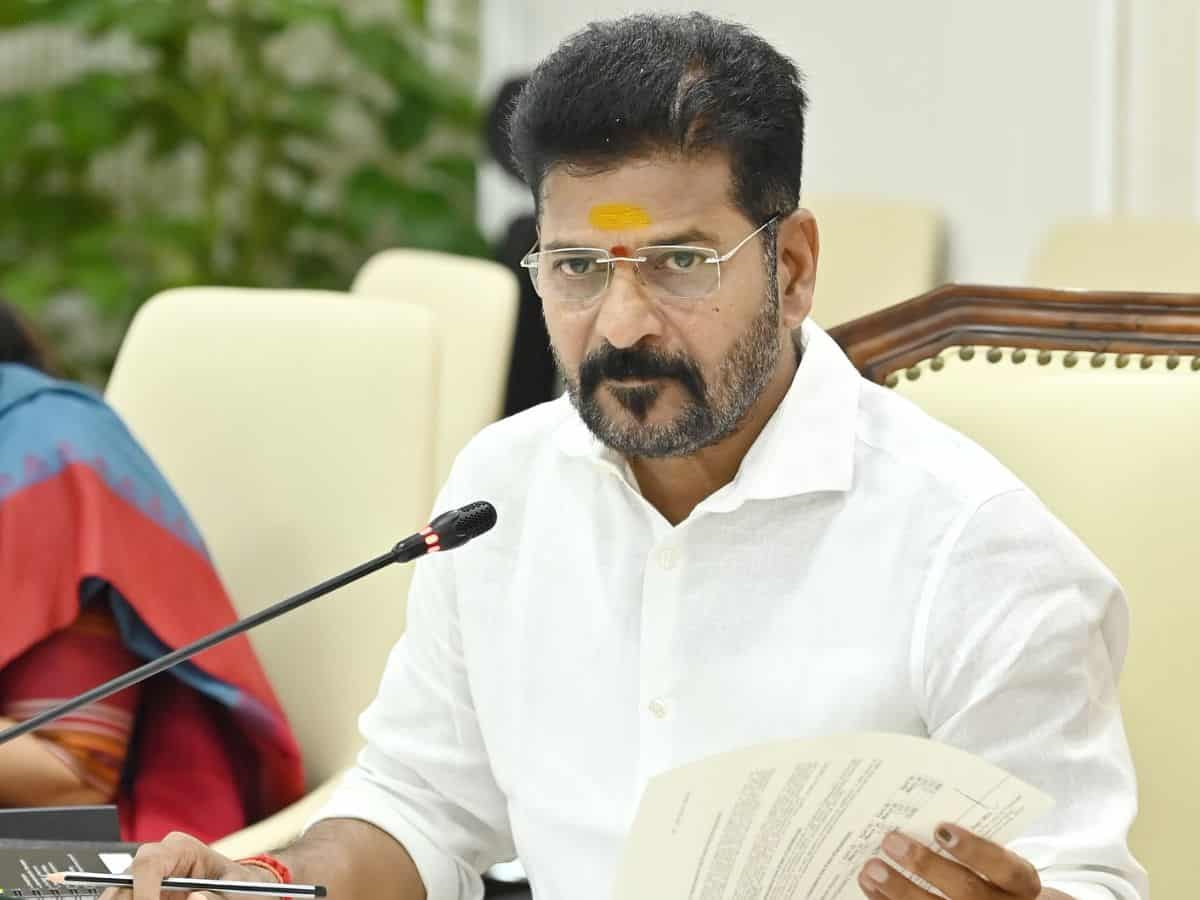
    A. Revanth Reddy has ordered introduction of Artificial Intelligence (AI) education from the school level across Telangana.
    AI curriculum to begin in schools
    Short-term AI training for teachers & lecturers
    AI-based courses to start immediately in polytechnics and ATCs (upgraded ITIs)
    Outdated technical courses to be replaced
    Focus on industry-linked, job-oriented education
    Telangana Public Schools
    ‘Telangana Public Schools’ to be set up in 100 Assembly constituencies (excluding Hyderabad) from next academic year
    Schools will have playgrounds, modern classrooms, transport & qualified staff
    Hyderabad Upgrade
    12 government schools to be built under CURE initiative
    Facilities on par with Jubilee Hills Public School
    CM assured adequate funding to transform government schools into quality institutions and improve employment opportunities for students.
    #telangana #hyderabad #Chiefminister #revanthreddyanumula
    @azharalam
    Telangana Education Reform A. Revanth Reddy has ordered introduction of Artificial Intelligence (AI) education from the school level across Telangana. AI curriculum to begin in schools Short-term AI training for teachers & lecturers AI-based courses to start immediately in polytechnics and ATCs (upgraded ITIs) Outdated technical courses to be replaced Focus on industry-linked, job-oriented education Telangana Public Schools ‘Telangana Public Schools’ to be set up in 100 Assembly constituencies (excluding Hyderabad) from next academic year Schools will have playgrounds, modern classrooms, transport & qualified staff Hyderabad Upgrade 12 government schools to be built under CURE initiative Facilities on par with Jubilee Hills Public School CM assured adequate funding to transform government schools into quality institutions and improve employment opportunities for students. #telangana #hyderabad #Chiefminister #revanthreddyanumula @azharalam
    0 Comments 0 Shares 2K Views 0 Reviews
  • A. Revanth Reddy Warns Action Against Private Schools Over Fee Hikes
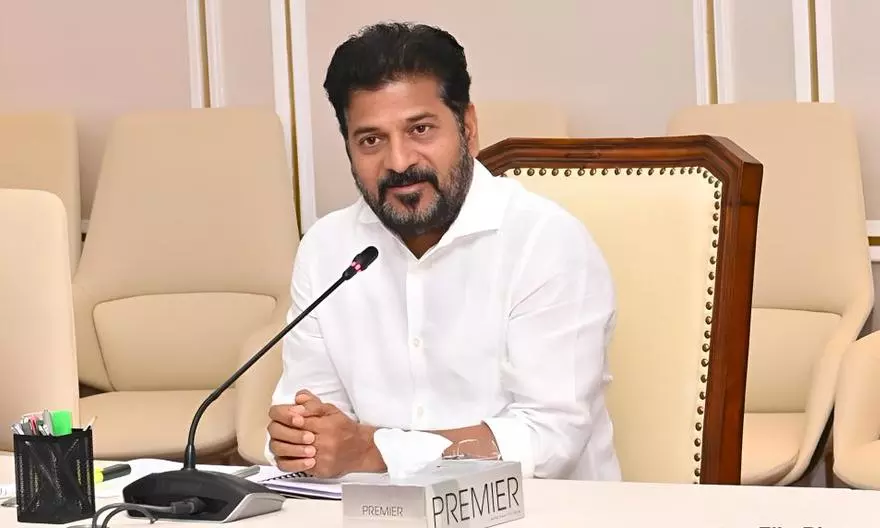
    Amid rising complaints over unregulated fee hikes by private schools in Telangana, Chief Minister A. Revanth Reddy has directed officials to cancel the recognition of institutions found charging fees beyond prescribed norms.
    At a review meeting held in Hyderabad on Thursday, February 26, the Chief Minister — who also holds the Education portfolio — instructed authorities to establish an online grievance mechanism. The system will allow parents to submit complaints and suggestions regarding excessive fees.
    📜 Proposed Fee Regulation Bill
    Last month, the Telangana Education Commission proposed a Bill aimed at regulating fees in the private education sector, covering both:
    🏫 Schools
    🎓 Colleges
    The Commission also recommended the formation of an exclusive regulatory body to monitor and control fee structures.
    Earlier this week, the proposed Telangana Education Policy was formally submitted to the Chief Minister for consideration.
    🎯 Key Takeaways
    Strict action against schools violating fee norms
    Online platform for parent complaints
    Proposed regulatory authority for private education
    Policy reforms under active review
    The move is seen as a significant step towards protecting parents from arbitrary fee hikes and ensuring transparency in the private education sector.
    @azharalam
    #revanthreddyanumula #chiefminister #telangana
    A. Revanth Reddy Warns Action Against Private Schools Over Fee Hikes Amid rising complaints over unregulated fee hikes by private schools in Telangana, Chief Minister A. Revanth Reddy has directed officials to cancel the recognition of institutions found charging fees beyond prescribed norms. At a review meeting held in Hyderabad on Thursday, February 26, the Chief Minister — who also holds the Education portfolio — instructed authorities to establish an online grievance mechanism. The system will allow parents to submit complaints and suggestions regarding excessive fees. 📜 Proposed Fee Regulation Bill Last month, the Telangana Education Commission proposed a Bill aimed at regulating fees in the private education sector, covering both: 🏫 Schools 🎓 Colleges The Commission also recommended the formation of an exclusive regulatory body to monitor and control fee structures. Earlier this week, the proposed Telangana Education Policy was formally submitted to the Chief Minister for consideration. 🎯 Key Takeaways Strict action against schools violating fee norms Online platform for parent complaints Proposed regulatory authority for private education Policy reforms under active review The move is seen as a significant step towards protecting parents from arbitrary fee hikes and ensuring transparency in the private education sector. @azharalam #revanthreddyanumula #chiefminister #telangana
    0 Comments 0 Shares 1K Views 0 Reviews
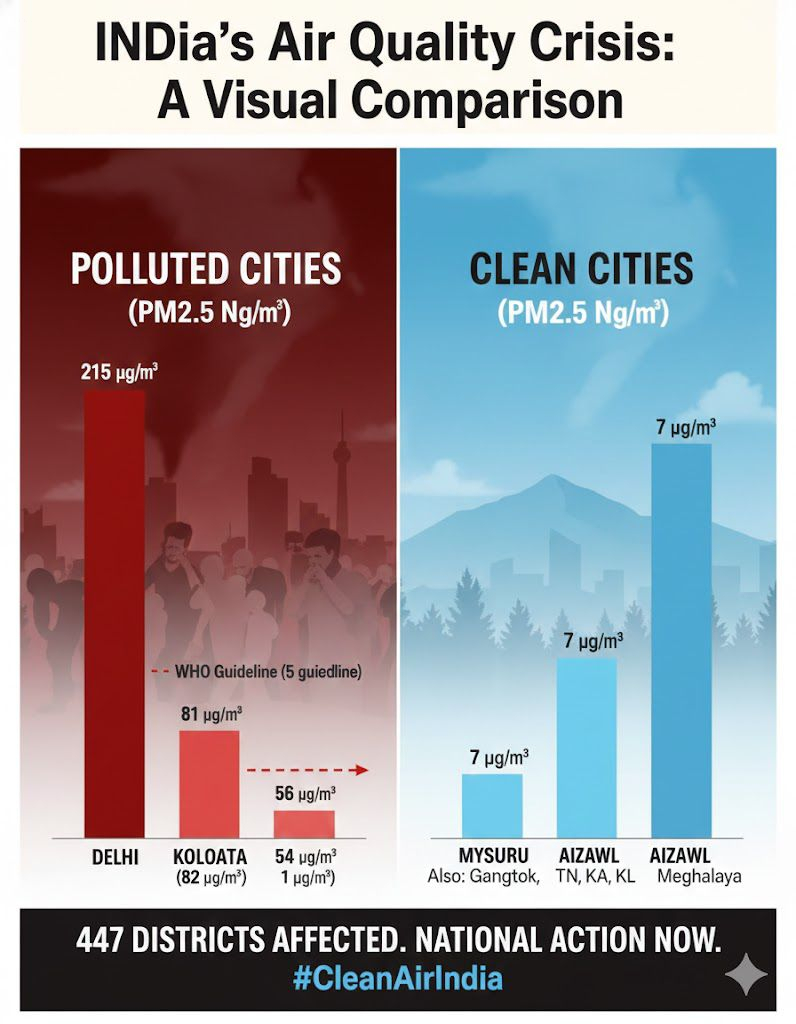
  • India’s Air Crisis: 447 Districts Breach Safety LimitsA new 2025 report reveals that 60% of Indian districts (447 out of 749) are recording dangerous Particulate Matter 2.5 levels. While Delhi remains the worst affected—triggering Stage IV GRAP restrictions this week—the crisis has expanded globally.In the South, Bengaluru and Mumbai are seeing uncharacteristic winter spikes due to construction and vehicular density. Despite a ₹2,394 crore allocation under the National Clean Air Programme (NCAP), experts point to "underutilization of funds" in states like Karnataka and Punjab as a major hurdle. The goal: a 40% reduction by 2026. Will India meet the deadline?

    The December 2025 Reality Check: 📍 Delhi-NCR: Hazardous (AQI 461+). Schools closed, WFH in effect. 📍 Kolkata: Choking under a "diesel legacy" and stagnant winds. 📍 Bengaluru: The "Garden City" isn't safe—AQI spiked to 200 last month. 📍 The Clean Spots: Mysuru and Shillong are among the few still breathing easy.

    #AirPollution #IndiaAirQuality #CleanAirIndia #PublicHealth #Environment
    India’s Air Crisis: 447 Districts Breach Safety LimitsA new 2025 report reveals that 60% of Indian districts (447 out of 749) are recording dangerous Particulate Matter 2.5 levels. While Delhi remains the worst affected—triggering Stage IV GRAP restrictions this week—the crisis has expanded globally.In the South, Bengaluru and Mumbai are seeing uncharacteristic winter spikes due to construction and vehicular density. Despite a ₹2,394 crore allocation under the National Clean Air Programme (NCAP), experts point to "underutilization of funds" in states like Karnataka and Punjab as a major hurdle. The goal: a 40% reduction by 2026. Will India meet the deadline? The December 2025 Reality Check: 📍 Delhi-NCR: Hazardous (AQI 461+). Schools closed, WFH in effect. 📍 Kolkata: Choking under a "diesel legacy" and stagnant winds. 📍 Bengaluru: The "Garden City" isn't safe—AQI spiked to 200 last month. 📍 The Clean Spots: Mysuru and Shillong are among the few still breathing easy. #AirPollution #IndiaAirQuality #CleanAirIndia #PublicHealth #Environment
    0 Comments 0 Shares 3K Views 0 Reviews
  • Should the INDIAN CONSTITUTION be Taught as a Compulsory Subject in All Schools and Colleges?


    Let’s Build a Nation That Knows It's Rights and Duties! Cast Your Vote and Share Your Opinion.
    Should the INDIAN CONSTITUTION be Taught as a Compulsory Subject in All Schools and Colleges? Let’s Build a Nation That Knows It's Rights and Duties! Cast Your Vote and Share Your Opinion.
    1
    0
    0
    0
    0 Comments 0 Shares 286 Views 0 Reviews
  • Training the Next Generation of Reporters

    In an era where the media landscape is rapidly evolving, nurturing the next generation of reporters is essential for sustaining high-quality journalism. Various initiatives across the country aim to mentor young reporters, equipping them with the skills, knowledge, and ethical foundation necessary to thrive in this dynamic field. This piece highlights these initiatives, showcasing the experiences of young reporters as they embark on their journeys in journalism
    1. Mentorship Programs
    Many journalism schools and organizations have established mentorship programs that pair experienced reporters with aspiring journalists. These programs focus on one-on-one guidance, where mentors share invaluable insights about the industry, including writing techniques, research methods, and ethical considerations.
    2. Internship Opportunities
    Internships play a crucial role in bridging the gap between academic learning and real-world reporting. News organizations often offer internships to young reporters, allowing them to gain hands-on experience in various aspects of journalism, from writing and editing to multimedia production.
    3. Workshops and Training Sessions
    Numerous organizations and educational institutions host workshops aimed at developing specific journalistic skills. These sessions cover topics such as digital storytelling, data journalism, social media strategies, and ethical reporting practices.
    4. Collaborative Projects
    Some initiatives encourage young reporters to collaborate on projects that address community issues. By working together, they learn the importance of teamwork, communication, and diverse perspectives in journalism.
    5. Feedback and Reflection
    Critical to the development of young reporters is the process of receiving constructive feedback and reflecting on their work. Initiatives often include regular review sessions, where mentors and peers provide input on articles, allowing young reporters to refine their writing and reporting techniques.
    Empowering Future Journalists
    Initiatives aimed at mentoring young reporters play a crucial role in shaping the future of journalism. By providing practical experience, fostering collaboration, and emphasizing ethical reporting, these programs empower the next generation of journalists to navigate the complexities of the media landscape. As these young reporters hone their skills and find their voices, they become well-equipped to tackle the challenges of today’s world, ensuring that journalism remains a vital tool for democracy and social change.
    telugu
    #Bharat Aawaz
    Training the Next Generation of Reporters In an era where the media landscape is rapidly evolving, nurturing the next generation of reporters is essential for sustaining high-quality journalism. Various initiatives across the country aim to mentor young reporters, equipping them with the skills, knowledge, and ethical foundation necessary to thrive in this dynamic field. This piece highlights these initiatives, showcasing the experiences of young reporters as they embark on their journeys in journalism 1. Mentorship Programs Many journalism schools and organizations have established mentorship programs that pair experienced reporters with aspiring journalists. These programs focus on one-on-one guidance, where mentors share invaluable insights about the industry, including writing techniques, research methods, and ethical considerations. 2. Internship Opportunities Internships play a crucial role in bridging the gap between academic learning and real-world reporting. News organizations often offer internships to young reporters, allowing them to gain hands-on experience in various aspects of journalism, from writing and editing to multimedia production. 3. Workshops and Training Sessions Numerous organizations and educational institutions host workshops aimed at developing specific journalistic skills. These sessions cover topics such as digital storytelling, data journalism, social media strategies, and ethical reporting practices. 4. Collaborative Projects Some initiatives encourage young reporters to collaborate on projects that address community issues. By working together, they learn the importance of teamwork, communication, and diverse perspectives in journalism. 5. Feedback and Reflection Critical to the development of young reporters is the process of receiving constructive feedback and reflecting on their work. Initiatives often include regular review sessions, where mentors and peers provide input on articles, allowing young reporters to refine their writing and reporting techniques. Empowering Future Journalists Initiatives aimed at mentoring young reporters play a crucial role in shaping the future of journalism. By providing practical experience, fostering collaboration, and emphasizing ethical reporting, these programs empower the next generation of journalists to navigate the complexities of the media landscape. As these young reporters hone their skills and find their voices, they become well-equipped to tackle the challenges of today’s world, ensuring that journalism remains a vital tool for democracy and social change. telugu #Bharat Aawaz
    0 Comments 0 Shares 2K Views 0 Reviews
  • Local Heroes: Reporters Highlighting Community Contributions!

    Local journalism plays a crucial role in shining a light on the unsung heroes of our communities—those individuals whose contributions often go unnoticed but have a significant impact on the lives of others. Here are some ways reporters can feature these local heroes and showcase their stories:

    1. Profile Stories:
    Reporters can conduct in-depth interviews with individuals making a difference in their communities. These profiles should highlight their backgrounds, motivations, and the specific actions they take to create positive change.
    2.Community Impact Features:
    Stories that explore the broader impact of these heroes on the community can illustrate how their efforts contribute to social change or improvement in quality of life
    3. Event Coverage:
    Covering local events that celebrate community heroes can provide a platform for their recognition. Reporters can document award ceremonies, community festivals, or fundraisers that honor these individuals.
    4. Photo Essays:
    Visual storytelling through photo essays can powerfully convey the stories of local heroes. By combining compelling images with narrative captions, reporters can create an emotional connection with the audience.
    5. Social Media Spotlights:
    Utilizing social media platforms can help reporters amplify the stories of local heroes. Short video clips or posts featuring these individuals can engage the community and encourage recognition and support.
    6. Collaborative Projects:
    Reporters can collaborate with local schools, organizations, or community groups to highlight heroes within the community. These partnerships can lead to deeper storytelling and broader reach.
    By focusing on local heroes, reporters not only highlight individual contributions but also foster a sense of community pride and inspire others to get involved. These stories remind us of the power of local journalism in amplifying voices that often go unheard and celebrating the everyday champions among us.
    #Bharat Aawaz
    Local Heroes: Reporters Highlighting Community Contributions! Local journalism plays a crucial role in shining a light on the unsung heroes of our communities—those individuals whose contributions often go unnoticed but have a significant impact on the lives of others. Here are some ways reporters can feature these local heroes and showcase their stories: 1. Profile Stories: Reporters can conduct in-depth interviews with individuals making a difference in their communities. These profiles should highlight their backgrounds, motivations, and the specific actions they take to create positive change. 2.Community Impact Features: Stories that explore the broader impact of these heroes on the community can illustrate how their efforts contribute to social change or improvement in quality of life 3. Event Coverage: Covering local events that celebrate community heroes can provide a platform for their recognition. Reporters can document award ceremonies, community festivals, or fundraisers that honor these individuals. 4. Photo Essays: Visual storytelling through photo essays can powerfully convey the stories of local heroes. By combining compelling images with narrative captions, reporters can create an emotional connection with the audience. 5. Social Media Spotlights: Utilizing social media platforms can help reporters amplify the stories of local heroes. Short video clips or posts featuring these individuals can engage the community and encourage recognition and support. 6. Collaborative Projects: Reporters can collaborate with local schools, organizations, or community groups to highlight heroes within the community. These partnerships can lead to deeper storytelling and broader reach. By focusing on local heroes, reporters not only highlight individual contributions but also foster a sense of community pride and inspire others to get involved. These stories remind us of the power of local journalism in amplifying voices that often go unheard and celebrating the everyday champions among us. #Bharat Aawaz
    0 Comments 0 Shares 3K Views 0 Reviews
  • Importance of Fostering New Voices in Journalism !

    Diversity of Perspectives: Young people often see the world through a unique lens, shaped by their experiences in a rapidly changing global environment. Fostering these voices helps diversify the narratives in media and ensures that stories relevant to younger demographics, such as climate change, social justice, mental health, and technology, are more prominently covered. Innovation in Storytelling: The younger generation tends to be more tech-savvy and creative in using new tools for storytelling. They are more likely to experiment with social media, podcasts, video content, and interactive journalism. By engaging youth, journalism evolves to meet modern expectations and uses emerging platforms to reach wider audiences. Maintaining Democratic Ideals: Journalism is often described as a cornerstone of democracy, providing the public with information to make informed decisions. Involving youth in journalism means equipping the next generation with the skills and ethics necessary to hold power accountable and give voice to the underrepresented. Initiatives to Encourage Youth in Journalism Various programs and initiatives have been launched to engage youth in journalism, aiming to provide them with the skills, opportunities, and platforms to succeed. Journalism Workshops and Training Programs: Schools, colleges, and non-profit organizations offer workshops that teach the basics of journalism—reporting, writing, fact-checking, and digital content creation. These programs often focus on hands-on experiences, encouraging students to create their own stories, conduct interviews, and learn about the ethics of journalism. Youth Journalism Competitions: Many competitions are held globally and locally to inspire young journalists. These competitions often encourage youth to report on issues that matter to them, giving them a platform to have their voices heard. Winning entries are sometimes published in prominent outlets, helping young reporters build their portfolios. Mentorship Programs: Some initiatives pair young aspiring journalists with experienced reporters to guide them through the complexities of the profession. Mentorship helps young people navigate challenges, build connections in the industry, and receive constructive feedback on their work. Youth-Led Media Platforms: There are several platforms dedicated solely to youth journalism. These outlets allow young reporters to publish their work, covering issues that resonate with their peers. Such platforms foster a sense of ownership and leadership in journalism, enabling young people to take the lead on storytelling.
    #Bharat Aawaz
    Importance of Fostering New Voices in Journalism ! Diversity of Perspectives: Young people often see the world through a unique lens, shaped by their experiences in a rapidly changing global environment. Fostering these voices helps diversify the narratives in media and ensures that stories relevant to younger demographics, such as climate change, social justice, mental health, and technology, are more prominently covered. Innovation in Storytelling: The younger generation tends to be more tech-savvy and creative in using new tools for storytelling. They are more likely to experiment with social media, podcasts, video content, and interactive journalism. By engaging youth, journalism evolves to meet modern expectations and uses emerging platforms to reach wider audiences. Maintaining Democratic Ideals: Journalism is often described as a cornerstone of democracy, providing the public with information to make informed decisions. Involving youth in journalism means equipping the next generation with the skills and ethics necessary to hold power accountable and give voice to the underrepresented. Initiatives to Encourage Youth in Journalism Various programs and initiatives have been launched to engage youth in journalism, aiming to provide them with the skills, opportunities, and platforms to succeed. Journalism Workshops and Training Programs: Schools, colleges, and non-profit organizations offer workshops that teach the basics of journalism—reporting, writing, fact-checking, and digital content creation. These programs often focus on hands-on experiences, encouraging students to create their own stories, conduct interviews, and learn about the ethics of journalism. Youth Journalism Competitions: Many competitions are held globally and locally to inspire young journalists. These competitions often encourage youth to report on issues that matter to them, giving them a platform to have their voices heard. Winning entries are sometimes published in prominent outlets, helping young reporters build their portfolios. Mentorship Programs: Some initiatives pair young aspiring journalists with experienced reporters to guide them through the complexities of the profession. Mentorship helps young people navigate challenges, build connections in the industry, and receive constructive feedback on their work. Youth-Led Media Platforms: There are several platforms dedicated solely to youth journalism. These outlets allow young reporters to publish their work, covering issues that resonate with their peers. Such platforms foster a sense of ownership and leadership in journalism, enabling young people to take the lead on storytelling. #Bharat Aawaz
    0 Comments 0 Shares 379 Views 0 Reviews
  • How Journalists Can Drive Social Change
    Reporting on Social Issues!

    Journalists play a vital role in addressing social issues by shining a light on the challenges faced by communities and advocating for change. By covering topics such as poverty, education, health, and environmental concerns, reporters can raise awareness and foster a deeper understanding of these issues among the public.
    • Bringing Awareness: Reporting on social issues helps to inform the public about the realities faced by marginalized or underrepresented groups. For example, articles highlighting the struggles of families living in poverty can draw attention to the systemic factors contributing to their situation, prompting discussions on potential solutions.
    • Promoting Dialogue and Engagement: By covering social issues, journalists can encourage dialogue within communities. When people are informed about pressing concerns, they are more likely to engage in discussions and initiatives aimed at creating change. For instance, reporting on educational disparities can inspire community members to advocate for better funding and resources for local schools.
    • Fostering Empathy: In-depth reporting on social issues can evoke empathy among readers. By sharing personal stories and experiences of those affected by these issues, journalists can humanize complex topics, making them relatable and urging the audience to take action. For example, a feature story on a single parent struggling to access healthcare can galvanize community support for local health initiatives.
    • Influencing Policy and Action: Well-researched articles that highlight social issues can influence policymakers and stakeholders to take action. When journalists present compelling evidence of a problem, such as inadequate housing or lack of access to education, it can lead to discussions at governmental levels and prompt necessary reforms.
    The Journalist as a Change Agent
    Beyond merely reporting on issues, journalists can actively function as change agents within society. Their work has the power to shape public opinion and drive legislative changes.
    • Investigative Journalism: Journalists who investigate and report on corruption, abuse, or injustice can lead to significant societal changes. For instance, a journalist uncovering unethical practices within a government agency may prompt an investigation, resulting in policy reforms and greater accountability.
    • Highlighting Success Stories: Journalists can also focus on success stories and initiatives that are making a difference in society. By showcasing programs that effectively address issues like homelessness or mental health, journalists can inspire others to replicate these efforts and encourage investment in similar initiatives.
    • Shaping Public Opinion: Journalists have the ability to influence how the public perceives social issues. By framing stories in a way that emphasizes the urgency and importance of specific concerns, they can shift public opinion and create momentum for change. For example, a series of articles that cover the impact of climate change on local communities can lead to increased public support for environmental policies.
    • Mobilizing Communities: By providing information on local initiatives, events, or campaigns, journalists can mobilize communities to take action. For example, reporting on a community-led cleanup initiative can encourage more residents to participate and foster a sense of collective responsibility for the environment.
    In conclusion, journalists have a profound capacity to drive social change through their reporting and advocacy. By covering pressing social issues and acting as change agents, they can raise awareness, influence public opinion, and contribute to meaningful progress in society.
    #Bharat Aawaz
    How Journalists Can Drive Social Change Reporting on Social Issues! Journalists play a vital role in addressing social issues by shining a light on the challenges faced by communities and advocating for change. By covering topics such as poverty, education, health, and environmental concerns, reporters can raise awareness and foster a deeper understanding of these issues among the public. • Bringing Awareness: Reporting on social issues helps to inform the public about the realities faced by marginalized or underrepresented groups. For example, articles highlighting the struggles of families living in poverty can draw attention to the systemic factors contributing to their situation, prompting discussions on potential solutions. • Promoting Dialogue and Engagement: By covering social issues, journalists can encourage dialogue within communities. When people are informed about pressing concerns, they are more likely to engage in discussions and initiatives aimed at creating change. For instance, reporting on educational disparities can inspire community members to advocate for better funding and resources for local schools. • Fostering Empathy: In-depth reporting on social issues can evoke empathy among readers. By sharing personal stories and experiences of those affected by these issues, journalists can humanize complex topics, making them relatable and urging the audience to take action. For example, a feature story on a single parent struggling to access healthcare can galvanize community support for local health initiatives. • Influencing Policy and Action: Well-researched articles that highlight social issues can influence policymakers and stakeholders to take action. When journalists present compelling evidence of a problem, such as inadequate housing or lack of access to education, it can lead to discussions at governmental levels and prompt necessary reforms. The Journalist as a Change Agent Beyond merely reporting on issues, journalists can actively function as change agents within society. Their work has the power to shape public opinion and drive legislative changes. • Investigative Journalism: Journalists who investigate and report on corruption, abuse, or injustice can lead to significant societal changes. For instance, a journalist uncovering unethical practices within a government agency may prompt an investigation, resulting in policy reforms and greater accountability. • Highlighting Success Stories: Journalists can also focus on success stories and initiatives that are making a difference in society. By showcasing programs that effectively address issues like homelessness or mental health, journalists can inspire others to replicate these efforts and encourage investment in similar initiatives. • Shaping Public Opinion: Journalists have the ability to influence how the public perceives social issues. By framing stories in a way that emphasizes the urgency and importance of specific concerns, they can shift public opinion and create momentum for change. For example, a series of articles that cover the impact of climate change on local communities can lead to increased public support for environmental policies. • Mobilizing Communities: By providing information on local initiatives, events, or campaigns, journalists can mobilize communities to take action. For example, reporting on a community-led cleanup initiative can encourage more residents to participate and foster a sense of collective responsibility for the environment. In conclusion, journalists have a profound capacity to drive social change through their reporting and advocacy. By covering pressing social issues and acting as change agents, they can raise awareness, influence public opinion, and contribute to meaningful progress in society. #Bharat Aawaz
    0 Comments 0 Shares 2K Views 0 Reviews
Bharat Aawaz | BMA https://ba.bharataawaz.com