• A major fire broke out due to an electric shock in commercial boxes installed opposite the electricity office near Seven Tombs Road, beside Masjid-e-Tawheed Ahle Hadees.
    At the time of the incident, around 5,000 worshippers were offering prayers inside the mosque.
    Mosque volunteers and Fire Brigade teams quickly responded and managed to bring the fire under control, preventing a major tragedy.
    Local residents have alleged negligence by the Greater Hyderabad Municipal Corporation (GHMC) for allowing commercial boxes to be installed in front of the electricity office.
    Further details are awaited.
    @@S.AzharAlam
    #Hyderabad #FireAccident #SevenTombsRoad #GHMC #BreakingNews
    A major fire broke out due to an electric shock in commercial boxes installed opposite the electricity office near Seven Tombs Road, beside Masjid-e-Tawheed Ahle Hadees. At the time of the incident, around 5,000 worshippers were offering prayers inside the mosque. Mosque volunteers and Fire Brigade teams quickly responded and managed to bring the fire under control, preventing a major tragedy. Local residents have alleged negligence by the Greater Hyderabad Municipal Corporation (GHMC) for allowing commercial boxes to be installed in front of the electricity office. Further details are awaited. @@S.AzharAlam #Hyderabad #FireAccident #SevenTombsRoad #GHMC #BreakingNews
    Like
    1
    0 Comments 0 Shares 2K Views 0 Reviews
  • A car caught fire on National Highway-65 near Nandikandi in Sadashivpet of Sangareddy, causing brief panic among motorists on the busy highway.
    According to reports, the driver noticed smoke and flames emerging from the vehicle while driving. Acting quickly, he parked the car on the roadside, which helped prevent a major accident on the highway.
    The sudden blaze created concern among passing motorists for a short period. However, no injuries were reported in the incident.
    Despite the quick response, the vehicle was completely gutted in the fire. The exact cause of the fire is yet to be confirmed, though it is suspected to be due to a technical fault.
    @@S.AzharAlam
    #telangana #Sangareddy #carincident #fire
    A car caught fire on National Highway-65 near Nandikandi in Sadashivpet of Sangareddy, causing brief panic among motorists on the busy highway. According to reports, the driver noticed smoke and flames emerging from the vehicle while driving. Acting quickly, he parked the car on the roadside, which helped prevent a major accident on the highway. The sudden blaze created concern among passing motorists for a short period. However, no injuries were reported in the incident. Despite the quick response, the vehicle was completely gutted in the fire. The exact cause of the fire is yet to be confirmed, though it is suspected to be due to a technical fault. @@S.AzharAlam #telangana #Sangareddy #carincident #fire
    0 Comments 0 Shares 630 Views 12 0 Reviews
  • massive fire broke out at a furniture shop under the limits of Bachupally Police Station on Nizampet Circle Road.
    According to initial reports, the furniture store was being operated as an unauthorized temporary structure without official permission and allegedly lacked proper safety measures. The sudden blaze created panic in the area, with thick smoke and flames visible from a considerable distance.
    Local residents expressed fear as the fire spread rapidly, raising concerns that it could engulf nearby houses. Many people rushed out of their homes as a precautionary measure.
    Police officials suspect that a short circuit may have caused the fire. However, the exact reason will be confirmed after a detailed investigation.
    Fire department personnel reached the spot promptly and are working to bring the fire under control. No casualties have been reported so far.
    @S.Azhar Alam
    #telangana ##fireincident
    massive fire broke out at a furniture shop under the limits of Bachupally Police Station on Nizampet Circle Road. According to initial reports, the furniture store was being operated as an unauthorized temporary structure without official permission and allegedly lacked proper safety measures. The sudden blaze created panic in the area, with thick smoke and flames visible from a considerable distance. Local residents expressed fear as the fire spread rapidly, raising concerns that it could engulf nearby houses. Many people rushed out of their homes as a precautionary measure. Police officials suspect that a short circuit may have caused the fire. However, the exact reason will be confirmed after a detailed investigation. Fire department personnel reached the spot promptly and are working to bring the fire under control. No casualties have been reported so far. @S.Azhar Alam #telangana ##fireincident
    0 Comments 0 Shares 552 Views 8 0 Reviews
  • “A fire broke out in a house due to a short circuit. The incident occurred on Qadri Chaman Road under Falaknuma Police Station limits. Listen to the details.”
    @S.Azhar Alam
    #telangana #hyderabad #falaknuma
    “A fire broke out in a house due to a short circuit. The incident occurred on Qadri Chaman Road under Falaknuma Police Station limits. Listen to the details.” @S.Azhar Alam #telangana #hyderabad #falaknuma
    Like
    1
    0 Comments 0 Shares 1K Views 0 Reviews
  • Huge fire accident happenend at jubilee hills checkpost in a cloth showroom. It is due to short circuit.
    Huge fire accident happenend at jubilee hills checkpost in a cloth showroom. It is due to short circuit.
    0 Comments 0 Shares 281 Views 0 Reviews
  • The Voice Listens

    Anjali clutched her journalism degree like a shield that had failed her. In the gleaming, high-decibel newsrooms of Delhi where she had interned, truth was a commodity, traded for ratings and shaped by the highest bidder. Stories that mattered were buried under an avalanche of celebrity gossip and political shouting matches. The fire that had propelled her through college was dwindling to a flicker of disillusionment. Was this it? Was the voice of the nation just the loudest echo in a closed chamber?

    One night, scrolling aimlessly through the digital noise, a simple, stark headline caught her eye. It wasn't from a major outlet. The website was minimalist, almost plain. The logo was a simple, powerful Devanagari script: भारत आवाज़ (Bharat Aawaz). The tagline read: Can You Be the Voice of the Poor, Deprived, and Depressed?

    The story was about a community of weavers in rural Bihar whose livelihood was being decimated by a new industrial policy. It was told not through the lens of an expert in a studio, but through the raw, unfiltered words of the weavers themselves. There was no sensationalism, only a quiet, profound dignity in their struggle. Anjali spent the next hour devouring every article on the site. These were stories from the heart of the country, from the places the cameras never went. This was journalism as a service, not a spectacle.

    With a surge of purpose she hadn't felt in months, she found their contact information—a simple WhatsApp number. She typed out a message, her heart pounding. "I want to be a voice," she wrote. "I want to join."

    The reply came from a man named Prakash, the founder and editor. Bharat Aawaz, he explained, wasn't a company; it was a mission. They had no fancy office, just a network of a few dedicated reporters and citizen journalists, connected by their shared belief that the real stories of India were not in its boardrooms, but in its villages, its fields, and its slums.

    Her first assignment was a whisper of a lead from a remote tribal hamlet in the hills of Jharkhand, a place called Pathargarh. The official story was that the village was being "relocated" for a new dam project, a symbol of progress. The whisper said otherwise.

    When Anjali arrived, the air was thick with fear. The villagers, proud and ancient, were being treated like ghosts on their own land. Men in uniforms patrolled their fields, and the promises of compensation and new homes were hollow words that dissolved in the monsoon air. For days, no one would speak to her. To them, she was just another outsider with a notebook, another tourist of their tragedy.

    Remembering Prakash's advice—"Don't be a reporter, be a listener"—she put her notebook away. She helped an elderly woman draw water from the well. She sat with the children and listened to their songs. She shared the simple meals offered to her, learning the names of the trees, the hills, and the spirits that resided in them.

    Slowly, the stories came. Not as interviews, but as conversations. They spoke of sacred groves that would be submerged, of ancestral lands sold through forged documents, of a future where their identity would be washed away. An old chieftain, his eyes holding the wisdom of generations, finally showed her a tattered, hidden file. It contained original land deeds, proof that the land was theirs, a truth the authorities claimed did not exist.

    As she documented the evidence, the pressure mounted. Her tires were slashed. A local official warned her to leave for her own safety. The human in her was terrified. But the journalist in her, the voice she had promised to be, knew this was the story. This was the moment of choice: to be a chronicler of their defeat, or a channel for their fight.

    She sent her findings to Prakash. Bharat Aawaz didn't just publish an article. They started a movement. They used the villagers' own words, their photos, their songs. The headline was simple: "Pathargarh Has a Voice. Are You Listening?"

    The story, amplified on social media, broke through the national media's bubble of indifference. It was shared by students, activists, and then, by more prominent journalists who had been shamed into paying attention. The hashtag #AawazForPathargarh began to trend. The raw truth of the villagers' testimony was more powerful than any polished corporate press release.

    Weeks later, a team of human rights lawyers, alerted by the story, arrived in Pathargarh. A national commission launched an inquiry. The dam project was halted, pending a review of the land claims.

    Anjali stood on a hill overlooking the village, not as a reporter who had "broken" a story, but as a link in a chain of truth. The victory wasn't hers; it belonged to the people of Pathargarh who had dared to speak. Bharat Aawaz hadn't given them a voice; it had simply passed them the microphone, ensuring the whole country could hear the song they were already singing. The flicker of disillusionment she once felt had been forged in the fire of Pathargarh's struggle into an unshakeable flame. She finally understood. To be the voice of Bharat, you first had to learn how to listen.

    The Voice Listens Anjali clutched her journalism degree like a shield that had failed her. In the gleaming, high-decibel newsrooms of Delhi where she had interned, truth was a commodity, traded for ratings and shaped by the highest bidder. Stories that mattered were buried under an avalanche of celebrity gossip and political shouting matches. The fire that had propelled her through college was dwindling to a flicker of disillusionment. Was this it? Was the voice of the nation just the loudest echo in a closed chamber? One night, scrolling aimlessly through the digital noise, a simple, stark headline caught her eye. It wasn't from a major outlet. The website was minimalist, almost plain. The logo was a simple, powerful Devanagari script: भारत आवाज़ (Bharat Aawaz). The tagline read: Can You Be the Voice of the Poor, Deprived, and Depressed? The story was about a community of weavers in rural Bihar whose livelihood was being decimated by a new industrial policy. It was told not through the lens of an expert in a studio, but through the raw, unfiltered words of the weavers themselves. There was no sensationalism, only a quiet, profound dignity in their struggle. Anjali spent the next hour devouring every article on the site. These were stories from the heart of the country, from the places the cameras never went. This was journalism as a service, not a spectacle. With a surge of purpose she hadn't felt in months, she found their contact information—a simple WhatsApp number. She typed out a message, her heart pounding. "I want to be a voice," she wrote. "I want to join." The reply came from a man named Prakash, the founder and editor. Bharat Aawaz, he explained, wasn't a company; it was a mission. They had no fancy office, just a network of a few dedicated reporters and citizen journalists, connected by their shared belief that the real stories of India were not in its boardrooms, but in its villages, its fields, and its slums. Her first assignment was a whisper of a lead from a remote tribal hamlet in the hills of Jharkhand, a place called Pathargarh. The official story was that the village was being "relocated" for a new dam project, a symbol of progress. The whisper said otherwise. When Anjali arrived, the air was thick with fear. The villagers, proud and ancient, were being treated like ghosts on their own land. Men in uniforms patrolled their fields, and the promises of compensation and new homes were hollow words that dissolved in the monsoon air. For days, no one would speak to her. To them, she was just another outsider with a notebook, another tourist of their tragedy. Remembering Prakash's advice—"Don't be a reporter, be a listener"—she put her notebook away. She helped an elderly woman draw water from the well. She sat with the children and listened to their songs. She shared the simple meals offered to her, learning the names of the trees, the hills, and the spirits that resided in them. Slowly, the stories came. Not as interviews, but as conversations. They spoke of sacred groves that would be submerged, of ancestral lands sold through forged documents, of a future where their identity would be washed away. An old chieftain, his eyes holding the wisdom of generations, finally showed her a tattered, hidden file. It contained original land deeds, proof that the land was theirs, a truth the authorities claimed did not exist. As she documented the evidence, the pressure mounted. Her tires were slashed. A local official warned her to leave for her own safety. The human in her was terrified. But the journalist in her, the voice she had promised to be, knew this was the story. This was the moment of choice: to be a chronicler of their defeat, or a channel for their fight. She sent her findings to Prakash. Bharat Aawaz didn't just publish an article. They started a movement. They used the villagers' own words, their photos, their songs. The headline was simple: "Pathargarh Has a Voice. Are You Listening?" The story, amplified on social media, broke through the national media's bubble of indifference. It was shared by students, activists, and then, by more prominent journalists who had been shamed into paying attention. The hashtag #AawazForPathargarh began to trend. The raw truth of the villagers' testimony was more powerful than any polished corporate press release. Weeks later, a team of human rights lawyers, alerted by the story, arrived in Pathargarh. A national commission launched an inquiry. The dam project was halted, pending a review of the land claims. Anjali stood on a hill overlooking the village, not as a reporter who had "broken" a story, but as a link in a chain of truth. The victory wasn't hers; it belonged to the people of Pathargarh who had dared to speak. Bharat Aawaz hadn't given them a voice; it had simply passed them the microphone, ensuring the whole country could hear the song they were already singing. The flicker of disillusionment she once felt had been forged in the fire of Pathargarh's struggle into an unshakeable flame. She finally understood. To be the voice of Bharat, you first had to learn how to listen.

    0 Comments 0 Shares 12K Views 0 Reviews
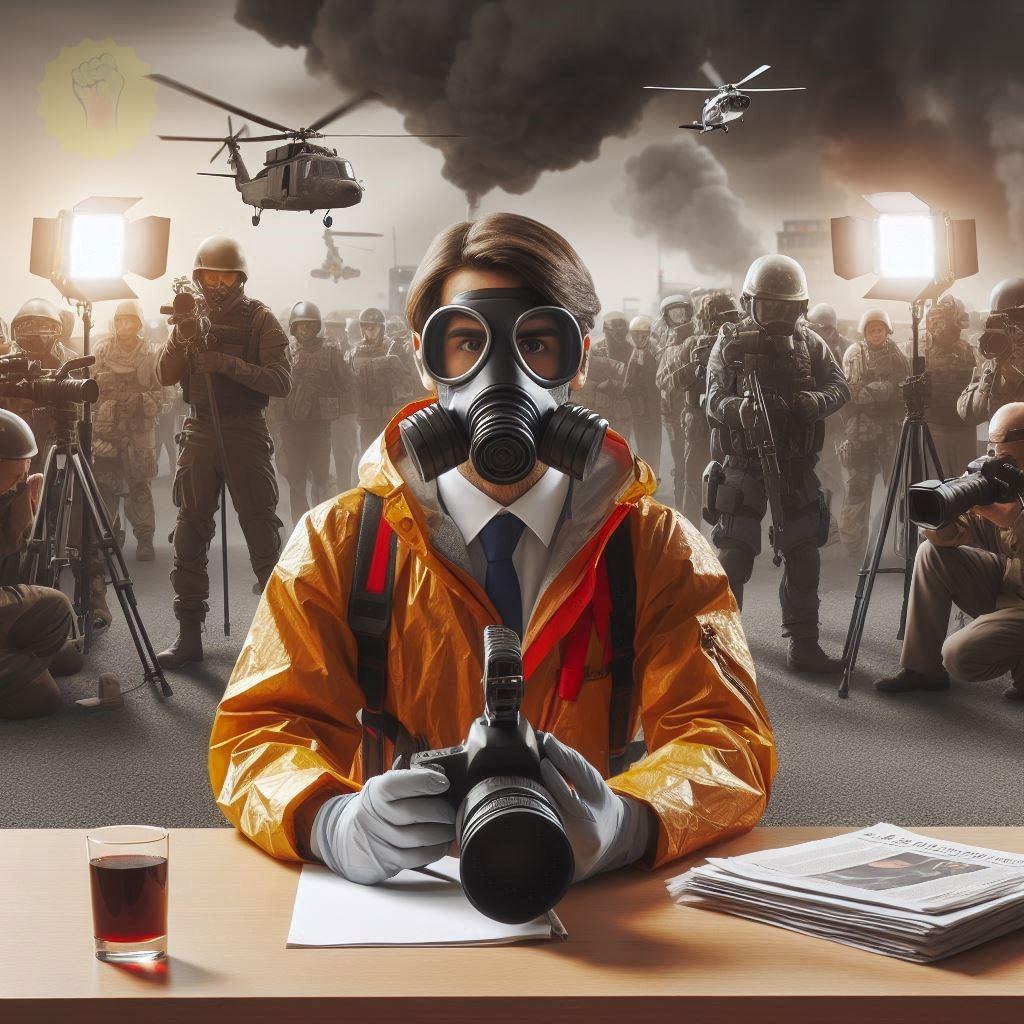
  • The Role of Reporters in Crisis Situations !

    Reporters play a vital role in informing the public during crises, including natural disasters, pandemics, and other emergencies. Their work is essential for ensuring that communities have access to accurate and timely information, which can help save lives and promote safety. Here’s how reporters navigate these challenging situations and some noteworthy case studies that highlight their impact.
    Navigating Crisis Situations
    1. Gathering Information: In crisis situations, the primary task of reporters is to gather accurate information from various sources. This includes interviewing officials, first responders, and affected individuals, as well as monitoring social media and official announcements. Quick access to reliable information is crucial for reporting effectively.
    2. Verification and Fact-Checking: In the chaos of a crisis, misinformation can spread rapidly. Reporters must employ rigorous fact-checking processes to verify the information before disseminating it to the public. This involves cross-referencing data from multiple sources and being cautious about unverified claims.
    3. Prioritizing Public Safety: Reporters must prioritize the safety of the public in their coverage. This means providing information that can help individuals make informed decisions, such as evacuation routes during a natural disaster or safety precautions during a pandemic. Clear and concise communication is essential to avoid confusion and panic.
    4. Emotional Sensitivity: Reporting during a crisis requires a deep understanding of the emotional toll on affected individuals and communities. Reporters must approach sensitive topics with empathy, recognizing that people may be dealing with trauma, loss, and uncertainty. This sensitivity can help build trust with the community and enhance the quality of reporting.
    5. Adapting to Changing Circumstances: Crises can evolve rapidly, and reporters must be flexible and adaptive in their coverage. They may need to change their reporting focus as new information emerges, ensuring that they remain relevant and provide the most current updates to the audience.
    Case Studies of Effective Crisis Reporting
    1. Hurricane Katrina (2005): During Hurricane Katrina, many reporters faced significant challenges in covering the devastation caused by the storm. Notably, journalists from the Associated Press and CNN provided continuous coverage, showcasing the plight of displaced residents and the inadequacies of the government response. Their reports helped raise awareness and prompted a national conversation about disaster preparedness and response.
    ○ Lessons Learned: The importance of on-the-ground reporting and the need for journalists to act as advocates for the affected communities became clear. The coverage also highlighted the need for better communication and coordination among news organizations during emergencies.
    2. COVID-19 Pandemic: The COVID-19 pandemic presented unique challenges for reporters, who had to balance public health concerns with the need to deliver timely news. Journalists from outlets like The New York Times and NPR provided essential information about virus transmission, safety guidelines, and vaccine developments. They utilized data journalism to present complex information in understandable formats.
    ○ Lessons Learned: The pandemic underscored the importance of clear communication and transparency in reporting. It also highlighted the role of journalists in combating misinformation, as many worked tirelessly to fact-check claims related to the virus and vaccines.
    3. Wildfires in California (2020): During the devastating wildfires in California, reporters worked around the clock to cover the fires' impact on communities and the environment. Journalists provided real-time updates on evacuation orders, air quality, and the status of firefighting efforts. Outlets like ABC News and local stations utilized social media to keep the public informed.
    ○ Lessons Learned: The need for immediate and reliable updates in fast-moving situations was evident. Journalists also learned the value of community engagement, as many reporters collaborated with local organizations to ensure that marginalized voices were included in the coverage.

    #Bharat Aawaz
    The Role of Reporters in Crisis Situations ! Reporters play a vital role in informing the public during crises, including natural disasters, pandemics, and other emergencies. Their work is essential for ensuring that communities have access to accurate and timely information, which can help save lives and promote safety. Here’s how reporters navigate these challenging situations and some noteworthy case studies that highlight their impact. Navigating Crisis Situations 1. Gathering Information: In crisis situations, the primary task of reporters is to gather accurate information from various sources. This includes interviewing officials, first responders, and affected individuals, as well as monitoring social media and official announcements. Quick access to reliable information is crucial for reporting effectively. 2. Verification and Fact-Checking: In the chaos of a crisis, misinformation can spread rapidly. Reporters must employ rigorous fact-checking processes to verify the information before disseminating it to the public. This involves cross-referencing data from multiple sources and being cautious about unverified claims. 3. Prioritizing Public Safety: Reporters must prioritize the safety of the public in their coverage. This means providing information that can help individuals make informed decisions, such as evacuation routes during a natural disaster or safety precautions during a pandemic. Clear and concise communication is essential to avoid confusion and panic. 4. Emotional Sensitivity: Reporting during a crisis requires a deep understanding of the emotional toll on affected individuals and communities. Reporters must approach sensitive topics with empathy, recognizing that people may be dealing with trauma, loss, and uncertainty. This sensitivity can help build trust with the community and enhance the quality of reporting. 5. Adapting to Changing Circumstances: Crises can evolve rapidly, and reporters must be flexible and adaptive in their coverage. They may need to change their reporting focus as new information emerges, ensuring that they remain relevant and provide the most current updates to the audience. Case Studies of Effective Crisis Reporting 1. Hurricane Katrina (2005): During Hurricane Katrina, many reporters faced significant challenges in covering the devastation caused by the storm. Notably, journalists from the Associated Press and CNN provided continuous coverage, showcasing the plight of displaced residents and the inadequacies of the government response. Their reports helped raise awareness and prompted a national conversation about disaster preparedness and response. ○ Lessons Learned: The importance of on-the-ground reporting and the need for journalists to act as advocates for the affected communities became clear. The coverage also highlighted the need for better communication and coordination among news organizations during emergencies. 2. COVID-19 Pandemic: The COVID-19 pandemic presented unique challenges for reporters, who had to balance public health concerns with the need to deliver timely news. Journalists from outlets like The New York Times and NPR provided essential information about virus transmission, safety guidelines, and vaccine developments. They utilized data journalism to present complex information in understandable formats. ○ Lessons Learned: The pandemic underscored the importance of clear communication and transparency in reporting. It also highlighted the role of journalists in combating misinformation, as many worked tirelessly to fact-check claims related to the virus and vaccines. 3. Wildfires in California (2020): During the devastating wildfires in California, reporters worked around the clock to cover the fires' impact on communities and the environment. Journalists provided real-time updates on evacuation orders, air quality, and the status of firefighting efforts. Outlets like ABC News and local stations utilized social media to keep the public informed. ○ Lessons Learned: The need for immediate and reliable updates in fast-moving situations was evident. Journalists also learned the value of community engagement, as many reporters collaborated with local organizations to ensure that marginalized voices were included in the coverage. #Bharat Aawaz
    0 Comments 0 Shares 1K Views 0 Reviews
Bharat Aawaz | BMA | IINNSIDE https://ba.bharataawaz.com