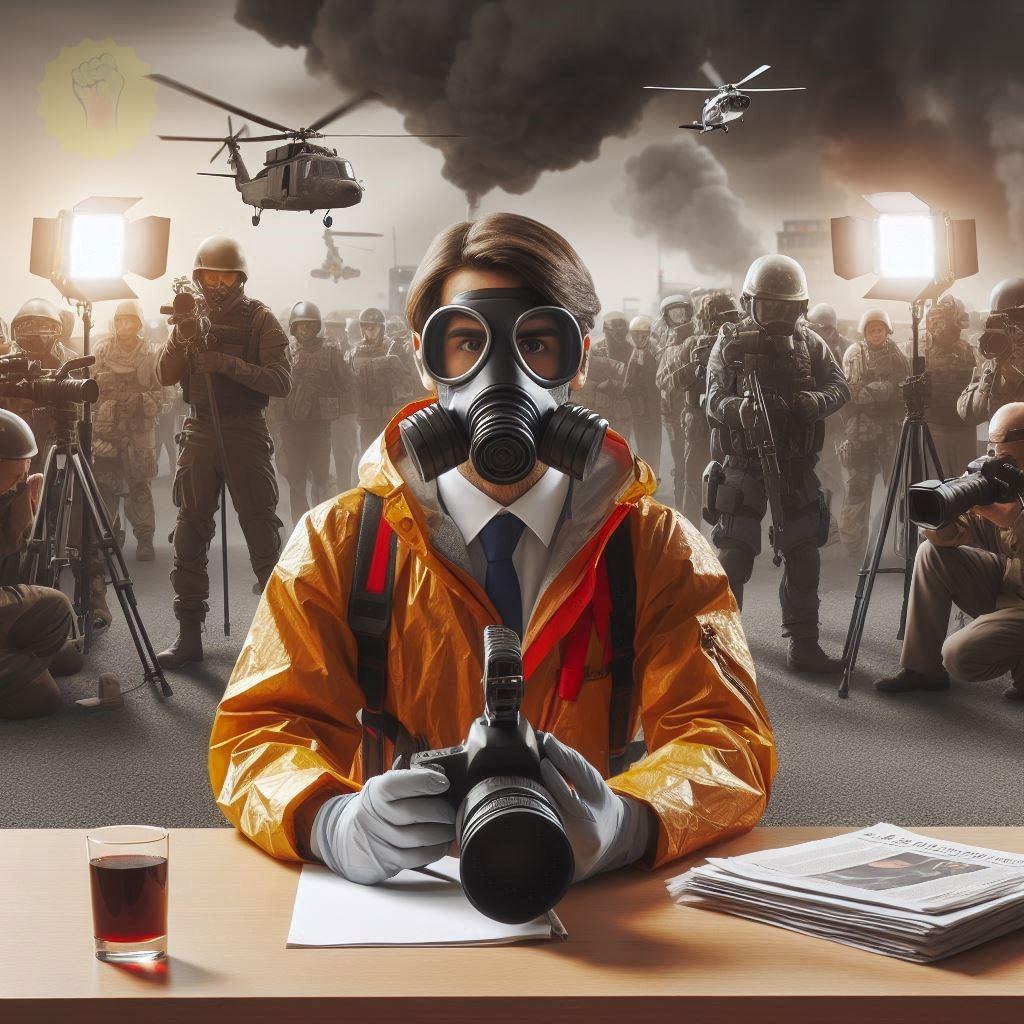
The Role of Reporters in Crisis Situations !
Reporters play a vital role in informing the public during crises, including natural disasters, pandemics, and other emergencies. Their work is essential for ensuring that communities have access to accurate and timely information, which can help save lives and promote safety. Here’s how reporters navigate these challenging situations and some noteworthy case studies that highlight their impact.
Navigating Crisis Situations
1. Gathering Information: In crisis situations, the primary task of reporters is to gather accurate information from various sources. This includes interviewing officials, first responders, and affected individuals, as well as monitoring social media and official announcements. Quick access to reliable information is crucial for reporting effectively.
2. Verification and Fact-Checking: In the chaos of a crisis, misinformation can spread rapidly. Reporters must employ rigorous fact-checking processes to verify the information before disseminating it to the public. This involves cross-referencing data from multiple sources and being cautious about unverified claims.
3. Prioritizing Public Safety: Reporters must prioritize the safety of the public in their coverage. This means providing information that can help individuals make informed decisions, such as evacuation routes during a natural disaster or safety precautions during a pandemic. Clear and concise communication is essential to avoid confusion and panic.
4. Emotional Sensitivity: Reporting during a crisis requires a deep understanding of the emotional toll on affected individuals and communities. Reporters must approach sensitive topics with empathy, recognizing that people may be dealing with trauma, loss, and uncertainty. This sensitivity can help build trust with the community and enhance the quality of reporting.
5. Adapting to Changing Circumstances: Crises can evolve rapidly, and reporters must be flexible and adaptive in their coverage. They may need to change their reporting focus as new information emerges, ensuring that they remain relevant and provide the most current updates to the audience.
Case Studies of Effective Crisis Reporting
1. Hurricane Katrina (2005): During Hurricane Katrina, many reporters faced significant challenges in covering the devastation caused by the storm. Notably, journalists from the Associated Press and CNN provided continuous coverage, showcasing the plight of displaced residents and the inadequacies of the government response. Their reports helped raise awareness and prompted a national conversation about disaster preparedness and response.
○ Lessons Learned: The importance of on-the-ground reporting and the need for journalists to act as advocates for the affected communities became clear. The coverage also highlighted the need for better communication and coordination among news organizations during emergencies.
2. COVID-19 Pandemic: The COVID-19 pandemic presented unique challenges for reporters, who had to balance public health concerns with the need to deliver timely news. Journalists from outlets like The New York Times and NPR provided essential information about virus transmission, safety guidelines, and vaccine developments. They utilized data journalism to present complex information in understandable formats.
○ Lessons Learned: The pandemic underscored the importance of clear communication and transparency in reporting. It also highlighted the role of journalists in combating misinformation, as many worked tirelessly to fact-check claims related to the virus and vaccines.
3. Wildfires in California (2020): During the devastating wildfires in California, reporters worked around the clock to cover the fires' impact on communities and the environment. Journalists provided real-time updates on evacuation orders, air quality, and the status of firefighting efforts. Outlets like ABC News and local stations utilized social media to keep the public informed.
○ Lessons Learned: The need for immediate and reliable updates in fast-moving situations was evident. Journalists also learned the value of community engagement, as many reporters collaborated with local organizations to ensure that marginalized voices were included in the coverage.
#Bharat Aawaz
The Role of Reporters in Crisis Situations !
Reporters play a vital role in informing the public during crises, including natural disasters, pandemics, and other emergencies. Their work is essential for ensuring that communities have access to accurate and timely information, which can help save lives and promote safety. Here’s how reporters navigate these challenging situations and some noteworthy case studies that highlight their impact.
Navigating Crisis Situations
1. Gathering Information: In crisis situations, the primary task of reporters is to gather accurate information from various sources. This includes interviewing officials, first responders, and affected individuals, as well as monitoring social media and official announcements. Quick access to reliable information is crucial for reporting effectively.
2. Verification and Fact-Checking: In the chaos of a crisis, misinformation can spread rapidly. Reporters must employ rigorous fact-checking processes to verify the information before disseminating it to the public. This involves cross-referencing data from multiple sources and being cautious about unverified claims.
3. Prioritizing Public Safety: Reporters must prioritize the safety of the public in their coverage. This means providing information that can help individuals make informed decisions, such as evacuation routes during a natural disaster or safety precautions during a pandemic. Clear and concise communication is essential to avoid confusion and panic.
4. Emotional Sensitivity: Reporting during a crisis requires a deep understanding of the emotional toll on affected individuals and communities. Reporters must approach sensitive topics with empathy, recognizing that people may be dealing with trauma, loss, and uncertainty. This sensitivity can help build trust with the community and enhance the quality of reporting.
5. Adapting to Changing Circumstances: Crises can evolve rapidly, and reporters must be flexible and adaptive in their coverage. They may need to change their reporting focus as new information emerges, ensuring that they remain relevant and provide the most current updates to the audience.
Case Studies of Effective Crisis Reporting
1. Hurricane Katrina (2005): During Hurricane Katrina, many reporters faced significant challenges in covering the devastation caused by the storm. Notably, journalists from the Associated Press and CNN provided continuous coverage, showcasing the plight of displaced residents and the inadequacies of the government response. Their reports helped raise awareness and prompted a national conversation about disaster preparedness and response.
○ Lessons Learned: The importance of on-the-ground reporting and the need for journalists to act as advocates for the affected communities became clear. The coverage also highlighted the need for better communication and coordination among news organizations during emergencies.
2. COVID-19 Pandemic: The COVID-19 pandemic presented unique challenges for reporters, who had to balance public health concerns with the need to deliver timely news. Journalists from outlets like The New York Times and NPR provided essential information about virus transmission, safety guidelines, and vaccine developments. They utilized data journalism to present complex information in understandable formats.
○ Lessons Learned: The pandemic underscored the importance of clear communication and transparency in reporting. It also highlighted the role of journalists in combating misinformation, as many worked tirelessly to fact-check claims related to the virus and vaccines.
3. Wildfires in California (2020): During the devastating wildfires in California, reporters worked around the clock to cover the fires' impact on communities and the environment. Journalists provided real-time updates on evacuation orders, air quality, and the status of firefighting efforts. Outlets like ABC News and local stations utilized social media to keep the public informed.
○ Lessons Learned: The need for immediate and reliable updates in fast-moving situations was evident. Journalists also learned the value of community engagement, as many reporters collaborated with local organizations to ensure that marginalized voices were included in the coverage.
#Bharat Aawaz




 Chat & Connect
 ABOUT BMA
 Bharat Aawaz