• Hyderabad: Balapur Police raid Salami Industries, uncover unhygienic meat storage. Goat heads and waste seized, case registered over public health risks.
    @S.Azhar Alam
    #Hyderabad #FoodSafety #BreakingNews
    Hyderabad: Balapur Police raid Salami Industries, uncover unhygienic meat storage. Goat heads and waste seized, case registered over public health risks. @S.Azhar Alam #Hyderabad #FoodSafety #BreakingNews
    0 Comments 0 Shares 4K Views 0 Reviews
  • 🚨 Food Safety Crackdown in Secunderabad!
    The Greater Hyderabad Municipal Corporation conducted intensive inspections of hotels and food outlets in Secunderabad Zone.
    Violations Found:
    • Poor hygiene
    • Expired food items
    • Improper records
    • Unauthorised food colours
    Notices issued to two establishments.
    GHMC warns of strict legal action against those compromising public health.
    @S.Azhar Alam
    #GHMC #Hyderabad #FoodSafety #Secunderabad #PublicHealth
    🚨 Food Safety Crackdown in Secunderabad! The Greater Hyderabad Municipal Corporation conducted intensive inspections of hotels and food outlets in Secunderabad Zone. Violations Found: • Poor hygiene • Expired food items • Improper records • Unauthorised food colours Notices issued to two establishments. GHMC warns of strict legal action against those compromising public health. @S.Azhar Alam #GHMC #Hyderabad #FoodSafety #Secunderabad #PublicHealth
    Like
    1
    0 Comments 0 Shares 2K Views 0 Reviews
  • 🔴 Hyderabad: Substandard Vermicelli Unit Busted in Jiyaguda, One Arrested
    Task Force sleuths, along with Kulsumpura police, on Saturday (February 28) raided a warehouse in Jiyaguda and arrested one person for allegedly manufacturing substandard fenia/phenia (vermicelli). Materials worth ₹3.98 lakh were seized during the operation.
    The accused has been identified as Dhanraj Puri, 36, who was operating a warehouse named JB Foods near the double bedroom apartments in Jiyaguda.
    🧾 Seized Items:
    Multiple boxes of substandard vermicelli
    Bags of refined flour
    Vanaspati ghee
    One dough mixer machine
    Two weighing machines
    19 gas cylinders
    According to police, the accused was allegedly preparing vermicelli using low-quality ingredients in unhygienic conditions without adhering to Food Safety and Standards Authority of India (FSSAI) norms.
    The adulterated product was reportedly being supplied to local shops, posing a serious risk to public health.
    A case has been registered under Sections 318(4) (cheating) and 275 (sale of noxious food or drink) of the Bharatiya Nyaya Sanhita at Kulsumpura Police Station.
    #telangana #hyderabad #Jiyaguda #kulsumpura #policestation
    @S.AzharAlam
    🔴 Hyderabad: Substandard Vermicelli Unit Busted in Jiyaguda, One Arrested Task Force sleuths, along with Kulsumpura police, on Saturday (February 28) raided a warehouse in Jiyaguda and arrested one person for allegedly manufacturing substandard fenia/phenia (vermicelli). Materials worth ₹3.98 lakh were seized during the operation. The accused has been identified as Dhanraj Puri, 36, who was operating a warehouse named JB Foods near the double bedroom apartments in Jiyaguda. 🧾 Seized Items: Multiple boxes of substandard vermicelli Bags of refined flour Vanaspati ghee One dough mixer machine Two weighing machines 19 gas cylinders According to police, the accused was allegedly preparing vermicelli using low-quality ingredients in unhygienic conditions without adhering to Food Safety and Standards Authority of India (FSSAI) norms. The adulterated product was reportedly being supplied to local shops, posing a serious risk to public health. A case has been registered under Sections 318(4) (cheating) and 275 (sale of noxious food or drink) of the Bharatiya Nyaya Sanhita at Kulsumpura Police Station. #telangana #hyderabad #Jiyaguda #kulsumpura #policestation @S.AzharAlam
    1 Comments 0 Shares 1K Views 0 Reviews
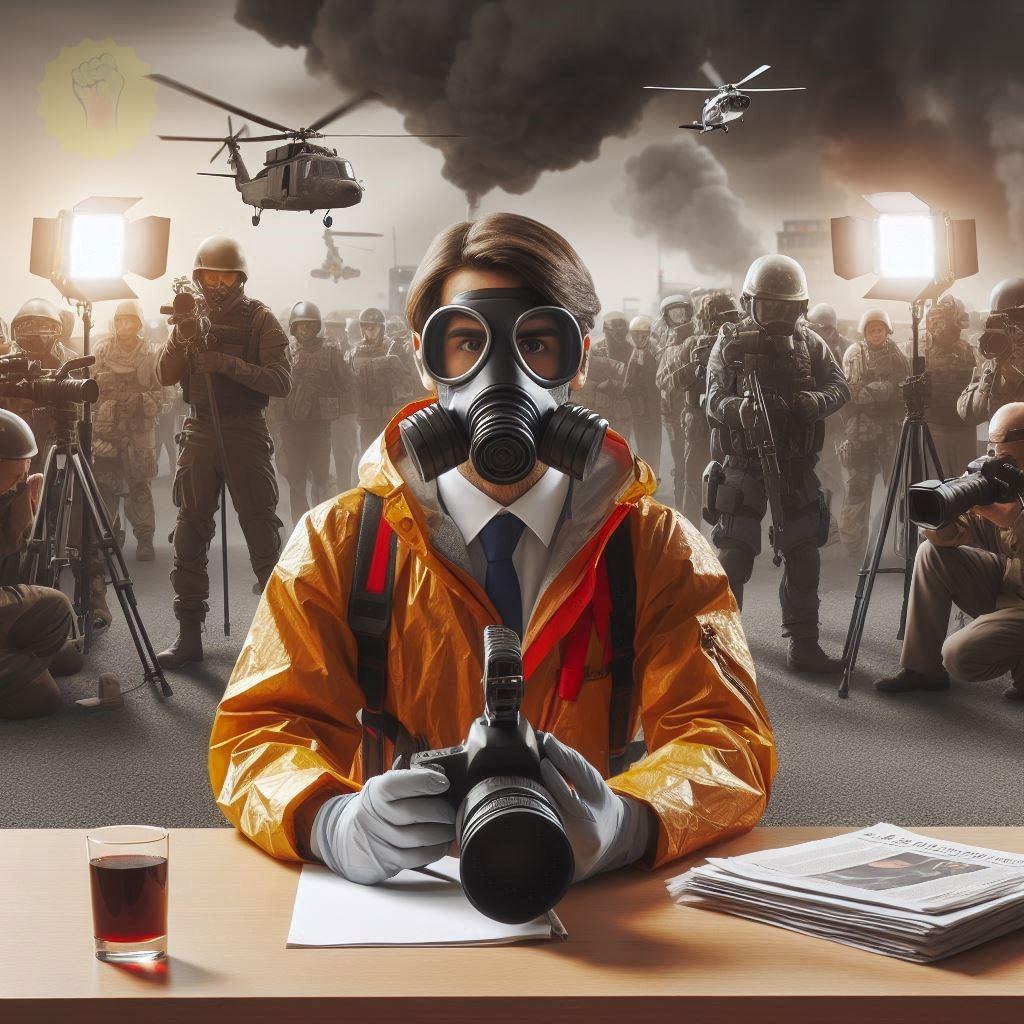
  • The Role of Reporters in Crisis Situations !

    Reporters play a vital role in informing the public during crises, including natural disasters, pandemics, and other emergencies. Their work is essential for ensuring that communities have access to accurate and timely information, which can help save lives and promote safety. Here’s how reporters navigate these challenging situations and some noteworthy case studies that highlight their impact.
    Navigating Crisis Situations
    1. Gathering Information: In crisis situations, the primary task of reporters is to gather accurate information from various sources. This includes interviewing officials, first responders, and affected individuals, as well as monitoring social media and official announcements. Quick access to reliable information is crucial for reporting effectively.
    2. Verification and Fact-Checking: In the chaos of a crisis, misinformation can spread rapidly. Reporters must employ rigorous fact-checking processes to verify the information before disseminating it to the public. This involves cross-referencing data from multiple sources and being cautious about unverified claims.
    3. Prioritizing Public Safety: Reporters must prioritize the safety of the public in their coverage. This means providing information that can help individuals make informed decisions, such as evacuation routes during a natural disaster or safety precautions during a pandemic. Clear and concise communication is essential to avoid confusion and panic.
    4. Emotional Sensitivity: Reporting during a crisis requires a deep understanding of the emotional toll on affected individuals and communities. Reporters must approach sensitive topics with empathy, recognizing that people may be dealing with trauma, loss, and uncertainty. This sensitivity can help build trust with the community and enhance the quality of reporting.
    5. Adapting to Changing Circumstances: Crises can evolve rapidly, and reporters must be flexible and adaptive in their coverage. They may need to change their reporting focus as new information emerges, ensuring that they remain relevant and provide the most current updates to the audience.
    Case Studies of Effective Crisis Reporting
    1. Hurricane Katrina (2005): During Hurricane Katrina, many reporters faced significant challenges in covering the devastation caused by the storm. Notably, journalists from the Associated Press and CNN provided continuous coverage, showcasing the plight of displaced residents and the inadequacies of the government response. Their reports helped raise awareness and prompted a national conversation about disaster preparedness and response.
    ○ Lessons Learned: The importance of on-the-ground reporting and the need for journalists to act as advocates for the affected communities became clear. The coverage also highlighted the need for better communication and coordination among news organizations during emergencies.
    2. COVID-19 Pandemic: The COVID-19 pandemic presented unique challenges for reporters, who had to balance public health concerns with the need to deliver timely news. Journalists from outlets like The New York Times and NPR provided essential information about virus transmission, safety guidelines, and vaccine developments. They utilized data journalism to present complex information in understandable formats.
    ○ Lessons Learned: The pandemic underscored the importance of clear communication and transparency in reporting. It also highlighted the role of journalists in combating misinformation, as many worked tirelessly to fact-check claims related to the virus and vaccines.
    3. Wildfires in California (2020): During the devastating wildfires in California, reporters worked around the clock to cover the fires' impact on communities and the environment. Journalists provided real-time updates on evacuation orders, air quality, and the status of firefighting efforts. Outlets like ABC News and local stations utilized social media to keep the public informed.
    ○ Lessons Learned: The need for immediate and reliable updates in fast-moving situations was evident. Journalists also learned the value of community engagement, as many reporters collaborated with local organizations to ensure that marginalized voices were included in the coverage.

    #Bharat Aawaz

    The Role of Reporters in Crisis Situations ! Reporters play a vital role in informing the public during crises, including natural disasters, pandemics, and other emergencies. Their work is essential for ensuring that communities have access to accurate and timely information, which can help save lives and promote safety. Here’s how reporters navigate these challenging situations and some noteworthy case studies that highlight their impact. Navigating Crisis Situations 1. Gathering Information: In crisis situations, the primary task of reporters is to gather accurate information from various sources. This includes interviewing officials, first responders, and affected individuals, as well as monitoring social media and official announcements. Quick access to reliable information is crucial for reporting effectively. 2. Verification and Fact-Checking: In the chaos of a crisis, misinformation can spread rapidly. Reporters must employ rigorous fact-checking processes to verify the information before disseminating it to the public. This involves cross-referencing data from multiple sources and being cautious about unverified claims. 3. Prioritizing Public Safety: Reporters must prioritize the safety of the public in their coverage. This means providing information that can help individuals make informed decisions, such as evacuation routes during a natural disaster or safety precautions during a pandemic. Clear and concise communication is essential to avoid confusion and panic. 4. Emotional Sensitivity: Reporting during a crisis requires a deep understanding of the emotional toll on affected individuals and communities. Reporters must approach sensitive topics with empathy, recognizing that people may be dealing with trauma, loss, and uncertainty. This sensitivity can help build trust with the community and enhance the quality of reporting. 5. Adapting to Changing Circumstances: Crises can evolve rapidly, and reporters must be flexible and adaptive in their coverage. They may need to change their reporting focus as new information emerges, ensuring that they remain relevant and provide the most current updates to the audience. Case Studies of Effective Crisis Reporting 1. Hurricane Katrina (2005): During Hurricane Katrina, many reporters faced significant challenges in covering the devastation caused by the storm. Notably, journalists from the Associated Press and CNN provided continuous coverage, showcasing the plight of displaced residents and the inadequacies of the government response. Their reports helped raise awareness and prompted a national conversation about disaster preparedness and response. ○ Lessons Learned: The importance of on-the-ground reporting and the need for journalists to act as advocates for the affected communities became clear. The coverage also highlighted the need for better communication and coordination among news organizations during emergencies. 2. COVID-19 Pandemic: The COVID-19 pandemic presented unique challenges for reporters, who had to balance public health concerns with the need to deliver timely news. Journalists from outlets like The New York Times and NPR provided essential information about virus transmission, safety guidelines, and vaccine developments. They utilized data journalism to present complex information in understandable formats. ○ Lessons Learned: The pandemic underscored the importance of clear communication and transparency in reporting. It also highlighted the role of journalists in combating misinformation, as many worked tirelessly to fact-check claims related to the virus and vaccines. 3. Wildfires in California (2020): During the devastating wildfires in California, reporters worked around the clock to cover the fires' impact on communities and the environment. Journalists provided real-time updates on evacuation orders, air quality, and the status of firefighting efforts. Outlets like ABC News and local stations utilized social media to keep the public informed. ○ Lessons Learned: The need for immediate and reliable updates in fast-moving situations was evident. Journalists also learned the value of community engagement, as many reporters collaborated with local organizations to ensure that marginalized voices were included in the coverage. #Bharat Aawaz

    0 Comments 0 Shares 2K Views 0 Reviews
  • Digital Journalism and New Media Trends!
    Adapting to the Digital Age!

    About the importance of digital skills in modern journalism and how reporters can leverage social media and other platforms for storytelling.
    With the advent of the digital age, the way information is disseminated and the style of communication have changed dramatically. Journalists now have the opportunity to share their stories not just through traditional newspapers or television, but also across online platforms. This shift has made digital skills essential.
    • Using Social Media: Reporters can use social media platforms like Facebook, Twitter, and Instagram to share their stories. These platforms keep them engaged with ongoing events both locally and globally. Through social media, they can gather public opinions, receive responses, and add more dimensions to their narratives.
    Example: When a reporter is writing a story about a recent event, they can invite readers to share their experiences or opinions via WhatsApp or Instagram. This enriches the story and fosters a deeper connection with the audience.
    • Content Creation: By creating digital content such as videos, podcasts, and interactive graphics, they can make a unique presentation. These methods of digital media make stories more engaging and easier for the audience to understand.
    Using Data in Journalism
    Guide your reporters on how to use data analytics and statistics to back up their stories, making their reports more credible.
    Data-driven journalism has become a significant aspect of modern journalism. Using data to understand various societal issues and uncover insights is a method for grounding stories and information reports in credibility.
    • Data Collection: Reporters can enhance their narratives by collecting data from multiple sources and identifying necessary statistics, which makes their stories stronger and more trustworthy.
    Example: When writing a story about an education system, a reporter could gather statistics on student passing rates, school resources, and government funding, analyzing this information to include in their report.
    • Analysis: By analyzing the collected data, reporters can gain a clear perspective. They can provide a comprehensive story by considering similar statistics, patterns, and trends.
    Example: When writing about an environmental issue, a reporter can use data showing pollution levels and their impact on public health to make a compelling case.
    #Bharat Aawaz
    Digital Journalism and New Media Trends! Adapting to the Digital Age! About the importance of digital skills in modern journalism and how reporters can leverage social media and other platforms for storytelling. With the advent of the digital age, the way information is disseminated and the style of communication have changed dramatically. Journalists now have the opportunity to share their stories not just through traditional newspapers or television, but also across online platforms. This shift has made digital skills essential. • Using Social Media: Reporters can use social media platforms like Facebook, Twitter, and Instagram to share their stories. These platforms keep them engaged with ongoing events both locally and globally. Through social media, they can gather public opinions, receive responses, and add more dimensions to their narratives. Example: When a reporter is writing a story about a recent event, they can invite readers to share their experiences or opinions via WhatsApp or Instagram. This enriches the story and fosters a deeper connection with the audience. • Content Creation: By creating digital content such as videos, podcasts, and interactive graphics, they can make a unique presentation. These methods of digital media make stories more engaging and easier for the audience to understand. Using Data in Journalism Guide your reporters on how to use data analytics and statistics to back up their stories, making their reports more credible. Data-driven journalism has become a significant aspect of modern journalism. Using data to understand various societal issues and uncover insights is a method for grounding stories and information reports in credibility. • Data Collection: Reporters can enhance their narratives by collecting data from multiple sources and identifying necessary statistics, which makes their stories stronger and more trustworthy. Example: When writing a story about an education system, a reporter could gather statistics on student passing rates, school resources, and government funding, analyzing this information to include in their report. • Analysis: By analyzing the collected data, reporters can gain a clear perspective. They can provide a comprehensive story by considering similar statistics, patterns, and trends. Example: When writing about an environmental issue, a reporter can use data showing pollution levels and their impact on public health to make a compelling case. #Bharat Aawaz
    0 Comments 0 Shares 2K Views 0 Reviews
Bharat Aawaz | BMA https://ba.bharataawaz.com