


• The Voice Listens

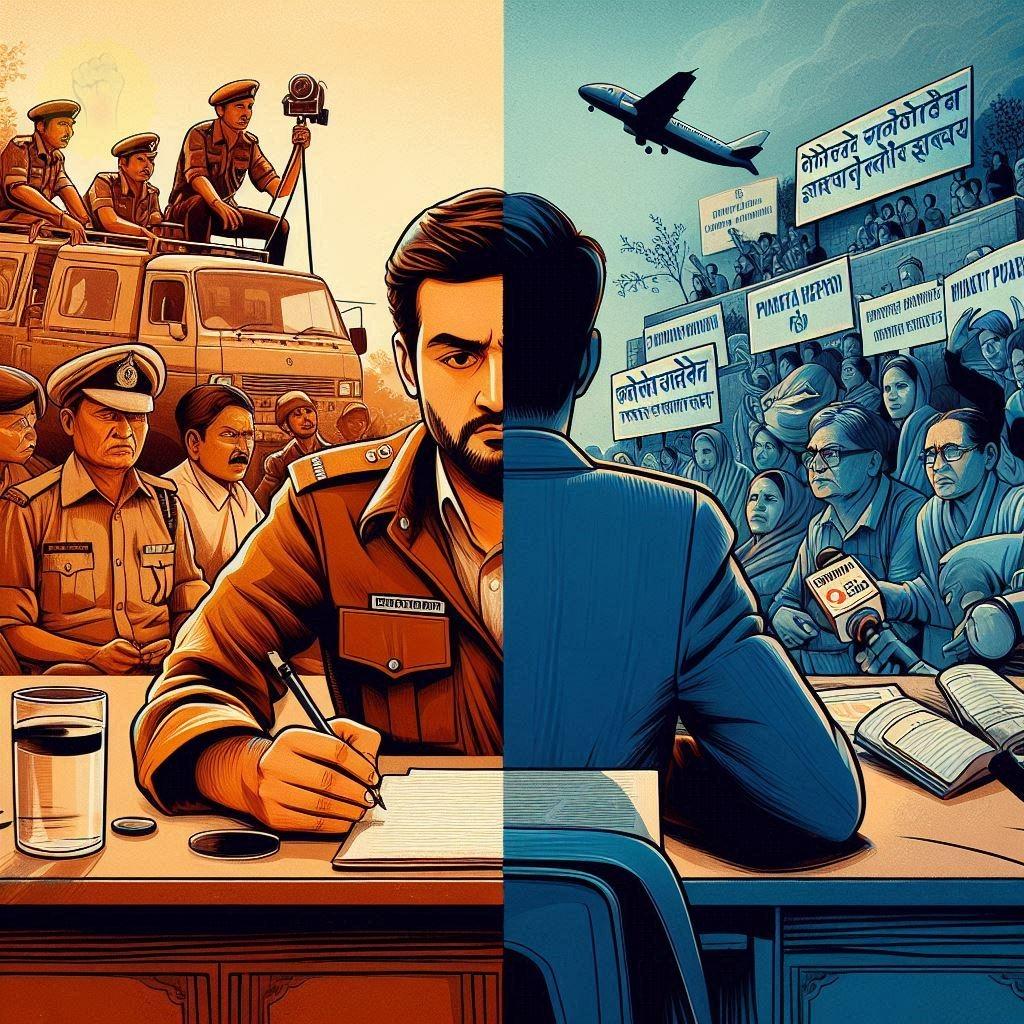
    Anjali clutched her journalism degree like a shield that had failed her. In the gleaming, high-decibel newsrooms of Delhi where she had interned, truth was a commodity, traded for ratings and shaped by the highest bidder. Stories that mattered were buried under an avalanche of celebrity gossip and political shouting matches. The fire that had propelled her through college was dwindling to a flicker of disillusionment. Was this it? Was the voice of the nation just the loudest echo in a closed chamber?

    One night, scrolling aimlessly through the digital noise, a simple, stark headline caught her eye. It wasn't from a major outlet. The website was minimalist, almost plain. The logo was a simple, powerful Devanagari script: भारत आवाज़ (Bharat Aawaz). The tagline read: Can You Be the Voice of the Poor, Deprived, and Depressed?

    The story was about a community of weavers in rural Bihar whose livelihood was being decimated by a new industrial policy. It was told not through the lens of an expert in a studio, but through the raw, unfiltered words of the weavers themselves. There was no sensationalism, only a quiet, profound dignity in their struggle. Anjali spent the next hour devouring every article on the site. These were stories from the heart of the country, from the places the cameras never went. This was journalism as a service, not a spectacle.

    With a surge of purpose she hadn't felt in months, she found their contact information—a simple WhatsApp number. She typed out a message, her heart pounding. "I want to be a voice," she wrote. "I want to join."

    The reply came from a man named Prakash, the founder and editor. Bharat Aawaz, he explained, wasn't a company; it was a mission. They had no fancy office, just a network of a few dedicated reporters and citizen journalists, connected by their shared belief that the real stories of India were not in its boardrooms, but in its villages, its fields, and its slums.

    Her first assignment was a whisper of a lead from a remote tribal hamlet in the hills of Jharkhand, a place called Pathargarh. The official story was that the village was being "relocated" for a new dam project, a symbol of progress. The whisper said otherwise.

    When Anjali arrived, the air was thick with fear. The villagers, proud and ancient, were being treated like ghosts on their own land. Men in uniforms patrolled their fields, and the promises of compensation and new homes were hollow words that dissolved in the monsoon air. For days, no one would speak to her. To them, she was just another outsider with a notebook, another tourist of their tragedy.

    Remembering Prakash's advice—"Don't be a reporter, be a listener"—she put her notebook away. She helped an elderly woman draw water from the well. She sat with the children and listened to their songs. She shared the simple meals offered to her, learning the names of the trees, the hills, and the spirits that resided in them.

    Slowly, the stories came. Not as interviews, but as conversations. They spoke of sacred groves that would be submerged, of ancestral lands sold through forged documents, of a future where their identity would be washed away. An old chieftain, his eyes holding the wisdom of generations, finally showed her a tattered, hidden file. It contained original land deeds, proof that the land was theirs, a truth the authorities claimed did not exist.

    As she documented the evidence, the pressure mounted. Her tires were slashed. A local official warned her to leave for her own safety. The human in her was terrified. But the journalist in her, the voice she had promised to be, knew this was the story. This was the moment of choice: to be a chronicler of their defeat, or a channel for their fight.

    She sent her findings to Prakash. Bharat Aawaz didn't just publish an article. They started a movement. They used the villagers' own words, their photos, their songs. The headline was simple: "Pathargarh Has a Voice. Are You Listening?"

    The story, amplified on social media, broke through the national media's bubble of indifference. It was shared by students, activists, and then, by more prominent journalists who had been shamed into paying attention. The hashtag #AawazForPathargarh began to trend. The raw truth of the villagers' testimony was more powerful than any polished corporate press release.

    Weeks later, a team of human rights lawyers, alerted by the story, arrived in Pathargarh. A national commission launched an inquiry. The dam project was halted, pending a review of the land claims.

    Anjali stood on a hill overlooking the village, not as a reporter who had "broken" a story, but as a link in a chain of truth. The victory wasn't hers; it belonged to the people of Pathargarh who had dared to speak. Bharat Aawaz hadn't given them a voice; it had simply passed them the microphone, ensuring the whole country could hear the song they were already singing. The flicker of disillusionment she once felt had been forged in the fire of Pathargarh's struggle into an unshakeable flame. She finally understood. To be the voice of Bharat, you first had to learn how to listen.

    The Voice Listens Anjali clutched her journalism degree like a shield that had failed her. In the gleaming, high-decibel newsrooms of Delhi where she had interned, truth was a commodity, traded for ratings and shaped by the highest bidder. Stories that mattered were buried under an avalanche of celebrity gossip and political shouting matches. The fire that had propelled her through college was dwindling to a flicker of disillusionment. Was this it? Was the voice of the nation just the loudest echo in a closed chamber? One night, scrolling aimlessly through the digital noise, a simple, stark headline caught her eye. It wasn't from a major outlet. The website was minimalist, almost plain. The logo was a simple, powerful Devanagari script: भारत आवाज़ (Bharat Aawaz). The tagline read: Can You Be the Voice of the Poor, Deprived, and Depressed? The story was about a community of weavers in rural Bihar whose livelihood was being decimated by a new industrial policy. It was told not through the lens of an expert in a studio, but through the raw, unfiltered words of the weavers themselves. There was no sensationalism, only a quiet, profound dignity in their struggle. Anjali spent the next hour devouring every article on the site. These were stories from the heart of the country, from the places the cameras never went. This was journalism as a service, not a spectacle. With a surge of purpose she hadn't felt in months, she found their contact information—a simple WhatsApp number. She typed out a message, her heart pounding. "I want to be a voice," she wrote. "I want to join." The reply came from a man named Prakash, the founder and editor. Bharat Aawaz, he explained, wasn't a company; it was a mission. They had no fancy office, just a network of a few dedicated reporters and citizen journalists, connected by their shared belief that the real stories of India were not in its boardrooms, but in its villages, its fields, and its slums. Her first assignment was a whisper of a lead from a remote tribal hamlet in the hills of Jharkhand, a place called Pathargarh. The official story was that the village was being "relocated" for a new dam project, a symbol of progress. The whisper said otherwise. When Anjali arrived, the air was thick with fear. The villagers, proud and ancient, were being treated like ghosts on their own land. Men in uniforms patrolled their fields, and the promises of compensation and new homes were hollow words that dissolved in the monsoon air. For days, no one would speak to her. To them, she was just another outsider with a notebook, another tourist of their tragedy. Remembering Prakash's advice—"Don't be a reporter, be a listener"—she put her notebook away. She helped an elderly woman draw water from the well. She sat with the children and listened to their songs. She shared the simple meals offered to her, learning the names of the trees, the hills, and the spirits that resided in them. Slowly, the stories came. Not as interviews, but as conversations. They spoke of sacred groves that would be submerged, of ancestral lands sold through forged documents, of a future where their identity would be washed away. An old chieftain, his eyes holding the wisdom of generations, finally showed her a tattered, hidden file. It contained original land deeds, proof that the land was theirs, a truth the authorities claimed did not exist. As she documented the evidence, the pressure mounted. Her tires were slashed. A local official warned her to leave for her own safety. The human in her was terrified. But the journalist in her, the voice she had promised to be, knew this was the story. This was the moment of choice: to be a chronicler of their defeat, or a channel for their fight. She sent her findings to Prakash. Bharat Aawaz didn't just publish an article. They started a movement. They used the villagers' own words, their photos, their songs. The headline was simple: "Pathargarh Has a Voice. Are You Listening?" The story, amplified on social media, broke through the national media's bubble of indifference. It was shared by students, activists, and then, by more prominent journalists who had been shamed into paying attention. The hashtag #AawazForPathargarh began to trend. The raw truth of the villagers' testimony was more powerful than any polished corporate press release. Weeks later, a team of human rights lawyers, alerted by the story, arrived in Pathargarh. A national commission launched an inquiry. The dam project was halted, pending a review of the land claims. Anjali stood on a hill overlooking the village, not as a reporter who had "broken" a story, but as a link in a chain of truth. The victory wasn't hers; it belonged to the people of Pathargarh who had dared to speak. Bharat Aawaz hadn't given them a voice; it had simply passed them the microphone, ensuring the whole country could hear the song they were already singing. The flicker of disillusionment she once felt had been forged in the fire of Pathargarh's struggle into an unshakeable flame. She finally understood. To be the voice of Bharat, you first had to learn how to listen.
    0 Comments 0 Shares 8K Views 0 Reviews
  • Spread Human Rights Literacy Among Society and Promote Awareness of Safeguards available for the Protection or these Rights through Publications, the Media, Seminars and other available Means.
    Spread Human Rights Literacy Among Society and Promote Awareness of Safeguards available for the Protection or these Rights through Publications, the Media, Seminars and other available Means.
    Like
    1
    0 Comments 0 Shares 775 Views 0 Reviews
  • Human Rights Education
    Human Rights Education
    Like
    1
    0 Comments 0 Shares 1K Views 0 Reviews
  • Visit under intimation to the state government any jail or any other institution under the control of the state government, where persons are detained or lodged for purposes of treatment, reformation or protection to study the living conditions of the inmates and make suggestions there on.

    1. Study the safeguards provided by or under the constitution or any law for the time being inforce for the protection of human rights and suggest measures for their effective implementation.

    2. The factors, including acts of terrorism that inhibit the enjoyment of human rights and suggest appropriate remedial measures.

    3. Study treaties and other international instruments on human rights and make suggestions for their effective implementation.
    Visit under intimation to the state government any jail or any other institution under the control of the state government, where persons are detained or lodged for purposes of treatment, reformation or protection to study the living conditions of the inmates and make suggestions there on. 1. Study the safeguards provided by or under the constitution or any law for the time being inforce for the protection of human rights and suggest measures for their effective implementation. 2. The factors, including acts of terrorism that inhibit the enjoyment of human rights and suggest appropriate remedial measures. 3. Study treaties and other international instruments on human rights and make suggestions for their effective implementation.
    Like
    1
    0 Comments 0 Shares 1K Views 0 Reviews
  • Intervene in any proceeding involving any allegation of violation of human rights pending before a court with the permission of such court.
    Intervene in any proceeding involving any allegation of violation of human rights pending before a court with the permission of such court.
    Like
    1
    0 Comments 0 Shares 1K Views 0 Reviews
  • We can inquire, either on our own initiative (suo moto) or based on a petition from a victim or someone acting on their behalf, into complaints concerning:

    Violation of human rights or aiding and abetting such violations.
    Negligence by a public servant in preventing human rights violations.
    We can inquire, either on our own initiative (suo moto) or based on a petition from a victim or someone acting on their behalf, into complaints concerning: Violation of human rights or aiding and abetting such violations. Negligence by a public servant in preventing human rights violations.
    Like
    1
    0 Comments 0 Shares 1K Views 0 Reviews
  • Social Justice and Equality:

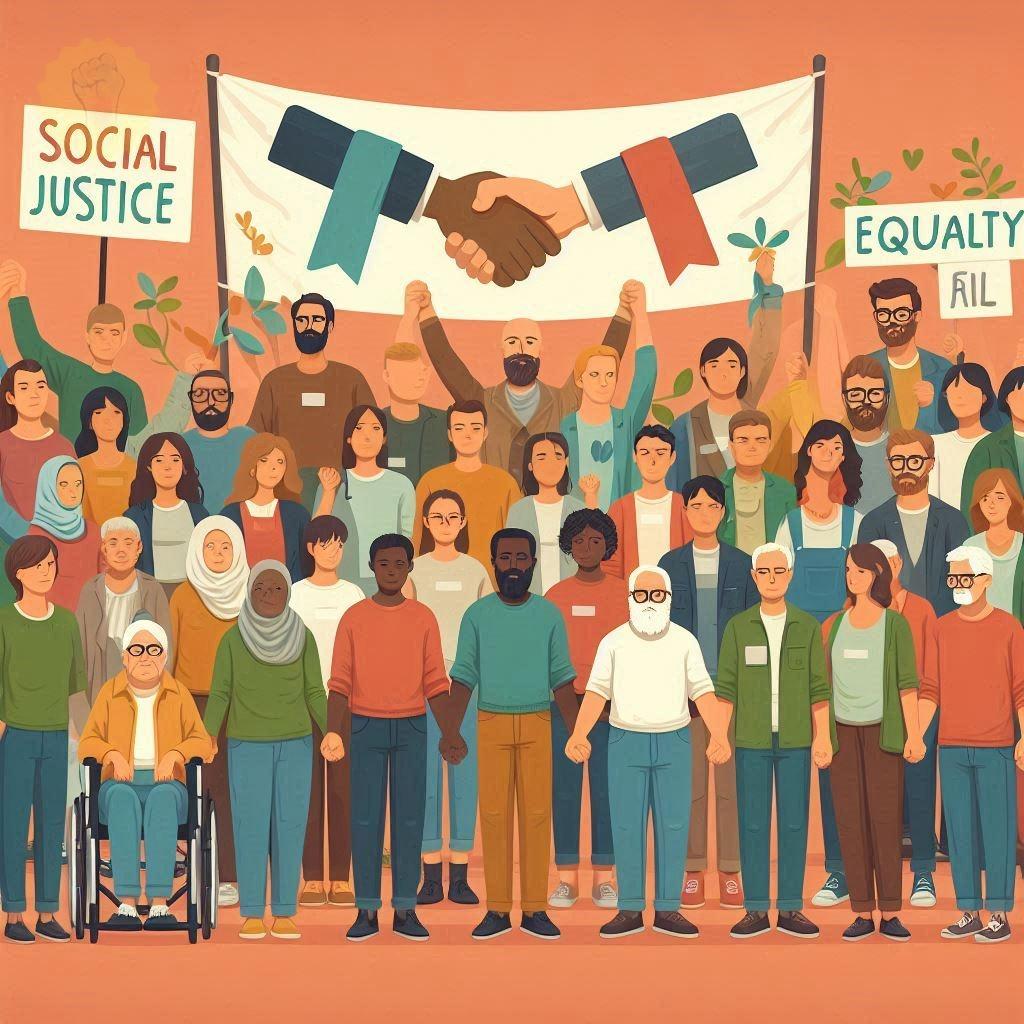
    "At Bharat Aawaz, we believe in a just and equal society." We recognize that a truly equitable society is one where everyone has the opportunity to thrive, regardless of their background, identity, or circumstances. Our dedicated team is passionate about bringing you powerful stories that shed light on critical issues of social justice, human rights, and equality, which are essential for fostering a fair and inclusive community.

    We delve into a wide range of topics, from grassroots movements that are championing the rights of marginalized groups to significant legal reforms aimed at dismantling systemic inequalities. These stories reflect the courage and determination of individuals and organizations who are fighting tirelessly for justice and advocating for the rights of those often overlooked in our society.

    At Bharat Aawaz, we believe in amplifying the voices of the marginalized, providing them with a platform to share their experiences, struggles, and triumphs. Through our coverage, we aim to educate our audience about the various facets of social justice, inspiring action and encouraging dialogue around these important issues.

    Our commitment to social justice is not just about reporting; it’s about advocacy and creating a movement for change. We invite you to join us in this crucial journey toward building a fairer world, where equality is not just a goal, but a lived reality for everyone.

    Together, we can challenge the status quo and work toward a society where everyone’s rights are respected and upheld. Your engagement, support, and awareness can make a difference.

    #BharatAawaz #SocialJustice #EqualityForAll

    Social Justice and Equality: "At Bharat Aawaz, we believe in a just and equal society." We recognize that a truly equitable society is one where everyone has the opportunity to thrive, regardless of their background, identity, or circumstances. Our dedicated team is passionate about bringing you powerful stories that shed light on critical issues of social justice, human rights, and equality, which are essential for fostering a fair and inclusive community. We delve into a wide range of topics, from grassroots movements that are championing the rights of marginalized groups to significant legal reforms aimed at dismantling systemic inequalities. These stories reflect the courage and determination of individuals and organizations who are fighting tirelessly for justice and advocating for the rights of those often overlooked in our society. At Bharat Aawaz, we believe in amplifying the voices of the marginalized, providing them with a platform to share their experiences, struggles, and triumphs. Through our coverage, we aim to educate our audience about the various facets of social justice, inspiring action and encouraging dialogue around these important issues. Our commitment to social justice is not just about reporting; it’s about advocacy and creating a movement for change. We invite you to join us in this crucial journey toward building a fairer world, where equality is not just a goal, but a lived reality for everyone. Together, we can challenge the status quo and work toward a society where everyone’s rights are respected and upheld. Your engagement, support, and awareness can make a difference. #BharatAawaz #SocialJustice #EqualityForAll
    0 Comments 0 Shares 3K Views 0 Reviews

  • Investigative Journalism’s Long Game

    Investigative journalism stands apart from day-to-day news reporting by delving deep into issues that demand rigorous research, time, and dedication. Unlike "fast news," which focuses on immediate events and real-time updates, investigative journalism involves a process of uncovering hidden truths, often buried beneath layers of secrecy, corruption, or neglect. Reporters involved in these efforts dedicate months or even years to gathering evidence, verifying facts, and sometimes collaborating with various sources, including whistleblowers, to shed light on stories that powerful entities might prefer remain hidden.

    This dedication to unveiling the truth can have a lasting impact. Through their persistent efforts, investigative reporters can reveal information that sparks public outrage, leads to legislative changes, or shifts societal attitudes. For example, stories about government corruption, environmental abuses, human rights violations, or corporate fraud have, in many instances, led to the resignation of officials, policy reforms, or strengthened legal protections for vulnerable communities.

    Such journalism not only requires resilience but also a willingness to endure the challenges and risks that come with exposing uncomfortable truths. Investigative reporters often operate with minimal recognition for their work, yet their discoveries can shape history, redefine justice, and drive social change—showcasing the enduring influence of the written word when backed by courage and commitment.
    #BharatAawaz
    Investigative Journalism’s Long Game Investigative journalism stands apart from day-to-day news reporting by delving deep into issues that demand rigorous research, time, and dedication. Unlike "fast news," which focuses on immediate events and real-time updates, investigative journalism involves a process of uncovering hidden truths, often buried beneath layers of secrecy, corruption, or neglect. Reporters involved in these efforts dedicate months or even years to gathering evidence, verifying facts, and sometimes collaborating with various sources, including whistleblowers, to shed light on stories that powerful entities might prefer remain hidden. This dedication to unveiling the truth can have a lasting impact. Through their persistent efforts, investigative reporters can reveal information that sparks public outrage, leads to legislative changes, or shifts societal attitudes. For example, stories about government corruption, environmental abuses, human rights violations, or corporate fraud have, in many instances, led to the resignation of officials, policy reforms, or strengthened legal protections for vulnerable communities. Such journalism not only requires resilience but also a willingness to endure the challenges and risks that come with exposing uncomfortable truths. Investigative reporters often operate with minimal recognition for their work, yet their discoveries can shape history, redefine justice, and drive social change—showcasing the enduring influence of the written word when backed by courage and commitment. #BharatAawaz
    0 Comments 0 Shares 2K Views 0 Reviews
  • The Future of Investigative Journalism !
    Investigative journalism has long been a cornerstone of a free and democratic society, exposing corruption, injustice, and abuses of power. However, in the digital age, investigative reporters face a unique set of challenges and opportunities that shape the landscape of their work.
    Challenges Facing Investigative Journalists
    1. Information Overload:
    ○ The sheer volume of information available online can be overwhelming. Journalists must sift through vast amounts of data to find credible sources and pertinent information, making it challenging to discern what is relevant and trustworthy.
    2. Misinformation and Disinformation:
    ○ The rise of fake news and misinformation campaigns poses a significant threat to investigative journalism. Reporters must navigate a complex landscape where distinguishing fact from fiction is increasingly difficult, requiring rigorous fact-checking and verification processes.
    3. Digital Security Risks:
    ○ Investigative journalists often work on sensitive stories that can attract backlash from powerful entities. This has led to heightened concerns about digital security, including hacking, surveillance, and threats to personal safety. Protecting sources and maintaining confidentiality is more critical than ever.
    4. Funding and Resources:
    ○ With the decline of traditional media outlets and advertising revenue, funding for investigative journalism has decreased. Many news organizations struggle to allocate resources for long-term investigations, leading to a reliance on shorter, less in-depth reporting.
    5. Audience Engagement:
    ○ In an era of instant gratification, capturing and maintaining audience attention can be challenging. Investigative reports often require a significant investment of time and resources, making it difficult to engage audiences who prefer quick news bites.
    Opportunities for Investigative Journalists
    1. Access to Advanced Tools and Technologies:
    ○ The digital age offers journalists access to sophisticated tools for data analysis, social media monitoring, and secure communication. These technologies enable investigative reporters to uncover hidden patterns, track stories across multiple platforms, and collaborate securely with sources.
    2. Crowdsourcing and Citizen Journalism:
    ○ Social media platforms and online communities provide opportunities for crowdsourcing information and tips from the public. This can lead to valuable insights and help uncover stories that may not have been accessible through traditional channels.
    3. Global Reach and Collaboration:
    ○ The internet allows investigative journalists to collaborate with peers across the globe. This can lead to impactful cross-border investigations that expose international corruption, human rights abuses, and more.
    4. Multimedia Storytelling:
    ○ Digital platforms enable journalists to present their findings in diverse formats, such as videos, podcasts, and interactive graphics. This not only enhances engagement but also allows for more nuanced storytelling that can reach wider audiences.
    5. Increased Public Demand for Transparency:
    ○ Growing public awareness and concern about issues like government accountability, corporate malfeasance, and social justice have increased demand for investigative reporting. Audiences are more engaged and supportive of journalistic efforts that seek to uncover the truth.

    # Bharat Aawaz
    The Future of Investigative Journalism ! Investigative journalism has long been a cornerstone of a free and democratic society, exposing corruption, injustice, and abuses of power. However, in the digital age, investigative reporters face a unique set of challenges and opportunities that shape the landscape of their work. Challenges Facing Investigative Journalists 1. Information Overload: ○ The sheer volume of information available online can be overwhelming. Journalists must sift through vast amounts of data to find credible sources and pertinent information, making it challenging to discern what is relevant and trustworthy. 2. Misinformation and Disinformation: ○ The rise of fake news and misinformation campaigns poses a significant threat to investigative journalism. Reporters must navigate a complex landscape where distinguishing fact from fiction is increasingly difficult, requiring rigorous fact-checking and verification processes. 3. Digital Security Risks: ○ Investigative journalists often work on sensitive stories that can attract backlash from powerful entities. This has led to heightened concerns about digital security, including hacking, surveillance, and threats to personal safety. Protecting sources and maintaining confidentiality is more critical than ever. 4. Funding and Resources: ○ With the decline of traditional media outlets and advertising revenue, funding for investigative journalism has decreased. Many news organizations struggle to allocate resources for long-term investigations, leading to a reliance on shorter, less in-depth reporting. 5. Audience Engagement: ○ In an era of instant gratification, capturing and maintaining audience attention can be challenging. Investigative reports often require a significant investment of time and resources, making it difficult to engage audiences who prefer quick news bites. Opportunities for Investigative Journalists 1. Access to Advanced Tools and Technologies: ○ The digital age offers journalists access to sophisticated tools for data analysis, social media monitoring, and secure communication. These technologies enable investigative reporters to uncover hidden patterns, track stories across multiple platforms, and collaborate securely with sources. 2. Crowdsourcing and Citizen Journalism: ○ Social media platforms and online communities provide opportunities for crowdsourcing information and tips from the public. This can lead to valuable insights and help uncover stories that may not have been accessible through traditional channels. 3. Global Reach and Collaboration: ○ The internet allows investigative journalists to collaborate with peers across the globe. This can lead to impactful cross-border investigations that expose international corruption, human rights abuses, and more. 4. Multimedia Storytelling: ○ Digital platforms enable journalists to present their findings in diverse formats, such as videos, podcasts, and interactive graphics. This not only enhances engagement but also allows for more nuanced storytelling that can reach wider audiences. 5. Increased Public Demand for Transparency: ○ Growing public awareness and concern about issues like government accountability, corporate malfeasance, and social justice have increased demand for investigative reporting. Audiences are more engaged and supportive of journalistic efforts that seek to uncover the truth. # Bharat Aawaz
    0 Comments 0 Shares 1K Views 0 Reviews
  • The Role of Journalism in Democracy!
    Why Journalism Matters!

    Journalism is often called the "fourth pillar of democracy" because it plays a crucial role in maintaining transparency, accountability, and truth in society. Reporters act as watchdogs, constantly monitoring the actions of governments, corporations, and other institutions to ensure that the people in power don’t misuse their authority.
    Example: When reporters expose corruption in government contracts or investigate unethical practices in big corporations, they help keep the system honest. For instance, in India, the Commonwealth Games scam was uncovered by the media, where journalists brought to light the misuse of public funds in organizing the event. This exposure forced authorities to take action and prosecute those involved.
    In a democracy, people have the right to know what their leaders and institutions are doing, and journalism makes sure that this right is protected. Without reporters bringing important issues to light, many acts of corruption or injustice might go unnoticed, harming the very foundation of democracy.
    Freedom of Press and Its Challenges
    Press freedom is essential for reporters to do their jobs without fear of censorship or retribution. A free press ensures that journalists can report the truth without being controlled or influenced by powerful entities like the government or corporations.
    However, defending this freedom is often challenging. Many journalists face threats, intimidation, and even violence for their reporting. In some cases, governments impose restrictions on the media, limiting what they can report.
    Example: Globally, we’ve seen journalists face repression for exposing the truth. In countries like Russia, investigative reporters like Anna Politkovskaya were silenced because they exposed human rights abuses and government corruption. Closer to home, in India, reporters covering issues like environmental damage caused by industries or political corruption often face harassment or legal threats. This shows how difficult it can be for journalists to operate in certain environments.
    Despite these challenges, it’s important for journalists to defend their rights to free speech and press freedom. Organizations like Reporters Without Borders and The Committee to Protect Journalists work tirelessly to support reporters who are under threat, advocating for their protection and the preservation of free press around the world.

    Conclusion: Why Reporters Must Keep Fighting for Democracy
    In a democracy, the role of reporters goes beyond just telling stories. They are the voice of the people, revealing hidden truths, challenging power, and standing up for justice. Without their dedication, many crucial issues would remain in the shadows, weakening the foundation of democratic societies.
    Reporters not only have to work in difficult and often dangerous conditions, but they must also stand firm in the face of censorship and intimidation to ensure that the truth is always brought to light. Their work ensures that democracy remains strong, accountable, and transparent for all citizens.

    #Bharat Aawaz
    The Role of Journalism in Democracy! Why Journalism Matters! Journalism is often called the "fourth pillar of democracy" because it plays a crucial role in maintaining transparency, accountability, and truth in society. Reporters act as watchdogs, constantly monitoring the actions of governments, corporations, and other institutions to ensure that the people in power don’t misuse their authority. Example: When reporters expose corruption in government contracts or investigate unethical practices in big corporations, they help keep the system honest. For instance, in India, the Commonwealth Games scam was uncovered by the media, where journalists brought to light the misuse of public funds in organizing the event. This exposure forced authorities to take action and prosecute those involved. In a democracy, people have the right to know what their leaders and institutions are doing, and journalism makes sure that this right is protected. Without reporters bringing important issues to light, many acts of corruption or injustice might go unnoticed, harming the very foundation of democracy. Freedom of Press and Its Challenges Press freedom is essential for reporters to do their jobs without fear of censorship or retribution. A free press ensures that journalists can report the truth without being controlled or influenced by powerful entities like the government or corporations. However, defending this freedom is often challenging. Many journalists face threats, intimidation, and even violence for their reporting. In some cases, governments impose restrictions on the media, limiting what they can report. Example: Globally, we’ve seen journalists face repression for exposing the truth. In countries like Russia, investigative reporters like Anna Politkovskaya were silenced because they exposed human rights abuses and government corruption. Closer to home, in India, reporters covering issues like environmental damage caused by industries or political corruption often face harassment or legal threats. This shows how difficult it can be for journalists to operate in certain environments. Despite these challenges, it’s important for journalists to defend their rights to free speech and press freedom. Organizations like Reporters Without Borders and The Committee to Protect Journalists work tirelessly to support reporters who are under threat, advocating for their protection and the preservation of free press around the world. Conclusion: Why Reporters Must Keep Fighting for Democracy In a democracy, the role of reporters goes beyond just telling stories. They are the voice of the people, revealing hidden truths, challenging power, and standing up for justice. Without their dedication, many crucial issues would remain in the shadows, weakening the foundation of democratic societies. Reporters not only have to work in difficult and often dangerous conditions, but they must also stand firm in the face of censorship and intimidation to ensure that the truth is always brought to light. Their work ensures that democracy remains strong, accountable, and transparent for all citizens. #Bharat Aawaz
    0 Comments 0 Shares 548 Views 0 Reviews
Bharat Aawaz | BMA | IINNSIDE https://ba.bharataawaz.com