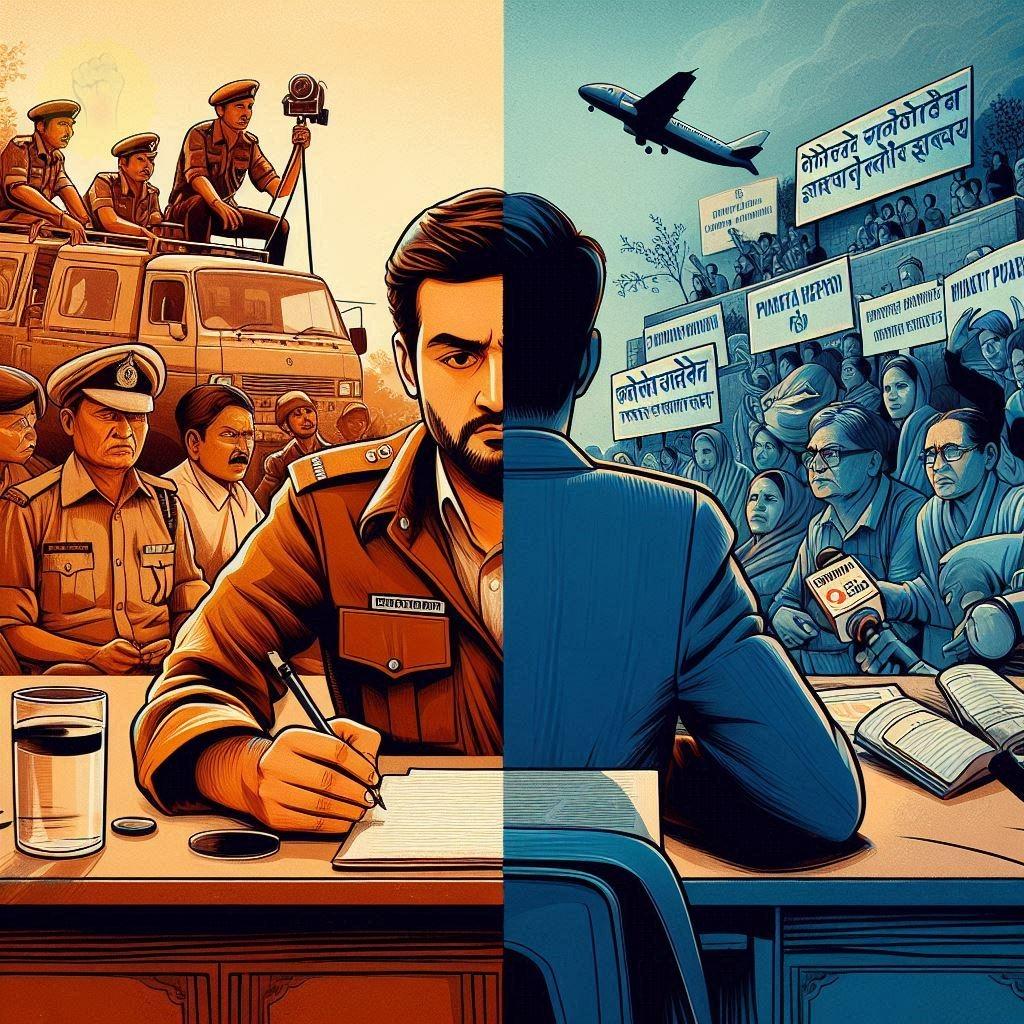




• నిరాశ Vs. నిరీక్షణ (Despair Vs. Hope)

    A journalist's primary duty is often to be a watchdog, focusing on what's broken in society: corruption, injustice, and systemic failure. After years of swimming in this river of negativity, my question is about the lens, not the story.

    Does the cynicism required to be a good watchdog inevitably color your entire worldview? And do you feel a professional responsibility to actively seek out and report on stories of hope, resilience, and progress—even if they don't generate the same outrage or clicks as stories of failure?

    In short, how do you draw the thin line between being a critic of society and becoming an enemy of its spirit?

    ఒక జర్నలిస్టుగా మీ ప్రాథమిక విధి, సమాజంలోని లోపాలను, అవినీతిని, అన్యాయాన్ని ఎత్తిచూపడమే. ఏళ్ల తరబడి ఈ నిరాశా నిస్పృహల ప్రవాహంలో ఈదిన తర్వాత... ప్రశ్న కథ గురించి కాదు, దాన్ని చూసే మీ కళ్ళద్దాల గురించి.

    వృత్తిధర్మంగా అలవడిన ఆ 'నైరాశ్యం', క్రమంగా మీ దృక్పథాన్నే మార్చేస్తుందా? మీరు చూసే ప్రతి విషయంలోనూ కేవలం లోపాలే కనిపిస్తాయా?

    మరోవైపు, ఎలాంటి సంచలనం సృష్టించకపోయినా సరే... సమాజంలో నిగూఢంగా ఉన్న ఆశ, పట్టుదల, ప్రగతి కథలను వెలికితీయడం కూడా మీ బాధ్యత అని మీరు నమ్ముతున్నారా?

    ఒక విమర్శకుడిగా ఉండటానికీ, ఒక విరోధిగా మారిపోవడానికీ మధ్య ఉన్న ఆ సన్నని గీతను మీరెలా గీస్తారు?

    నిరాశ Vs. నిరీక్షణ (Despair Vs. Hope) A journalist's primary duty is often to be a watchdog, focusing on what's broken in society: corruption, injustice, and systemic failure. After years of swimming in this river of negativity, my question is about the lens, not the story. Does the cynicism required to be a good watchdog inevitably color your entire worldview? And do you feel a professional responsibility to actively seek out and report on stories of hope, resilience, and progress—even if they don't generate the same outrage or clicks as stories of failure? In short, how do you draw the thin line between being a critic of society and becoming an enemy of its spirit? ఒక జర్నలిస్టుగా మీ ప్రాథమిక విధి, సమాజంలోని లోపాలను, అవినీతిని, అన్యాయాన్ని ఎత్తిచూపడమే. ఏళ్ల తరబడి ఈ నిరాశా నిస్పృహల ప్రవాహంలో ఈదిన తర్వాత... ప్రశ్న కథ గురించి కాదు, దాన్ని చూసే మీ కళ్ళద్దాల గురించి. వృత్తిధర్మంగా అలవడిన ఆ 'నైరాశ్యం', క్రమంగా మీ దృక్పథాన్నే మార్చేస్తుందా? మీరు చూసే ప్రతి విషయంలోనూ కేవలం లోపాలే కనిపిస్తాయా? మరోవైపు, ఎలాంటి సంచలనం సృష్టించకపోయినా సరే... సమాజంలో నిగూఢంగా ఉన్న ఆశ, పట్టుదల, ప్రగతి కథలను వెలికితీయడం కూడా మీ బాధ్యత అని మీరు నమ్ముతున్నారా? ఒక విమర్శకుడిగా ఉండటానికీ, ఒక విరోధిగా మారిపోవడానికీ మధ్య ఉన్న ఆ సన్నని గీతను మీరెలా గీస్తారు?

    0 Comments 0 Shares 1K Views 0 Reviews

  • Investigative Journalism’s Long Game

    Investigative journalism stands apart from day-to-day news reporting by delving deep into issues that demand rigorous research, time, and dedication. Unlike "fast news," which focuses on immediate events and real-time updates, investigative journalism involves a process of uncovering hidden truths, often buried beneath layers of secrecy, corruption, or neglect. Reporters involved in these efforts dedicate months or even years to gathering evidence, verifying facts, and sometimes collaborating with various sources, including whistleblowers, to shed light on stories that powerful entities might prefer remain hidden.

    This dedication to unveiling the truth can have a lasting impact. Through their persistent efforts, investigative reporters can reveal information that sparks public outrage, leads to legislative changes, or shifts societal attitudes. For example, stories about government corruption, environmental abuses, human rights violations, or corporate fraud have, in many instances, led to the resignation of officials, policy reforms, or strengthened legal protections for vulnerable communities.

    Such journalism not only requires resilience but also a willingness to endure the challenges and risks that come with exposing uncomfortable truths. Investigative reporters often operate with minimal recognition for their work, yet their discoveries can shape history, redefine justice, and drive social change—showcasing the enduring influence of the written word when backed by courage and commitment.
    #BharatAawaz
    Investigative Journalism’s Long Game Investigative journalism stands apart from day-to-day news reporting by delving deep into issues that demand rigorous research, time, and dedication. Unlike "fast news," which focuses on immediate events and real-time updates, investigative journalism involves a process of uncovering hidden truths, often buried beneath layers of secrecy, corruption, or neglect. Reporters involved in these efforts dedicate months or even years to gathering evidence, verifying facts, and sometimes collaborating with various sources, including whistleblowers, to shed light on stories that powerful entities might prefer remain hidden. This dedication to unveiling the truth can have a lasting impact. Through their persistent efforts, investigative reporters can reveal information that sparks public outrage, leads to legislative changes, or shifts societal attitudes. For example, stories about government corruption, environmental abuses, human rights violations, or corporate fraud have, in many instances, led to the resignation of officials, policy reforms, or strengthened legal protections for vulnerable communities. Such journalism not only requires resilience but also a willingness to endure the challenges and risks that come with exposing uncomfortable truths. Investigative reporters often operate with minimal recognition for their work, yet their discoveries can shape history, redefine justice, and drive social change—showcasing the enduring influence of the written word when backed by courage and commitment. #BharatAawaz
    0 Comments 0 Shares 3K Views 0 Reviews
  • The Role of Reporters in Social Justice Movements!

    Reporters play a crucial role in shaping public perception and understanding of social justice issues. Their coverage not only informs the public but also mobilizes communities and advocates for change. Here’s an examination of how reporters have contributed to social justice movements:

    1. Investigative Reporting:
    Investigative journalists delve deep into social justice issues, uncovering systemic injustices, corruption, and abuses of power. Through thorough research and fact-checking, they bring to light stories that might otherwise remain hidden.
    2. Amplifying Marginalized Voices:
    Reporters have the responsibility to amplify the voices of marginalized communities who often lack representation in mainstream media. By giving these groups a platform, journalists can highlight their struggles and achievements.
    3. Documenting Protests and Movements:
    On-the-ground coverage of protests, rallies, and movements is vital for raising awareness about social justice issues. Reporters capture the emotions, motivations, and demands of protesters, conveying the urgency of their causes to a broader audience
    4. Engaging in Advocacy Journalism:
    Some reporters actively engage in advocacy journalism, where they not only report on issues but also take a stand on them. This can include writing opinion pieces, creating campaigns, or collaborating with activists.
    5. Utilizing Multimedia Storytelling:
    Modern journalism increasingly uses multimedia formats to tell stories about social justice. Videos, podcasts, and social media allow for a more dynamic representation of issues, reaching diverse audiences.
    6. Following Up on Stories:
    Reporters can contribute to social justice movements by following up on previous stories, highlighting progress or setbacks. This continuous coverage keeps issues in the public eye and holds institutions accountable.
    The role of reporters in social justice movements is multifaceted and essential. Through investigative reporting, amplifying marginalized voices, documenting movements, engaging in advocacy, utilizing multimedia storytelling, and providing ongoing coverage, reporters contribute significantly to raising awareness and advocating for change. Their work not only informs the public but also inspires action, fostering a more just and equitable society.
    #Bharat Aawaz
    The Role of Reporters in Social Justice Movements! Reporters play a crucial role in shaping public perception and understanding of social justice issues. Their coverage not only informs the public but also mobilizes communities and advocates for change. Here’s an examination of how reporters have contributed to social justice movements: 1. Investigative Reporting: Investigative journalists delve deep into social justice issues, uncovering systemic injustices, corruption, and abuses of power. Through thorough research and fact-checking, they bring to light stories that might otherwise remain hidden. 2. Amplifying Marginalized Voices: Reporters have the responsibility to amplify the voices of marginalized communities who often lack representation in mainstream media. By giving these groups a platform, journalists can highlight their struggles and achievements. 3. Documenting Protests and Movements: On-the-ground coverage of protests, rallies, and movements is vital for raising awareness about social justice issues. Reporters capture the emotions, motivations, and demands of protesters, conveying the urgency of their causes to a broader audience 4. Engaging in Advocacy Journalism: Some reporters actively engage in advocacy journalism, where they not only report on issues but also take a stand on them. This can include writing opinion pieces, creating campaigns, or collaborating with activists. 5. Utilizing Multimedia Storytelling: Modern journalism increasingly uses multimedia formats to tell stories about social justice. Videos, podcasts, and social media allow for a more dynamic representation of issues, reaching diverse audiences. 6. Following Up on Stories: Reporters can contribute to social justice movements by following up on previous stories, highlighting progress or setbacks. This continuous coverage keeps issues in the public eye and holds institutions accountable. The role of reporters in social justice movements is multifaceted and essential. Through investigative reporting, amplifying marginalized voices, documenting movements, engaging in advocacy, utilizing multimedia storytelling, and providing ongoing coverage, reporters contribute significantly to raising awareness and advocating for change. Their work not only informs the public but also inspires action, fostering a more just and equitable society. #Bharat Aawaz
    0 Comments 0 Shares 2K Views 0 Reviews
  • The Future of Investigative Journalism !
    Investigative journalism has long been a cornerstone of a free and democratic society, exposing corruption, injustice, and abuses of power. However, in the digital age, investigative reporters face a unique set of challenges and opportunities that shape the landscape of their work.
    Challenges Facing Investigative Journalists
    1. Information Overload:
    ○ The sheer volume of information available online can be overwhelming. Journalists must sift through vast amounts of data to find credible sources and pertinent information, making it challenging to discern what is relevant and trustworthy.
    2. Misinformation and Disinformation:
    ○ The rise of fake news and misinformation campaigns poses a significant threat to investigative journalism. Reporters must navigate a complex landscape where distinguishing fact from fiction is increasingly difficult, requiring rigorous fact-checking and verification processes.
    3. Digital Security Risks:
    ○ Investigative journalists often work on sensitive stories that can attract backlash from powerful entities. This has led to heightened concerns about digital security, including hacking, surveillance, and threats to personal safety. Protecting sources and maintaining confidentiality is more critical than ever.
    4. Funding and Resources:
    ○ With the decline of traditional media outlets and advertising revenue, funding for investigative journalism has decreased. Many news organizations struggle to allocate resources for long-term investigations, leading to a reliance on shorter, less in-depth reporting.
    5. Audience Engagement:
    ○ In an era of instant gratification, capturing and maintaining audience attention can be challenging. Investigative reports often require a significant investment of time and resources, making it difficult to engage audiences who prefer quick news bites.
    Opportunities for Investigative Journalists
    1. Access to Advanced Tools and Technologies:
    ○ The digital age offers journalists access to sophisticated tools for data analysis, social media monitoring, and secure communication. These technologies enable investigative reporters to uncover hidden patterns, track stories across multiple platforms, and collaborate securely with sources.
    2. Crowdsourcing and Citizen Journalism:
    ○ Social media platforms and online communities provide opportunities for crowdsourcing information and tips from the public. This can lead to valuable insights and help uncover stories that may not have been accessible through traditional channels.
    3. Global Reach and Collaboration:
    ○ The internet allows investigative journalists to collaborate with peers across the globe. This can lead to impactful cross-border investigations that expose international corruption, human rights abuses, and more.
    4. Multimedia Storytelling:
    ○ Digital platforms enable journalists to present their findings in diverse formats, such as videos, podcasts, and interactive graphics. This not only enhances engagement but also allows for more nuanced storytelling that can reach wider audiences.
    5. Increased Public Demand for Transparency:
    ○ Growing public awareness and concern about issues like government accountability, corporate malfeasance, and social justice have increased demand for investigative reporting. Audiences are more engaged and supportive of journalistic efforts that seek to uncover the truth.

    # Bharat Aawaz
    The Future of Investigative Journalism ! Investigative journalism has long been a cornerstone of a free and democratic society, exposing corruption, injustice, and abuses of power. However, in the digital age, investigative reporters face a unique set of challenges and opportunities that shape the landscape of their work. Challenges Facing Investigative Journalists 1. Information Overload: ○ The sheer volume of information available online can be overwhelming. Journalists must sift through vast amounts of data to find credible sources and pertinent information, making it challenging to discern what is relevant and trustworthy. 2. Misinformation and Disinformation: ○ The rise of fake news and misinformation campaigns poses a significant threat to investigative journalism. Reporters must navigate a complex landscape where distinguishing fact from fiction is increasingly difficult, requiring rigorous fact-checking and verification processes. 3. Digital Security Risks: ○ Investigative journalists often work on sensitive stories that can attract backlash from powerful entities. This has led to heightened concerns about digital security, including hacking, surveillance, and threats to personal safety. Protecting sources and maintaining confidentiality is more critical than ever. 4. Funding and Resources: ○ With the decline of traditional media outlets and advertising revenue, funding for investigative journalism has decreased. Many news organizations struggle to allocate resources for long-term investigations, leading to a reliance on shorter, less in-depth reporting. 5. Audience Engagement: ○ In an era of instant gratification, capturing and maintaining audience attention can be challenging. Investigative reports often require a significant investment of time and resources, making it difficult to engage audiences who prefer quick news bites. Opportunities for Investigative Journalists 1. Access to Advanced Tools and Technologies: ○ The digital age offers journalists access to sophisticated tools for data analysis, social media monitoring, and secure communication. These technologies enable investigative reporters to uncover hidden patterns, track stories across multiple platforms, and collaborate securely with sources. 2. Crowdsourcing and Citizen Journalism: ○ Social media platforms and online communities provide opportunities for crowdsourcing information and tips from the public. This can lead to valuable insights and help uncover stories that may not have been accessible through traditional channels. 3. Global Reach and Collaboration: ○ The internet allows investigative journalists to collaborate with peers across the globe. This can lead to impactful cross-border investigations that expose international corruption, human rights abuses, and more. 4. Multimedia Storytelling: ○ Digital platforms enable journalists to present their findings in diverse formats, such as videos, podcasts, and interactive graphics. This not only enhances engagement but also allows for more nuanced storytelling that can reach wider audiences. 5. Increased Public Demand for Transparency: ○ Growing public awareness and concern about issues like government accountability, corporate malfeasance, and social justice have increased demand for investigative reporting. Audiences are more engaged and supportive of journalistic efforts that seek to uncover the truth. # Bharat Aawaz
    0 Comments 0 Shares 3K Views 0 Reviews
  • The Art of Editorial Writing!

    Crafting Compelling and Influential Pieces Editorial writing is a unique form of journalism that allows writers to express their opinions, advocate for change, and reflect the sentiments of the community. Well-written editorials do more than just present an argument; they inspire action, influence public opinion, and contribute to important discussions in society. Here’s how to create impactful editorials and analyze examples of those that have shaped public discourse. Tips for Crafting Compelling Editorials Choose a Strong, Clear Position: The first step to writing an effective editorial is selecting a topic that matters and taking a clear, strong position on it. The writer must be decisive and articulate why their perspective on the issue is important. Readers should not be left wondering where the writer stands. Understand Your Audience: Knowing the audience is crucial when writing an editorial. Understanding the readers' concerns, values, and knowledge level helps tailor the message in a way that resonates. For example, a local newspaper’s editorial on city zoning laws would address issues relevant to the community, whereas a national publication might tackle broader topics like climate policy. Research and Gather Facts: A compelling editorial isn’t just about opinions; it’s about well-researched, evidence-backed arguments. Including statistics, quotes from experts, and real-life examples strengthens the writer’s position and adds credibility. Readers are more likely to be persuaded if the writer uses solid evidence. Offer Solutions, Not Just Criticism: An editorial that only criticizes without offering solutions may feel one-sided. Instead, effective editorials provide constructive suggestions or pathways to improvement. This could involve recommending policy changes, supporting specific actions, or proposing new ideas for consideration. Maintain a Balanced Tone: While passion and emotion are important, balance is key. Editorials should avoid overly aggressive or confrontational language that could alienate readers. Instead, focus on making the case calmly and persuasively, allowing the facts and logic to lead the argument. Appeal to Emotion: Editorials should connect with readers on a personal level. Whether it’s through storytelling, invoking shared values, or addressing urgent community issues, appealing to readers' emotions helps make the message more impactful and memorable. Conclude with a Call to Action: Every editorial should end with a clear call to action, urging readers or authorities to take specific steps. Whether it’s signing a petition, voting in an election, or simply reflecting on the issue, the conclusion should inspire action or further thought. Shaping Public Opinion: Well-crafted editorials can shift public opinion by presenting clear, persuasive arguments on critical issues. They create a space for dialogue, encouraging readers to think about the issue from a new perspective. Holding Power Accountable: Editorials often take on a watchdog role, challenging those in power to act responsibly. By calling out corruption, injustice, or neglect, editorials push for greater transparency and accountability in government, business, and other sectors. Advocating for Social Change: Many editorials have sparked social movements by raising awareness about critical issues like civil rights, gender equality, and environmental protection. These editorials often become a rallying point for communities and activists, amplifying voices that demand change.
    #Bharat Aawaz
    The Art of Editorial Writing! Crafting Compelling and Influential Pieces Editorial writing is a unique form of journalism that allows writers to express their opinions, advocate for change, and reflect the sentiments of the community. Well-written editorials do more than just present an argument; they inspire action, influence public opinion, and contribute to important discussions in society. Here’s how to create impactful editorials and analyze examples of those that have shaped public discourse. Tips for Crafting Compelling Editorials Choose a Strong, Clear Position: The first step to writing an effective editorial is selecting a topic that matters and taking a clear, strong position on it. The writer must be decisive and articulate why their perspective on the issue is important. Readers should not be left wondering where the writer stands. Understand Your Audience: Knowing the audience is crucial when writing an editorial. Understanding the readers' concerns, values, and knowledge level helps tailor the message in a way that resonates. For example, a local newspaper’s editorial on city zoning laws would address issues relevant to the community, whereas a national publication might tackle broader topics like climate policy. Research and Gather Facts: A compelling editorial isn’t just about opinions; it’s about well-researched, evidence-backed arguments. Including statistics, quotes from experts, and real-life examples strengthens the writer’s position and adds credibility. Readers are more likely to be persuaded if the writer uses solid evidence. Offer Solutions, Not Just Criticism: An editorial that only criticizes without offering solutions may feel one-sided. Instead, effective editorials provide constructive suggestions or pathways to improvement. This could involve recommending policy changes, supporting specific actions, or proposing new ideas for consideration. Maintain a Balanced Tone: While passion and emotion are important, balance is key. Editorials should avoid overly aggressive or confrontational language that could alienate readers. Instead, focus on making the case calmly and persuasively, allowing the facts and logic to lead the argument. Appeal to Emotion: Editorials should connect with readers on a personal level. Whether it’s through storytelling, invoking shared values, or addressing urgent community issues, appealing to readers' emotions helps make the message more impactful and memorable. Conclude with a Call to Action: Every editorial should end with a clear call to action, urging readers or authorities to take specific steps. Whether it’s signing a petition, voting in an election, or simply reflecting on the issue, the conclusion should inspire action or further thought. Shaping Public Opinion: Well-crafted editorials can shift public opinion by presenting clear, persuasive arguments on critical issues. They create a space for dialogue, encouraging readers to think about the issue from a new perspective. Holding Power Accountable: Editorials often take on a watchdog role, challenging those in power to act responsibly. By calling out corruption, injustice, or neglect, editorials push for greater transparency and accountability in government, business, and other sectors. Advocating for Social Change: Many editorials have sparked social movements by raising awareness about critical issues like civil rights, gender equality, and environmental protection. These editorials often become a rallying point for communities and activists, amplifying voices that demand change. #Bharat Aawaz
    0 Comments 0 Shares 3K Views 0 Reviews
  • How Journalists Can Drive Social Change
    Reporting on Social Issues!

    Journalists play a vital role in addressing social issues by shining a light on the challenges faced by communities and advocating for change. By covering topics such as poverty, education, health, and environmental concerns, reporters can raise awareness and foster a deeper understanding of these issues among the public.
    • Bringing Awareness: Reporting on social issues helps to inform the public about the realities faced by marginalized or underrepresented groups. For example, articles highlighting the struggles of families living in poverty can draw attention to the systemic factors contributing to their situation, prompting discussions on potential solutions.
    • Promoting Dialogue and Engagement: By covering social issues, journalists can encourage dialogue within communities. When people are informed about pressing concerns, they are more likely to engage in discussions and initiatives aimed at creating change. For instance, reporting on educational disparities can inspire community members to advocate for better funding and resources for local schools.
    • Fostering Empathy: In-depth reporting on social issues can evoke empathy among readers. By sharing personal stories and experiences of those affected by these issues, journalists can humanize complex topics, making them relatable and urging the audience to take action. For example, a feature story on a single parent struggling to access healthcare can galvanize community support for local health initiatives.
    • Influencing Policy and Action: Well-researched articles that highlight social issues can influence policymakers and stakeholders to take action. When journalists present compelling evidence of a problem, such as inadequate housing or lack of access to education, it can lead to discussions at governmental levels and prompt necessary reforms.
    The Journalist as a Change Agent
    Beyond merely reporting on issues, journalists can actively function as change agents within society. Their work has the power to shape public opinion and drive legislative changes.
    • Investigative Journalism: Journalists who investigate and report on corruption, abuse, or injustice can lead to significant societal changes. For instance, a journalist uncovering unethical practices within a government agency may prompt an investigation, resulting in policy reforms and greater accountability.
    • Highlighting Success Stories: Journalists can also focus on success stories and initiatives that are making a difference in society. By showcasing programs that effectively address issues like homelessness or mental health, journalists can inspire others to replicate these efforts and encourage investment in similar initiatives.
    • Shaping Public Opinion: Journalists have the ability to influence how the public perceives social issues. By framing stories in a way that emphasizes the urgency and importance of specific concerns, they can shift public opinion and create momentum for change. For example, a series of articles that cover the impact of climate change on local communities can lead to increased public support for environmental policies.
    • Mobilizing Communities: By providing information on local initiatives, events, or campaigns, journalists can mobilize communities to take action. For example, reporting on a community-led cleanup initiative can encourage more residents to participate and foster a sense of collective responsibility for the environment.
    In conclusion, journalists have a profound capacity to drive social change through their reporting and advocacy. By covering pressing social issues and acting as change agents, they can raise awareness, influence public opinion, and contribute to meaningful progress in society.
    #Bharat Aawaz
    How Journalists Can Drive Social Change Reporting on Social Issues! Journalists play a vital role in addressing social issues by shining a light on the challenges faced by communities and advocating for change. By covering topics such as poverty, education, health, and environmental concerns, reporters can raise awareness and foster a deeper understanding of these issues among the public. • Bringing Awareness: Reporting on social issues helps to inform the public about the realities faced by marginalized or underrepresented groups. For example, articles highlighting the struggles of families living in poverty can draw attention to the systemic factors contributing to their situation, prompting discussions on potential solutions. • Promoting Dialogue and Engagement: By covering social issues, journalists can encourage dialogue within communities. When people are informed about pressing concerns, they are more likely to engage in discussions and initiatives aimed at creating change. For instance, reporting on educational disparities can inspire community members to advocate for better funding and resources for local schools. • Fostering Empathy: In-depth reporting on social issues can evoke empathy among readers. By sharing personal stories and experiences of those affected by these issues, journalists can humanize complex topics, making them relatable and urging the audience to take action. For example, a feature story on a single parent struggling to access healthcare can galvanize community support for local health initiatives. • Influencing Policy and Action: Well-researched articles that highlight social issues can influence policymakers and stakeholders to take action. When journalists present compelling evidence of a problem, such as inadequate housing or lack of access to education, it can lead to discussions at governmental levels and prompt necessary reforms. The Journalist as a Change Agent Beyond merely reporting on issues, journalists can actively function as change agents within society. Their work has the power to shape public opinion and drive legislative changes. • Investigative Journalism: Journalists who investigate and report on corruption, abuse, or injustice can lead to significant societal changes. For instance, a journalist uncovering unethical practices within a government agency may prompt an investigation, resulting in policy reforms and greater accountability. • Highlighting Success Stories: Journalists can also focus on success stories and initiatives that are making a difference in society. By showcasing programs that effectively address issues like homelessness or mental health, journalists can inspire others to replicate these efforts and encourage investment in similar initiatives. • Shaping Public Opinion: Journalists have the ability to influence how the public perceives social issues. By framing stories in a way that emphasizes the urgency and importance of specific concerns, they can shift public opinion and create momentum for change. For example, a series of articles that cover the impact of climate change on local communities can lead to increased public support for environmental policies. • Mobilizing Communities: By providing information on local initiatives, events, or campaigns, journalists can mobilize communities to take action. For example, reporting on a community-led cleanup initiative can encourage more residents to participate and foster a sense of collective responsibility for the environment. In conclusion, journalists have a profound capacity to drive social change through their reporting and advocacy. By covering pressing social issues and acting as change agents, they can raise awareness, influence public opinion, and contribute to meaningful progress in society. #Bharat Aawaz
    0 Comments 0 Shares 2K Views 0 Reviews
  • Skills and Techniques for Better Reporting!
    Investigative Journalism Tips

    Investigative journalism involves in-depth research and thorough reporting to uncover truths that might not be easily accessible. Here are some practical tips to enhance your investigative reporting skills:
    • Research Thoroughly: Start with background research on the topic. Utilize public records, academic articles, and previous news reports to build a solid foundation of knowledge. This will help you understand the context and identify key areas to explore further.
    Example: If investigating a local environmental issue, examine government reports, pollution data, and previous articles about the area to identify potential problems and stakeholders involved.
    • Build Trusting Relationships with Sources: Establish a rapport with potential sources, whether they are whistleblowers, experts, or witnesses. Trust is crucial in investigative journalism, as many sources may be hesitant to share sensitive information.
    Example: A reporter investigating corruption in a government agency may spend time talking informally with employees to build trust before asking them for detailed information about their experiences.
    • Ask Open-Ended Questions: When interviewing sources, ask open-ended questions that encourage them to share detailed information. Avoid yes/no questions, as they limit the depth of responses.
    Example: Instead of asking, "Did you witness any corruption?" you could ask, "Can you describe what you observed regarding the allocation of funds in your department?"
    • Verify Information: Cross-check information from multiple sources to ensure its accuracy. Investigative reporting often involves piecing together information from various angles.
    Example: If a source claims there is corruption in a contract awarded to a company, the reporter should seek out official documents, financial records, and additional sources to confirm this claim before publishing.
    Interviewing Techniques
    Conducting effective interviews is a crucial skill for reporters. Here are some tips to improve your interviewing techniques:
    • Prepare in Advance: Research your interviewee and the topic beforehand. This preparation allows you to ask informed questions and engage in meaningful dialogue.
    Example: If interviewing a community leader about a new policy, familiarize yourself with the policy details and the leader's background to ask relevant and insightful questions.
    • Practice Active Listening: Pay close attention to your interviewee’s responses. Show interest by nodding, maintaining eye contact, and asking follow-up questions based on their answers. This approach not only builds rapport but can also lead to more profound insights.
    Example: If the interviewee mentions a personal experience related to the topic, you can ask, "How did that experience shape your views on the current situation?"
    • Observe Body Language: Non-verbal cues can provide valuable insights during an interview. Pay attention to the interviewee's body language, tone, and facial expressions, as they may indicate comfort or discomfort with certain topics.
    Example: If an interviewee becomes defensive or evasive when asked about a controversial issue, it may signal that they are hiding something. This can prompt you to ask more probing questions or consider their motives.
    • Create a Comfortable Environment: Make the interviewee feel at ease by choosing a comfortable setting and being respectful. This approach encourages them to open up and share more information.
    Example: If possible, conduct the interview in a quiet café or a relaxed environment where the interviewee feels safe and less pressured.

    #Bharat Aawaz
    Skills and Techniques for Better Reporting! Investigative Journalism Tips Investigative journalism involves in-depth research and thorough reporting to uncover truths that might not be easily accessible. Here are some practical tips to enhance your investigative reporting skills: • Research Thoroughly: Start with background research on the topic. Utilize public records, academic articles, and previous news reports to build a solid foundation of knowledge. This will help you understand the context and identify key areas to explore further. Example: If investigating a local environmental issue, examine government reports, pollution data, and previous articles about the area to identify potential problems and stakeholders involved. • Build Trusting Relationships with Sources: Establish a rapport with potential sources, whether they are whistleblowers, experts, or witnesses. Trust is crucial in investigative journalism, as many sources may be hesitant to share sensitive information. Example: A reporter investigating corruption in a government agency may spend time talking informally with employees to build trust before asking them for detailed information about their experiences. • Ask Open-Ended Questions: When interviewing sources, ask open-ended questions that encourage them to share detailed information. Avoid yes/no questions, as they limit the depth of responses. Example: Instead of asking, "Did you witness any corruption?" you could ask, "Can you describe what you observed regarding the allocation of funds in your department?" • Verify Information: Cross-check information from multiple sources to ensure its accuracy. Investigative reporting often involves piecing together information from various angles. Example: If a source claims there is corruption in a contract awarded to a company, the reporter should seek out official documents, financial records, and additional sources to confirm this claim before publishing. Interviewing Techniques Conducting effective interviews is a crucial skill for reporters. Here are some tips to improve your interviewing techniques: • Prepare in Advance: Research your interviewee and the topic beforehand. This preparation allows you to ask informed questions and engage in meaningful dialogue. Example: If interviewing a community leader about a new policy, familiarize yourself with the policy details and the leader's background to ask relevant and insightful questions. • Practice Active Listening: Pay close attention to your interviewee’s responses. Show interest by nodding, maintaining eye contact, and asking follow-up questions based on their answers. This approach not only builds rapport but can also lead to more profound insights. Example: If the interviewee mentions a personal experience related to the topic, you can ask, "How did that experience shape your views on the current situation?" • Observe Body Language: Non-verbal cues can provide valuable insights during an interview. Pay attention to the interviewee's body language, tone, and facial expressions, as they may indicate comfort or discomfort with certain topics. Example: If an interviewee becomes defensive or evasive when asked about a controversial issue, it may signal that they are hiding something. This can prompt you to ask more probing questions or consider their motives. • Create a Comfortable Environment: Make the interviewee feel at ease by choosing a comfortable setting and being respectful. This approach encourages them to open up and share more information. Example: If possible, conduct the interview in a quiet café or a relaxed environment where the interviewee feels safe and less pressured. #Bharat Aawaz
    0 Comments 0 Shares 217 Views 0 Reviews
  • The Role of Journalism in Democracy!
    Why Journalism Matters!

    Journalism is often called the "fourth pillar of democracy" because it plays a crucial role in maintaining transparency, accountability, and truth in society. Reporters act as watchdogs, constantly monitoring the actions of governments, corporations, and other institutions to ensure that the people in power don’t misuse their authority.
    Example: When reporters expose corruption in government contracts or investigate unethical practices in big corporations, they help keep the system honest. For instance, in India, the Commonwealth Games scam was uncovered by the media, where journalists brought to light the misuse of public funds in organizing the event. This exposure forced authorities to take action and prosecute those involved.
    In a democracy, people have the right to know what their leaders and institutions are doing, and journalism makes sure that this right is protected. Without reporters bringing important issues to light, many acts of corruption or injustice might go unnoticed, harming the very foundation of democracy.
    Freedom of Press and Its Challenges
    Press freedom is essential for reporters to do their jobs without fear of censorship or retribution. A free press ensures that journalists can report the truth without being controlled or influenced by powerful entities like the government or corporations.
    However, defending this freedom is often challenging. Many journalists face threats, intimidation, and even violence for their reporting. In some cases, governments impose restrictions on the media, limiting what they can report.
    Example: Globally, we’ve seen journalists face repression for exposing the truth. In countries like Russia, investigative reporters like Anna Politkovskaya were silenced because they exposed human rights abuses and government corruption. Closer to home, in India, reporters covering issues like environmental damage caused by industries or political corruption often face harassment or legal threats. This shows how difficult it can be for journalists to operate in certain environments.
    Despite these challenges, it’s important for journalists to defend their rights to free speech and press freedom. Organizations like Reporters Without Borders and The Committee to Protect Journalists work tirelessly to support reporters who are under threat, advocating for their protection and the preservation of free press around the world.

    Conclusion: Why Reporters Must Keep Fighting for Democracy
    In a democracy, the role of reporters goes beyond just telling stories. They are the voice of the people, revealing hidden truths, challenging power, and standing up for justice. Without their dedication, many crucial issues would remain in the shadows, weakening the foundation of democratic societies.
    Reporters not only have to work in difficult and often dangerous conditions, but they must also stand firm in the face of censorship and intimidation to ensure that the truth is always brought to light. Their work ensures that democracy remains strong, accountable, and transparent for all citizens.

    #Bharat Aawaz
    The Role of Journalism in Democracy! Why Journalism Matters! Journalism is often called the "fourth pillar of democracy" because it plays a crucial role in maintaining transparency, accountability, and truth in society. Reporters act as watchdogs, constantly monitoring the actions of governments, corporations, and other institutions to ensure that the people in power don’t misuse their authority. Example: When reporters expose corruption in government contracts or investigate unethical practices in big corporations, they help keep the system honest. For instance, in India, the Commonwealth Games scam was uncovered by the media, where journalists brought to light the misuse of public funds in organizing the event. This exposure forced authorities to take action and prosecute those involved. In a democracy, people have the right to know what their leaders and institutions are doing, and journalism makes sure that this right is protected. Without reporters bringing important issues to light, many acts of corruption or injustice might go unnoticed, harming the very foundation of democracy. Freedom of Press and Its Challenges Press freedom is essential for reporters to do their jobs without fear of censorship or retribution. A free press ensures that journalists can report the truth without being controlled or influenced by powerful entities like the government or corporations. However, defending this freedom is often challenging. Many journalists face threats, intimidation, and even violence for their reporting. In some cases, governments impose restrictions on the media, limiting what they can report. Example: Globally, we’ve seen journalists face repression for exposing the truth. In countries like Russia, investigative reporters like Anna Politkovskaya were silenced because they exposed human rights abuses and government corruption. Closer to home, in India, reporters covering issues like environmental damage caused by industries or political corruption often face harassment or legal threats. This shows how difficult it can be for journalists to operate in certain environments. Despite these challenges, it’s important for journalists to defend their rights to free speech and press freedom. Organizations like Reporters Without Borders and The Committee to Protect Journalists work tirelessly to support reporters who are under threat, advocating for their protection and the preservation of free press around the world. Conclusion: Why Reporters Must Keep Fighting for Democracy In a democracy, the role of reporters goes beyond just telling stories. They are the voice of the people, revealing hidden truths, challenging power, and standing up for justice. Without their dedication, many crucial issues would remain in the shadows, weakening the foundation of democratic societies. Reporters not only have to work in difficult and often dangerous conditions, but they must also stand firm in the face of censorship and intimidation to ensure that the truth is always brought to light. Their work ensures that democracy remains strong, accountable, and transparent for all citizens. #Bharat Aawaz
    0 Comments 0 Shares 964 Views 0 Reviews
  • Stories of Brave Journalists Who Changed Society!

    Journalists play a powerful role in society by bringing out the truth and holding those in power accountable. Some reporters have gone beyond just telling stories—they have made a real impact, changing lives and even shaping the future of communities, countries, and the world.
    Journalists Who Made a Difference
    There are many examples of journalists, both in India and around the world, who have faced challenges and risks to report on issues that mattered. They have exposed corruption, stood up for human rights, and helped bring justice to the oppressed.
    Example: In India, repporter, an investigative journalist, exposed the involvement of high-level officials in the Gujarat riots through her work, despite facing threats to her life. Her brave reporting shone a light on serious human rights violations and called for accountability from powerful figures.
    Success Stories from Bharat Aawaz
    At BHARAT AAWAZ, we also have reporters who are making a real difference. Through their reporting, they have helped communities solve problems and raised awareness about important issues. Their work has empowered people to stand up for themselves and demand change.
    For example, one of our reporters, uncovered issues in rural education in Thanks to their reporting, local authorities took notice and improved school facilities, benefiting hundreds of children.
    #Bharat Aawaz
    Stories of Brave Journalists Who Changed Society! Journalists play a powerful role in society by bringing out the truth and holding those in power accountable. Some reporters have gone beyond just telling stories—they have made a real impact, changing lives and even shaping the future of communities, countries, and the world. Journalists Who Made a Difference There are many examples of journalists, both in India and around the world, who have faced challenges and risks to report on issues that mattered. They have exposed corruption, stood up for human rights, and helped bring justice to the oppressed. Example: In India, repporter, an investigative journalist, exposed the involvement of high-level officials in the Gujarat riots through her work, despite facing threats to her life. Her brave reporting shone a light on serious human rights violations and called for accountability from powerful figures. Success Stories from Bharat Aawaz At BHARAT AAWAZ, we also have reporters who are making a real difference. Through their reporting, they have helped communities solve problems and raised awareness about important issues. Their work has empowered people to stand up for themselves and demand change. For example, one of our reporters, uncovered issues in rural education in Thanks to their reporting, local authorities took notice and improved school facilities, benefiting hundreds of children. #Bharat Aawaz
    0 Comments 0 Shares 2K Views 0 Reviews
Bharat Aawaz | BMA https://ba.bharataawaz.com