




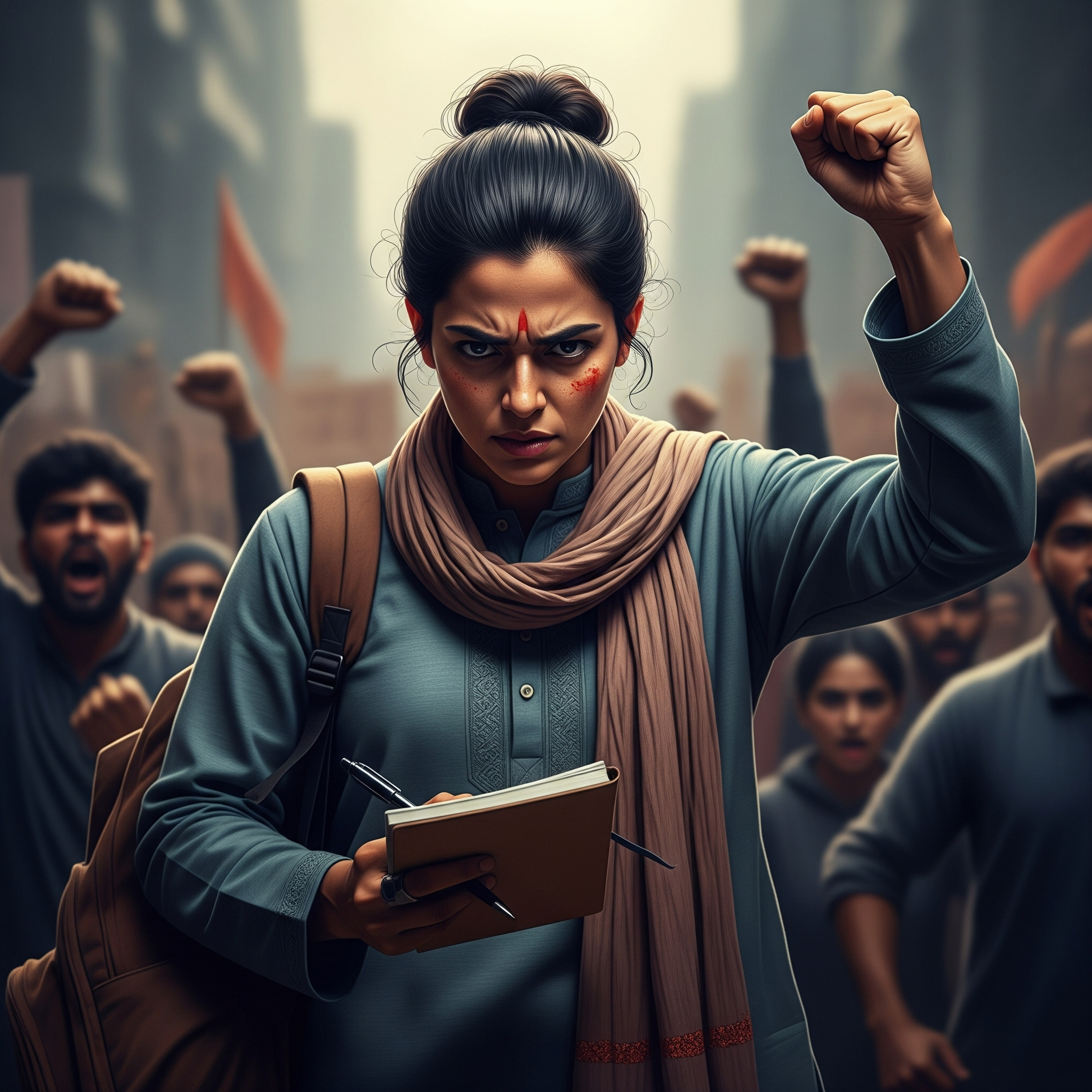
• *కలం Vs. కవాతు (The Pen Vs. The March)*

    We are often told the golden rule of journalism is objectivity—to be a dispassionate chronicler of events. But in the face of profound and undeniable injustice, that rule can feel like a moral betrayal.

    This question is about the two souls living within you: the Journalist and the Human.

    Have you ever covered a story where the 'objective' truth was so monstrously unjust that the Journalist's code of dispassion felt wholly inadequate? In that moment, did you feel a pull to let the Human take over—to drop the notebook, join the protest, or use your platform not just to inform, but to actively campaign for a specific outcome?

    Where do you draw your personal line? Is the highest calling of your profession to create a perfect, unimpeachable record of our times, or is it to bend the arc of history, even just a little, towards justice?

    జర్నలిజం యొక్క స్వర్ణ సూత్రం 'నిష్పాక్షికత' అని మనకు చెబుతారు - సంఘటనలకు కేవలం నిర్లిప్త సాక్షిగా ఉండాలని. కానీ కొన్నిసార్లు దారుణమైన అన్యాయం కళ్ళముందు జరిగినప్పుడు, ఆ సూత్రం ఒక నైతిక ద్రోహంలా అనిపిస్తుంది. ఈ ప్రశ్న మీలోని రెండు ఆత్మల గురించి: పాత్రికేయుడు మరియు మానవుడు.

    ఒక కథను కవర్ చేస్తున్నప్పుడు, అందులోని అన్యాయం ఎంత దారుణంగా ఉందంటే, ఒక పాత్రికేయుడిగా మీరు పాటించాల్సిన నిర్లిప్తత నియమం మీకు సరిపోదనిపించిన సందర్భం ఎప్పుడైనా ఉందా? ఆ క్షణంలో, మీలోని మానవుడిని మేల్కొలపాలనిపించిందా? అంటే... నోట్‌బుక్ పక్కనపెట్టి, నిరసనలో గొంతు కలపాలని, లేదా మీ వేదికను కేవలం సమాచారం కోసమే కాకుండా, ఒక నిర్దిష్ట ఫలితం కోసం ఉద్యమించడానికే ఉపయోగించాలని అనిపించిందా?

    మీరు మీ గీతను ఎక్కడ గీస్తారు? మీ వృత్తి యొక్క అత్యున్నత లక్ష్యం... మన కాలానికి సంబంధించిన దోషరహితమైన రికార్డును సృష్టించడమా? లేక చరిత్ర గమనాన్ని, కొద్దిగానైనా సరే, న్యాయం వైపుకు వంచడమా?
    *కలం Vs. కవాతు (The Pen Vs. The March)* We are often told the golden rule of journalism is objectivity—to be a dispassionate chronicler of events. But in the face of profound and undeniable injustice, that rule can feel like a moral betrayal. This question is about the two souls living within you: the Journalist and the Human. Have you ever covered a story where the 'objective' truth was so monstrously unjust that the Journalist's code of dispassion felt wholly inadequate? In that moment, did you feel a pull to let the Human take over—to drop the notebook, join the protest, or use your platform not just to inform, but to actively campaign for a specific outcome? Where do you draw your personal line? Is the highest calling of your profession to create a perfect, unimpeachable record of our times, or is it to bend the arc of history, even just a little, towards justice? జర్నలిజం యొక్క స్వర్ణ సూత్రం 'నిష్పాక్షికత' అని మనకు చెబుతారు - సంఘటనలకు కేవలం నిర్లిప్త సాక్షిగా ఉండాలని. కానీ కొన్నిసార్లు దారుణమైన అన్యాయం కళ్ళముందు జరిగినప్పుడు, ఆ సూత్రం ఒక నైతిక ద్రోహంలా అనిపిస్తుంది. ఈ ప్రశ్న మీలోని రెండు ఆత్మల గురించి: పాత్రికేయుడు మరియు మానవుడు. ఒక కథను కవర్ చేస్తున్నప్పుడు, అందులోని అన్యాయం ఎంత దారుణంగా ఉందంటే, ఒక పాత్రికేయుడిగా మీరు పాటించాల్సిన నిర్లిప్తత నియమం మీకు సరిపోదనిపించిన సందర్భం ఎప్పుడైనా ఉందా? ఆ క్షణంలో, మీలోని మానవుడిని మేల్కొలపాలనిపించిందా? అంటే... నోట్‌బుక్ పక్కనపెట్టి, నిరసనలో గొంతు కలపాలని, లేదా మీ వేదికను కేవలం సమాచారం కోసమే కాకుండా, ఒక నిర్దిష్ట ఫలితం కోసం ఉద్యమించడానికే ఉపయోగించాలని అనిపించిందా? మీరు మీ గీతను ఎక్కడ గీస్తారు? మీ వృత్తి యొక్క అత్యున్నత లక్ష్యం... మన కాలానికి సంబంధించిన దోషరహితమైన రికార్డును సృష్టించడమా? లేక చరిత్ర గమనాన్ని, కొద్దిగానైనా సరే, న్యాయం వైపుకు వంచడమా?

    Like
    1
    0 Comments 0 Shares 3K Views 0 Reviews
  • Reporter ID Card & Logo & Stickers New
    2100₹
    In stock
    1 Reviews 5.0
    Authenticity. Access. Accountability.
    Reporter ID Card & Logo & Stickers Now Mandatory for All Field Reporting
    Dear Reporters,

    As part of strengthening our journalistic identity and ensuring credible, responsible reporting, we are proud to introduce the official Bharat Aawaz Reporter ID Cards and Logo Kit.
    Why It’s Important:
    These ID cards validate your authority as a certified Bharat Aawaz journalist
    Required for ground reporting, interviews, and accessing official events
    Ensures protection, recognition, and legal verification during field coverage
    Builds trust with the public and local authorities
    Mandatory
    Each Reporter Will Receive:
    • Bharat Aawaz Reporter ID
    • LOGO & Stickers
    • Reporting Ethics & Conduct Guidelines
    No ID, No Ground Access.
    Let’s be professional, united, and impactful.
    Because we don’t just report the news - we represent truth.For Queries or Purchases or
    Directly register - Contact: 7095669933
    Authenticity. Access. Accountability. Reporter ID Card & Logo & Stickers Now Mandatory for All Field Reporting Dear Reporters, As part of strengthening our journalistic identity and ensuring credible, responsible reporting, we are proud to introduce the official Bharat Aawaz Reporter ID Cards and Logo Kit. Why It’s Important: ✅ These ID cards validate your authority as a certified Bharat Aawaz journalist ✅ Required for ground reporting, interviews, and accessing official events ✅ Ensures protection, recognition, and legal verification during field coverage ✅ Builds trust with the public and local authorities Mandatory Each Reporter Will Receive: • Bharat Aawaz Reporter ID • LOGO & Stickers • Reporting Ethics & Conduct Guidelines No ID, No Ground Access. Let’s be professional, united, and impactful. Because we don’t just report the news - we represent truth.For Queries or Purchases or Directly register - Contact: 7095669933
    Like
    1
    0 Comments 0 Shares 3K Views 1 Reviews
  • "Are you confident in India's new Bharat Forecasting System's ability to improve weather predictions and disaster preparedness?"

    India launched the Bharat Forecasting System on May 26, 2025. This high-resolution weather prediction system aims to enhance the prediction of monsoon patterns, cyclones, and other extreme weather events, supporting disaster management and agricultural planning.
    "Are you confident in India's new Bharat Forecasting System's ability to improve weather predictions and disaster preparedness?" India launched the Bharat Forecasting System on May 26, 2025. This high-resolution weather prediction system aims to enhance the prediction of monsoon patterns, cyclones, and other extreme weather events, supporting disaster management and agricultural planning.
    1
    0
    0
    0 Comments 0 Shares 803 Views 0 Reviews

  • Behind Every Picture, A Thousand Risks!

    "Behind Every Picture, A Thousand Risks" speaks to the incredible dangers and challenges journalists often face to capture moments that define history. Unlike staged photos or safer settings, many of these images are taken in high-stakes environments where reporters confront immense risks to document reality. Each shot could mean stepping into conflict zones, navigating through protests, or covering natural disasters where their own lives are in jeopardy. These reporters often work under intense pressure, aware that a single image can reveal truths that words may struggle to convey.

    Such iconic images not only shape public opinion but also spark change, evoking empathy, outrage, or a call for justice. Take, for example, images from the Vietnam War or the Civil Rights Movement—photos that exposed harsh truths and impacted public consciousness, ultimately shifting the course of events. Many journalists have gone to great lengths to immortalize these moments, sometimes sacrificing their health or safety. Their work serves as a testament to their dedication to truth, showing the lengths they go to so the world can witness and understand powerful events unfolding around us. These images underscore the resilience and courage within the field of journalism, showcasing how capturing a single moment can carry profound significance.
    #Bharat Aawaz
    Behind Every Picture, A Thousand Risks! "Behind Every Picture, A Thousand Risks" speaks to the incredible dangers and challenges journalists often face to capture moments that define history. Unlike staged photos or safer settings, many of these images are taken in high-stakes environments where reporters confront immense risks to document reality. Each shot could mean stepping into conflict zones, navigating through protests, or covering natural disasters where their own lives are in jeopardy. These reporters often work under intense pressure, aware that a single image can reveal truths that words may struggle to convey. Such iconic images not only shape public opinion but also spark change, evoking empathy, outrage, or a call for justice. Take, for example, images from the Vietnam War or the Civil Rights Movement—photos that exposed harsh truths and impacted public consciousness, ultimately shifting the course of events. Many journalists have gone to great lengths to immortalize these moments, sometimes sacrificing their health or safety. Their work serves as a testament to their dedication to truth, showing the lengths they go to so the world can witness and understand powerful events unfolding around us. These images underscore the resilience and courage within the field of journalism, showcasing how capturing a single moment can carry profound significance. #Bharat Aawaz
    0 Comments 0 Shares 1K Views 0 Reviews

  • Investigative Journalism’s Long Game

    Investigative journalism stands apart from day-to-day news reporting by delving deep into issues that demand rigorous research, time, and dedication. Unlike "fast news," which focuses on immediate events and real-time updates, investigative journalism involves a process of uncovering hidden truths, often buried beneath layers of secrecy, corruption, or neglect. Reporters involved in these efforts dedicate months or even years to gathering evidence, verifying facts, and sometimes collaborating with various sources, including whistleblowers, to shed light on stories that powerful entities might prefer remain hidden.

    This dedication to unveiling the truth can have a lasting impact. Through their persistent efforts, investigative reporters can reveal information that sparks public outrage, leads to legislative changes, or shifts societal attitudes. For example, stories about government corruption, environmental abuses, human rights violations, or corporate fraud have, in many instances, led to the resignation of officials, policy reforms, or strengthened legal protections for vulnerable communities.

    Such journalism not only requires resilience but also a willingness to endure the challenges and risks that come with exposing uncomfortable truths. Investigative reporters often operate with minimal recognition for their work, yet their discoveries can shape history, redefine justice, and drive social change—showcasing the enduring influence of the written word when backed by courage and commitment.
    #BharatAawaz
    Investigative Journalism’s Long Game Investigative journalism stands apart from day-to-day news reporting by delving deep into issues that demand rigorous research, time, and dedication. Unlike "fast news," which focuses on immediate events and real-time updates, investigative journalism involves a process of uncovering hidden truths, often buried beneath layers of secrecy, corruption, or neglect. Reporters involved in these efforts dedicate months or even years to gathering evidence, verifying facts, and sometimes collaborating with various sources, including whistleblowers, to shed light on stories that powerful entities might prefer remain hidden. This dedication to unveiling the truth can have a lasting impact. Through their persistent efforts, investigative reporters can reveal information that sparks public outrage, leads to legislative changes, or shifts societal attitudes. For example, stories about government corruption, environmental abuses, human rights violations, or corporate fraud have, in many instances, led to the resignation of officials, policy reforms, or strengthened legal protections for vulnerable communities. Such journalism not only requires resilience but also a willingness to endure the challenges and risks that come with exposing uncomfortable truths. Investigative reporters often operate with minimal recognition for their work, yet their discoveries can shape history, redefine justice, and drive social change—showcasing the enduring influence of the written word when backed by courage and commitment. #BharatAawaz
    0 Comments 0 Shares 2K Views 0 Reviews
  • Do you think making ordinary citizens news reporters on TV or online develops more awareness of news?

    Yes, empowering ordinary citizens to report news can significantly increase public awareness and engagement with current events. This approach, often called "citizen journalism," can provide real-time, on-the-ground perspectives that traditional media might miss or delay.

    Here Bharat Aawaz Giving A Chance to Who is Passinate to Become Reporter?

    When citizens are involved in news reporting:

    Diverse Perspectives: It brings varied viewpoints, especially from underrepresented communities, providing a more nuanced understanding of local and global issues.

    Timeliness: Citizens can capture and share breaking events as they happen, which helps inform the public quickly.

    Enhanced Accountability: It encourages accountability as more people participate in documenting and sharing what's happening in their areas, from local government decisions to public safety issues.

    Engagement and Trust: Viewers might find citizen-reported stories more relatable, leading to higher trust in the news content as they see their own communities reflected.

    #Bharat Aawaz

    Do you think making ordinary citizens news reporters on TV or online develops more awareness of news? Yes, empowering ordinary citizens to report news can significantly increase public awareness and engagement with current events. This approach, often called "citizen journalism," can provide real-time, on-the-ground perspectives that traditional media might miss or delay. Here Bharat Aawaz Giving A Chance to Who is Passinate to Become Reporter? When citizens are involved in news reporting: Diverse Perspectives: It brings varied viewpoints, especially from underrepresented communities, providing a more nuanced understanding of local and global issues. Timeliness: Citizens can capture and share breaking events as they happen, which helps inform the public quickly. Enhanced Accountability: It encourages accountability as more people participate in documenting and sharing what's happening in their areas, from local government decisions to public safety issues. Engagement and Trust: Viewers might find citizen-reported stories more relatable, leading to higher trust in the news content as they see their own communities reflected. #Bharat Aawaz
    0 Comments 0 Shares 1K Views 0 Reviews
  • Journalism is more than just reporting the facts—it's about uncovering the truth, shining a light on injustice, and giving a voice to the voiceless. Your work has the power to change lives and shape the world. As journalists, you are the guardians of democracy, the storytellers who bridge the gap between events and the public, and the protectors of truth
    #Bharat Aawaz
    Journalism is more than just reporting the facts—it's about uncovering the truth, shining a light on injustice, and giving a voice to the voiceless. Your work has the power to change lives and shape the world. As journalists, you are the guardians of democracy, the storytellers who bridge the gap between events and the public, and the protectors of truth🇮🇳 #Bharat Aawaz
    0 Comments 0 Shares 791 Views 0 Reviews
  • Covering Local Elections: A Reporter's Journey!

    Covering local elections is a pivotal responsibility for reporters, as these events shape the governance of communities and have a direct impact on the lives of residents. This journey involves navigating various challenges while striving for fairness and accuracy in reporting. Here’s an in-depth look at the experience of a reporter covering local elections:

    1. Preparing for the Assignment:
    Before the election season begins, a reporter immerses themselves in the local political landscape. This involves researching candidates, understanding key issues, and identifying the electorate's concerns.
    2. Building Relationships:
    Establishing connections with candidates, political parties, and community leaders is crucial. This allows the reporter to gain insights and facilitate access to interviews and events.
    3. Covering Campaign Events:
    During the campaign, reporters attend rallies, debates, and community forums, capturing the atmosphere and key moments. They interview candidates, supporters, and voters to gather diverse perspectives.
    4. Fact-Checking and Verification:
    Accurate reporting is essential, especially when candidates make claims about policies or opponents. The reporter dedicates time to fact-checking statements and ensuring that all information presented is accurate.
    5. Engaging the Community:
    A reporter also plays a role in engaging the community by covering voter registration drives, town hall meetings, and local issues that matter to residents. This helps to inform the electorate about the significance of their votes.
    6. Election Day Coverage:
    On election day, reporters are on the ground, reporting on voter turnout, long lines, and any irregularities at polling stations. They capture the energy and emotions of voters as they participate in the democratic process.
    7. Analyzing Results:
    After the polls close, reporters analyze the election results, providing insights into what the outcomes mean for the community. This involves interpreting data, understanding voting trends, and interviewing newly elected officials.
    8. Reflecting on the Experience:
    After the election, the reporter reflects on their experiences and the lessons learned throughout the process. They consider the importance of their role in informing the public and contributing to democracy.
    #BharatAawaz
    Covering Local Elections: A Reporter's Journey! Covering local elections is a pivotal responsibility for reporters, as these events shape the governance of communities and have a direct impact on the lives of residents. This journey involves navigating various challenges while striving for fairness and accuracy in reporting. Here’s an in-depth look at the experience of a reporter covering local elections: 1. Preparing for the Assignment: Before the election season begins, a reporter immerses themselves in the local political landscape. This involves researching candidates, understanding key issues, and identifying the electorate's concerns. 2. Building Relationships: Establishing connections with candidates, political parties, and community leaders is crucial. This allows the reporter to gain insights and facilitate access to interviews and events. 3. Covering Campaign Events: During the campaign, reporters attend rallies, debates, and community forums, capturing the atmosphere and key moments. They interview candidates, supporters, and voters to gather diverse perspectives. 4. Fact-Checking and Verification: Accurate reporting is essential, especially when candidates make claims about policies or opponents. The reporter dedicates time to fact-checking statements and ensuring that all information presented is accurate. 5. Engaging the Community: A reporter also plays a role in engaging the community by covering voter registration drives, town hall meetings, and local issues that matter to residents. This helps to inform the electorate about the significance of their votes. 6. Election Day Coverage: On election day, reporters are on the ground, reporting on voter turnout, long lines, and any irregularities at polling stations. They capture the energy and emotions of voters as they participate in the democratic process. 7. Analyzing Results: After the polls close, reporters analyze the election results, providing insights into what the outcomes mean for the community. This involves interpreting data, understanding voting trends, and interviewing newly elected officials. 8. Reflecting on the Experience: After the election, the reporter reflects on their experiences and the lessons learned throughout the process. They consider the importance of their role in informing the public and contributing to democracy. #BharatAawaz
    Like
    1
    0 Comments 0 Shares 1K Views 0 Reviews
  • Local Heroes: Reporters Highlighting Community Contributions!

    Local journalism plays a crucial role in shining a light on the unsung heroes of our communities—those individuals whose contributions often go unnoticed but have a significant impact on the lives of others. Here are some ways reporters can feature these local heroes and showcase their stories:

    1. Profile Stories:
    Reporters can conduct in-depth interviews with individuals making a difference in their communities. These profiles should highlight their backgrounds, motivations, and the specific actions they take to create positive change.
    2.Community Impact Features:
    Stories that explore the broader impact of these heroes on the community can illustrate how their efforts contribute to social change or improvement in quality of life
    3. Event Coverage:
    Covering local events that celebrate community heroes can provide a platform for their recognition. Reporters can document award ceremonies, community festivals, or fundraisers that honor these individuals.
    4. Photo Essays:
    Visual storytelling through photo essays can powerfully convey the stories of local heroes. By combining compelling images with narrative captions, reporters can create an emotional connection with the audience.
    5. Social Media Spotlights:
    Utilizing social media platforms can help reporters amplify the stories of local heroes. Short video clips or posts featuring these individuals can engage the community and encourage recognition and support.
    6. Collaborative Projects:
    Reporters can collaborate with local schools, organizations, or community groups to highlight heroes within the community. These partnerships can lead to deeper storytelling and broader reach.
    By focusing on local heroes, reporters not only highlight individual contributions but also foster a sense of community pride and inspire others to get involved. These stories remind us of the power of local journalism in amplifying voices that often go unheard and celebrating the everyday champions among us.
    #Bharat Aawaz
    Local Heroes: Reporters Highlighting Community Contributions! Local journalism plays a crucial role in shining a light on the unsung heroes of our communities—those individuals whose contributions often go unnoticed but have a significant impact on the lives of others. Here are some ways reporters can feature these local heroes and showcase their stories: 1. Profile Stories: Reporters can conduct in-depth interviews with individuals making a difference in their communities. These profiles should highlight their backgrounds, motivations, and the specific actions they take to create positive change. 2.Community Impact Features: Stories that explore the broader impact of these heroes on the community can illustrate how their efforts contribute to social change or improvement in quality of life 3. Event Coverage: Covering local events that celebrate community heroes can provide a platform for their recognition. Reporters can document award ceremonies, community festivals, or fundraisers that honor these individuals. 4. Photo Essays: Visual storytelling through photo essays can powerfully convey the stories of local heroes. By combining compelling images with narrative captions, reporters can create an emotional connection with the audience. 5. Social Media Spotlights: Utilizing social media platforms can help reporters amplify the stories of local heroes. Short video clips or posts featuring these individuals can engage the community and encourage recognition and support. 6. Collaborative Projects: Reporters can collaborate with local schools, organizations, or community groups to highlight heroes within the community. These partnerships can lead to deeper storytelling and broader reach. By focusing on local heroes, reporters not only highlight individual contributions but also foster a sense of community pride and inspire others to get involved. These stories remind us of the power of local journalism in amplifying voices that often go unheard and celebrating the everyday champions among us. #Bharat Aawaz
    0 Comments 0 Shares 2K Views 0 Reviews
  • Building a Personal Brand as a Reporter!
    In today’s digital age, establishing a personal brand is essential for reporters looking to stand out in a competitive media landscape. A strong personal brand not only helps journalists connect with their audience but also enhances their credibility and professional opportunities. Here are some key strategies for reporters to establish their presence on social media and build a personal brand:
    1. Define Your Niche
    • Identify Your Focus: Determine what specific topics or areas of reporting you are passionate about and want to be known for (e.g., politics, technology, health, or community issues). A clear niche helps you attract a targeted audience.
    • Create a Unique Voice: Develop a distinctive writing style and tone that reflects your personality and perspective. This will make your content more relatable and memorable.
    2. Optimize Social Media Profiles
    • Choose the Right Platforms: Select social media platforms that best suit your audience and content type. Twitter is great for breaking news and quick updates, while Instagram and TikTok can be effective for visual storytelling.
    • Craft a Compelling Bio: Write a concise and engaging bio that summarizes your expertise, interests, and what you offer as a journalist. Include links to your portfolio, website, or published articles.
    • Use Professional Photos: Invest in high-quality profile and cover photos that convey professionalism. A clear, approachable image helps build trust with your audience.
    3. Create Engaging Content
    • Share Your Work: Regularly post links to your articles, reports, or multimedia content. Highlight key takeaways and encourage discussions around your work.
    • Utilize Different Formats: Experiment with various content formats, such as videos, infographics, and podcasts, to engage your audience in different ways.
    • Tell Personal Stories: Share behind-the-scenes glimpses of your reporting process, challenges you’ve faced, and lessons learned. Personal stories humanize your brand and foster connections with your audience.
    4. Engage with Your Audience
    • Respond to Comments: Take the time to interact with your followers by responding to their comments and questions. This builds a sense of community and encourages further engagement.
    • Participate in Discussions: Join conversations around trending topics and issues relevant to your niche. Share your insights and contribute meaningfully to discussions in your field.
    • Collaborate with Others: Connect with fellow journalists, influencers, and industry experts. Collaborations can help you reach new audiences and enhance your credibility.
    5. Consistency is Key
    • Maintain a Regular Posting Schedule: Consistency helps keep your audience engaged and establishes you as a reliable source of information. Create a content calendar to plan and organize your posts.
    • Stay True to Your Brand: Ensure that your messaging and content align with your brand values and identity. Authenticity resonates with audiences and builds trust over time.
    6. Monitor Your Online Presence
    • Track Engagement Metrics: Use analytics tools to monitor the performance of your posts. Understanding what resonates with your audience can help refine your content strategy.
    • Be Mindful of Reputation: Regularly assess your online reputation and address any negative feedback constructively. Maintaining a positive image is crucial for a successful personal brand.
    7. Network and Build Relationships
    • Attend Industry Events: Participate in conferences, workshops, and webinars related to journalism. Networking with other professionals can lead to valuable connections and opportunities.
    Use BMA: Use BMA to connect with fellow journalists, editors, and industry leaders. Share your work, insights, and engage in discussions related to journalism

    #Bharat Aawaz
    Building a Personal Brand as a Reporter! In today’s digital age, establishing a personal brand is essential for reporters looking to stand out in a competitive media landscape. A strong personal brand not only helps journalists connect with their audience but also enhances their credibility and professional opportunities. Here are some key strategies for reporters to establish their presence on social media and build a personal brand: 1. Define Your Niche • Identify Your Focus: Determine what specific topics or areas of reporting you are passionate about and want to be known for (e.g., politics, technology, health, or community issues). A clear niche helps you attract a targeted audience. • Create a Unique Voice: Develop a distinctive writing style and tone that reflects your personality and perspective. This will make your content more relatable and memorable. 2. Optimize Social Media Profiles • Choose the Right Platforms: Select social media platforms that best suit your audience and content type. Twitter is great for breaking news and quick updates, while Instagram and TikTok can be effective for visual storytelling. • Craft a Compelling Bio: Write a concise and engaging bio that summarizes your expertise, interests, and what you offer as a journalist. Include links to your portfolio, website, or published articles. • Use Professional Photos: Invest in high-quality profile and cover photos that convey professionalism. A clear, approachable image helps build trust with your audience. 3. Create Engaging Content • Share Your Work: Regularly post links to your articles, reports, or multimedia content. Highlight key takeaways and encourage discussions around your work. • Utilize Different Formats: Experiment with various content formats, such as videos, infographics, and podcasts, to engage your audience in different ways. • Tell Personal Stories: Share behind-the-scenes glimpses of your reporting process, challenges you’ve faced, and lessons learned. Personal stories humanize your brand and foster connections with your audience. 4. Engage with Your Audience • Respond to Comments: Take the time to interact with your followers by responding to their comments and questions. This builds a sense of community and encourages further engagement. • Participate in Discussions: Join conversations around trending topics and issues relevant to your niche. Share your insights and contribute meaningfully to discussions in your field. • Collaborate with Others: Connect with fellow journalists, influencers, and industry experts. Collaborations can help you reach new audiences and enhance your credibility. 5. Consistency is Key • Maintain a Regular Posting Schedule: Consistency helps keep your audience engaged and establishes you as a reliable source of information. Create a content calendar to plan and organize your posts. • Stay True to Your Brand: Ensure that your messaging and content align with your brand values and identity. Authenticity resonates with audiences and builds trust over time. 6. Monitor Your Online Presence • Track Engagement Metrics: Use analytics tools to monitor the performance of your posts. Understanding what resonates with your audience can help refine your content strategy. • Be Mindful of Reputation: Regularly assess your online reputation and address any negative feedback constructively. Maintaining a positive image is crucial for a successful personal brand. 7. Network and Build Relationships • Attend Industry Events: Participate in conferences, workshops, and webinars related to journalism. Networking with other professionals can lead to valuable connections and opportunities. Use BMA: Use BMA to connect with fellow journalists, editors, and industry leaders. Share your work, insights, and engage in discussions related to journalism #Bharat Aawaz
    0 Comments 0 Shares 2K Views 0 Reviews
Bharat Aawaz | BMA | IINNSIDE https://ba.bharataawaz.com