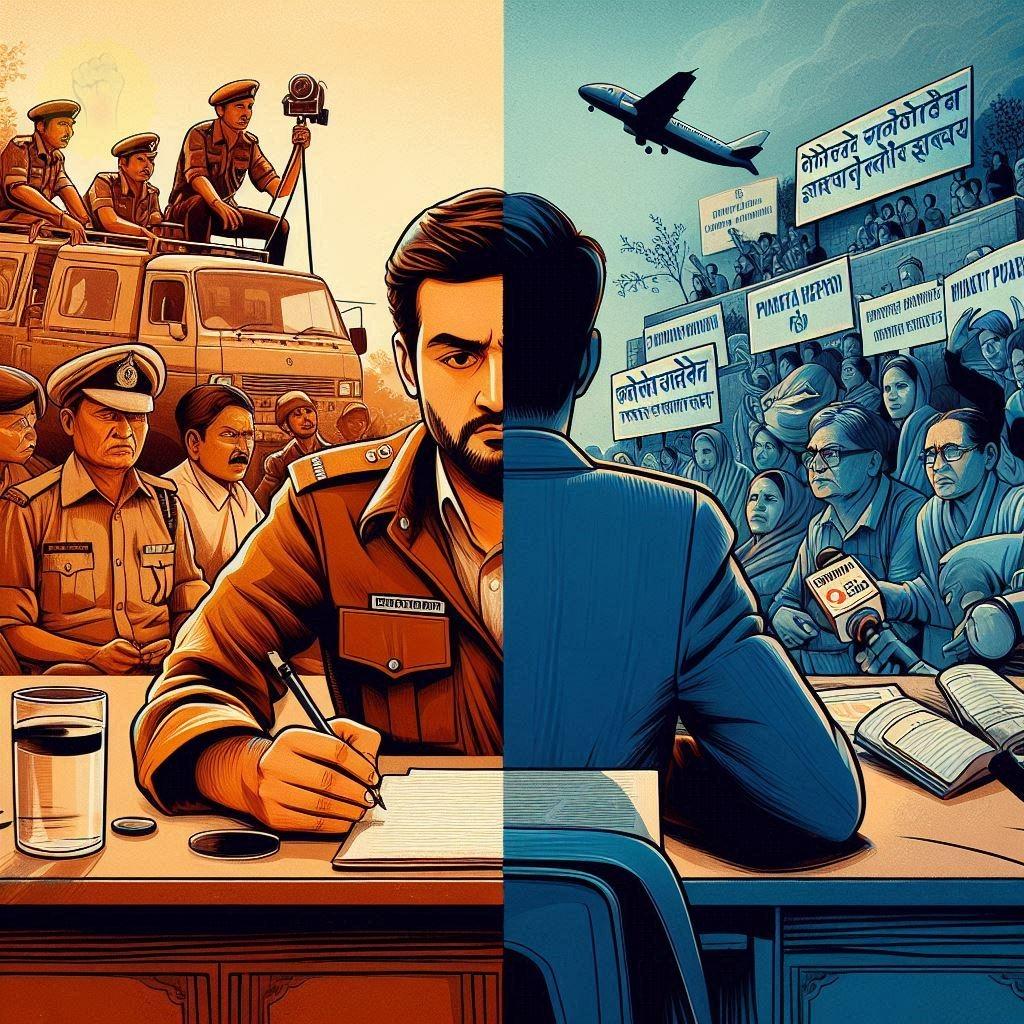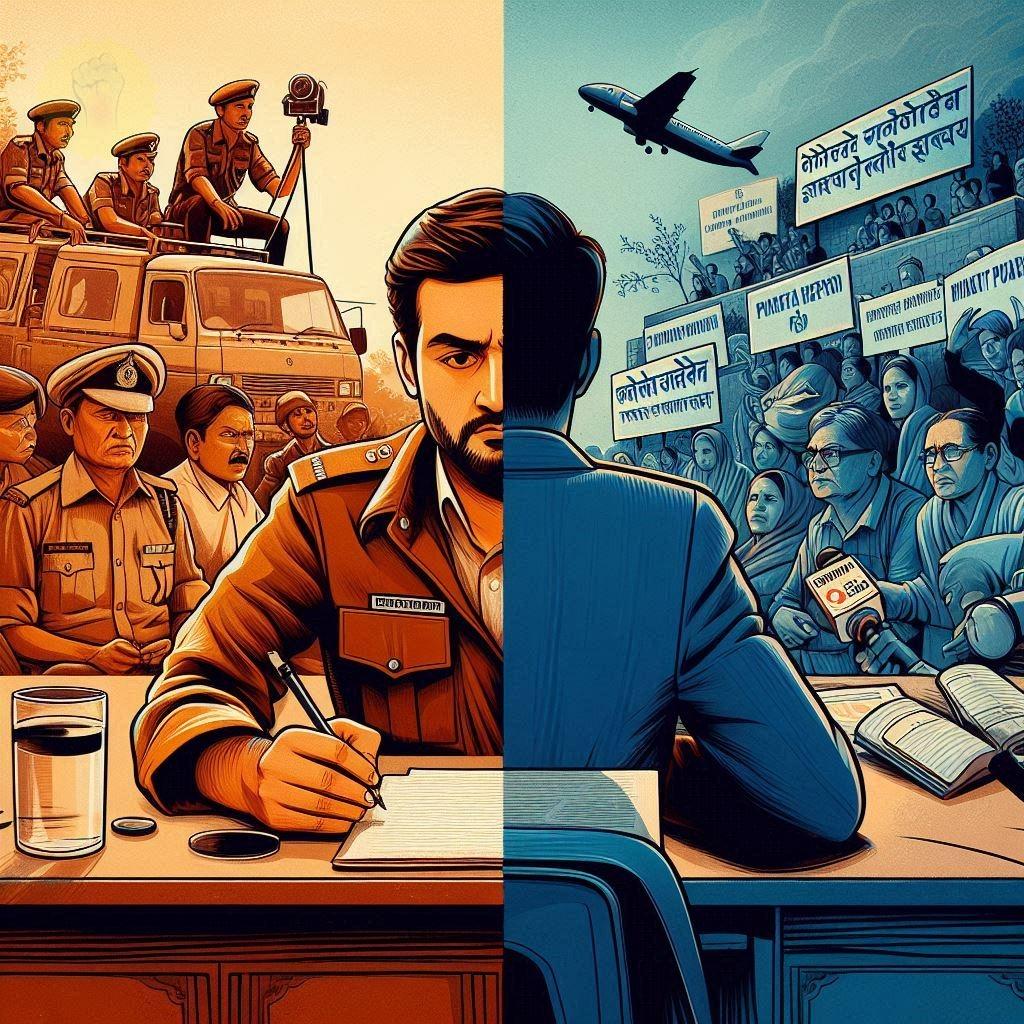


• Is the Media Shifting From Being a Watchdog to Becoming More like a Pet Dog? Do you Believe It?

    1. Loss of Investigative Integrity
    Watchdog: In the early 2000s, major investigative pieces like The Washington Post's reporting on the Watergate scandal exemplified the media's role in holding powerful entities accountable.

    Pet Dog Shift: Today, many news outlets focus on sensationalist stories, such as celebrity gossip or viral internet trends. For example, coverage of celebrity feuds often overshadows critical issues like climate change or healthcare policy.

    2. Sensationalism and Entertainment
    Watchdog: Investigative documentaries, like The Fog of War, explore significant historical events and their implications, fostering a deeper understanding of complex issues.

    Pet Dog Shift: Reality TV and sensationalist news programs often prioritize entertainment over substance. Shows like The Real Housewives can dominate airtime, drawing viewers away from important discussions about political or social issues.

    3. Corporate Influence
    Watchdog: Major newspapers historically have reported on corporate scandals, like the Enron scandal, holding companies accountable for their actions.

    Pet Dog Shift: Many media outlets now rely heavily on advertising revenue from corporations, which can lead to biased reporting. For instance, coverage of pharmaceutical companies may downplay negative side effects of drugs that these companies advertise heavily.

    4. Audience Engagement and Polarization
    Watchdog: Programs like PBS NewsHour strive to provide balanced reporting, helping audiences understand multiple sides of complex issues.

    Pet Dog Shift: Outlets like Fox News and cater to specific political audiences, often reinforcing existing beliefs rather than challenging them. This can create polarized views and echo chambers, where audiences only hear perspectives that align with their own.

    5. Public Trust and Responsibility
    Watchdog: The investigative reporting surrounding the Flint water crisis helped bring national attention to the issue and demand accountability from local officials.

    Pet Dog Shift: The spread of misinformation during the COVID-19 pandemic, often through sensational headlines or unverified claims, eroded public trust in media. Many people found themselves confused about the facts due to conflicting reports focused more on generating clicks than on accuracy.

    Conclusion
    The shift of media from a watchdog to a pet dog illustrates a significant change in how information is presented and consumed. While sensationalism and entertainment value have their place, the essential role of media in informing the public and holding power accountable remains crucial. Moving forward, there’s a pressing need for media outlets to prioritize integrity, accuracy, and depth in reporting to rebuild trust and foster informed citizenship.

    #BharatAawaz#Voice of India#Voice of People
    Is the Media Shifting From Being a Watchdog to Becoming More like a Pet Dog? Do you Believe It? 1. Loss of Investigative Integrity Watchdog: In the early 2000s, major investigative pieces like The Washington Post's reporting on the Watergate scandal exemplified the media's role in holding powerful entities accountable. Pet Dog Shift: Today, many news outlets focus on sensationalist stories, such as celebrity gossip or viral internet trends. For example, coverage of celebrity feuds often overshadows critical issues like climate change or healthcare policy. 2. Sensationalism and Entertainment Watchdog: Investigative documentaries, like The Fog of War, explore significant historical events and their implications, fostering a deeper understanding of complex issues. Pet Dog Shift: Reality TV and sensationalist news programs often prioritize entertainment over substance. Shows like The Real Housewives can dominate airtime, drawing viewers away from important discussions about political or social issues. 3. Corporate Influence Watchdog: Major newspapers historically have reported on corporate scandals, like the Enron scandal, holding companies accountable for their actions. Pet Dog Shift: Many media outlets now rely heavily on advertising revenue from corporations, which can lead to biased reporting. For instance, coverage of pharmaceutical companies may downplay negative side effects of drugs that these companies advertise heavily. 4. Audience Engagement and Polarization Watchdog: Programs like PBS NewsHour strive to provide balanced reporting, helping audiences understand multiple sides of complex issues. Pet Dog Shift: Outlets like Fox News and cater to specific political audiences, often reinforcing existing beliefs rather than challenging them. This can create polarized views and echo chambers, where audiences only hear perspectives that align with their own. 5. Public Trust and Responsibility Watchdog: The investigative reporting surrounding the Flint water crisis helped bring national attention to the issue and demand accountability from local officials. Pet Dog Shift: The spread of misinformation during the COVID-19 pandemic, often through sensational headlines or unverified claims, eroded public trust in media. Many people found themselves confused about the facts due to conflicting reports focused more on generating clicks than on accuracy. Conclusion The shift of media from a watchdog to a pet dog illustrates a significant change in how information is presented and consumed. While sensationalism and entertainment value have their place, the essential role of media in informing the public and holding power accountable remains crucial. Moving forward, there’s a pressing need for media outlets to prioritize integrity, accuracy, and depth in reporting to rebuild trust and foster informed citizenship. #BharatAawaz#Voice of India#Voice of People
    0 Comments 0 Shares 2K Views 0 Reviews
  • Stories of Brave Journalists Who Changed Society!

    Journalists play a powerful role in society by bringing out the truth and holding those in power accountable. Some reporters have gone beyond just telling stories—they have made a real impact, changing lives and even shaping the future of communities, countries, and the world.
    Journalists Who Made a Difference
    There are many examples of journalists, both in India and around the world, who have faced challenges and risks to report on issues that mattered. They have exposed corruption, stood up for human rights, and helped bring justice to the oppressed.
    Example: In India, repporter, an investigative journalist, exposed the involvement of high-level officials in the Gujarat riots through her work, despite facing threats to her life. Her brave reporting shone a light on serious human rights violations and called for accountability from powerful figures.
    Success Stories from Bharat Aawaz
    At BHARAT AAWAZ, we also have reporters who are making a real difference. Through their reporting, they have helped communities solve problems and raised awareness about important issues. Their work has empowered people to stand up for themselves and demand change.
    For example, one of our reporters, uncovered issues in rural education in Thanks to their reporting, local authorities took notice and improved school facilities, benefiting hundreds of children.
    #Bharat Aawaz
    Stories of Brave Journalists Who Changed Society! Journalists play a powerful role in society by bringing out the truth and holding those in power accountable. Some reporters have gone beyond just telling stories—they have made a real impact, changing lives and even shaping the future of communities, countries, and the world. Journalists Who Made a Difference There are many examples of journalists, both in India and around the world, who have faced challenges and risks to report on issues that mattered. They have exposed corruption, stood up for human rights, and helped bring justice to the oppressed. Example: In India, repporter, an investigative journalist, exposed the involvement of high-level officials in the Gujarat riots through her work, despite facing threats to her life. Her brave reporting shone a light on serious human rights violations and called for accountability from powerful figures. Success Stories from Bharat Aawaz At BHARAT AAWAZ, we also have reporters who are making a real difference. Through their reporting, they have helped communities solve problems and raised awareness about important issues. Their work has empowered people to stand up for themselves and demand change. For example, one of our reporters, uncovered issues in rural education in Thanks to their reporting, local authorities took notice and improved school facilities, benefiting hundreds of children. #Bharat Aawaz
    0 Comments 0 Shares 1K Views 0 Reviews
  • సమాజాన్ని మార్చిన ధైర్యవంతులైన రిపోర్టర్ల కథలు!

    రిపోర్టర్లు సమాజంలో సత్యాన్ని వెలుగులోకి తీసుకురావడంలో మరియు అధికారంలో ఉన్నవారిని బాధ్యత వహింపజేయడంలో కీలక పాత్ర పోషిస్తారు. కొంతమంది రిపోర్టర్లు కథలు చెబుతున్నందుకు మాత్రమే కాకుండా, నిజంగా ప్రభావం చూపించారు. వారు జీవితాలను మార్చి, సమాజం, దేశాలు మరియు ప్రపంచ భవిష్యత్తును కూడా ప్రభావితం చేశారు.
    ప్రభావాన్ని చూపిన రిపోర్టర్లు
    భారతదేశంలో మరియు ప్రపంచ వ్యాప్తంగా, రిపోర్టర్లు ఎదుర్కొన్న సవాళ్లు మరియు ప్రమాదాలు ఎన్నో ఉన్నాయి. వారిలో చాలా మంది అవినీతిని బహిర్గతం చేసి, మానవ హక్కుల కోసం నిలబడి, పీడింపబడిన వారికి న్యాయం పొందేందుకు సహాయం చేశారు.
    ఉదాహరణ: భారతదేశంలో, పరిశోధనాత్మక రిపోర్టర్ రాణా అయ్యూబ్ గుజరాత్ అల్లర్లలో ఉన్న ఉన్నతాధికారుల పాత్రను తాను తీసుకున్న అంశాల ద్వారా బయటపెట్టారు. ఈ విషయం బయటపెట్టినప్పటికీ, ఆమెకు ప్రాణ హానులు ఎదురయ్యాయి. ఆమె ధైర్యవంతమైన కథనాలు తీవ్రమైన మానవ హక్కుల ఉల్లంఘనలపై వెలుగుపెట్టాయి మరియు శక్తివంతులైన వ్యక్తుల నుండి సమాధానం తీసుకోవడానికి మార్గం చూపింది.
    భారత ఆవాజ్ నుండి విజయ కథలు
    భారత ఆవాజ్ లో కూడా మన వద్ద నమ్మశక్యంకాని మార్పులను కలిగించిన రిపోర్టర్లు ఉన్నారు. వారి కథనాల ద్వారా, వారు సంఘాల్లోని సమస్యలను పరిష్కరించడంలో సహాయం చేసి, ముఖ్యమైన విషయాలపై అవగాహన పెంచారు. వారి పనితో ప్రజలు తమ హక్కుల కోసం నిలబడి, మార్పు కోసం డిమాండ్ చేసే స్థాయికి వచ్చారు.
    మా వర్గం నుండి ఒక రిపోర్టర్ ఒక గ్రామీణ విద్య సమస్యలను వెలుగులోకి తెచ్చారు. వారి కథనాల వల్ల స్థానిక అధికారి ప్రతిస్పందించి పాఠశాల సౌకర్యాలను మెరుగుపరిచారు, దీని ద్వారా వందల మంది పిల్లలకు ప్రయోజనం చేకూరింది.

    #Bharat Aawaz
    సమాజాన్ని మార్చిన ధైర్యవంతులైన రిపోర్టర్ల కథలు! రిపోర్టర్లు సమాజంలో సత్యాన్ని వెలుగులోకి తీసుకురావడంలో మరియు అధికారంలో ఉన్నవారిని బాధ్యత వహింపజేయడంలో కీలక పాత్ర పోషిస్తారు. కొంతమంది రిపోర్టర్లు కథలు చెబుతున్నందుకు మాత్రమే కాకుండా, నిజంగా ప్రభావం చూపించారు. వారు జీవితాలను మార్చి, సమాజం, దేశాలు మరియు ప్రపంచ భవిష్యత్తును కూడా ప్రభావితం చేశారు. ప్రభావాన్ని చూపిన రిపోర్టర్లు భారతదేశంలో మరియు ప్రపంచ వ్యాప్తంగా, రిపోర్టర్లు ఎదుర్కొన్న సవాళ్లు మరియు ప్రమాదాలు ఎన్నో ఉన్నాయి. వారిలో చాలా మంది అవినీతిని బహిర్గతం చేసి, మానవ హక్కుల కోసం నిలబడి, పీడింపబడిన వారికి న్యాయం పొందేందుకు సహాయం చేశారు. ఉదాహరణ: భారతదేశంలో, పరిశోధనాత్మక రిపోర్టర్ రాణా అయ్యూబ్ గుజరాత్ అల్లర్లలో ఉన్న ఉన్నతాధికారుల పాత్రను తాను తీసుకున్న అంశాల ద్వారా బయటపెట్టారు. ఈ విషయం బయటపెట్టినప్పటికీ, ఆమెకు ప్రాణ హానులు ఎదురయ్యాయి. ఆమె ధైర్యవంతమైన కథనాలు తీవ్రమైన మానవ హక్కుల ఉల్లంఘనలపై వెలుగుపెట్టాయి మరియు శక్తివంతులైన వ్యక్తుల నుండి సమాధానం తీసుకోవడానికి మార్గం చూపింది. భారత ఆవాజ్ నుండి విజయ కథలు భారత ఆవాజ్ లో కూడా మన వద్ద నమ్మశక్యంకాని మార్పులను కలిగించిన రిపోర్టర్లు ఉన్నారు. వారి కథనాల ద్వారా, వారు సంఘాల్లోని సమస్యలను పరిష్కరించడంలో సహాయం చేసి, ముఖ్యమైన విషయాలపై అవగాహన పెంచారు. వారి పనితో ప్రజలు తమ హక్కుల కోసం నిలబడి, మార్పు కోసం డిమాండ్ చేసే స్థాయికి వచ్చారు. మా వర్గం నుండి ఒక రిపోర్టర్ ఒక గ్రామీణ విద్య సమస్యలను వెలుగులోకి తెచ్చారు. వారి కథనాల వల్ల స్థానిక అధికారి ప్రతిస్పందించి పాఠశాల సౌకర్యాలను మెరుగుపరిచారు, దీని ద్వారా వందల మంది పిల్లలకు ప్రయోజనం చేకూరింది. #Bharat Aawaz
    0 Comments 0 Shares 84 Views 0 Reviews
  • The Role of Journalism in Democracy!
    Why Journalism Matters!

    Journalism is often called the "fourth pillar of democracy" because it plays a crucial role in maintaining transparency, accountability, and truth in society. Reporters act as watchdogs, constantly monitoring the actions of governments, corporations, and other institutions to ensure that the people in power don’t misuse their authority.
    Example: When reporters expose corruption in government contracts or investigate unethical practices in big corporations, they help keep the system honest. For instance, in India, the Commonwealth Games scam was uncovered by the media, where journalists brought to light the misuse of public funds in organizing the event. This exposure forced authorities to take action and prosecute those involved.
    In a democracy, people have the right to know what their leaders and institutions are doing, and journalism makes sure that this right is protected. Without reporters bringing important issues to light, many acts of corruption or injustice might go unnoticed, harming the very foundation of democracy.
    Freedom of Press and Its Challenges
    Press freedom is essential for reporters to do their jobs without fear of censorship or retribution. A free press ensures that journalists can report the truth without being controlled or influenced by powerful entities like the government or corporations.
    However, defending this freedom is often challenging. Many journalists face threats, intimidation, and even violence for their reporting. In some cases, governments impose restrictions on the media, limiting what they can report.
    Example: Globally, we’ve seen journalists face repression for exposing the truth. In countries like Russia, investigative reporters like Anna Politkovskaya were silenced because they exposed human rights abuses and government corruption. Closer to home, in India, reporters covering issues like environmental damage caused by industries or political corruption often face harassment or legal threats. This shows how difficult it can be for journalists to operate in certain environments.
    Despite these challenges, it’s important for journalists to defend their rights to free speech and press freedom. Organizations like Reporters Without Borders and The Committee to Protect Journalists work tirelessly to support reporters who are under threat, advocating for their protection and the preservation of free press around the world.

    Conclusion: Why Reporters Must Keep Fighting for Democracy
    In a democracy, the role of reporters goes beyond just telling stories. They are the voice of the people, revealing hidden truths, challenging power, and standing up for justice. Without their dedication, many crucial issues would remain in the shadows, weakening the foundation of democratic societies.
    Reporters not only have to work in difficult and often dangerous conditions, but they must also stand firm in the face of censorship and intimidation to ensure that the truth is always brought to light. Their work ensures that democracy remains strong, accountable, and transparent for all citizens.

    #Bharat Aawaz
    The Role of Journalism in Democracy! Why Journalism Matters! Journalism is often called the "fourth pillar of democracy" because it plays a crucial role in maintaining transparency, accountability, and truth in society. Reporters act as watchdogs, constantly monitoring the actions of governments, corporations, and other institutions to ensure that the people in power don’t misuse their authority. Example: When reporters expose corruption in government contracts or investigate unethical practices in big corporations, they help keep the system honest. For instance, in India, the Commonwealth Games scam was uncovered by the media, where journalists brought to light the misuse of public funds in organizing the event. This exposure forced authorities to take action and prosecute those involved. In a democracy, people have the right to know what their leaders and institutions are doing, and journalism makes sure that this right is protected. Without reporters bringing important issues to light, many acts of corruption or injustice might go unnoticed, harming the very foundation of democracy. Freedom of Press and Its Challenges Press freedom is essential for reporters to do their jobs without fear of censorship or retribution. A free press ensures that journalists can report the truth without being controlled or influenced by powerful entities like the government or corporations. However, defending this freedom is often challenging. Many journalists face threats, intimidation, and even violence for their reporting. In some cases, governments impose restrictions on the media, limiting what they can report. Example: Globally, we’ve seen journalists face repression for exposing the truth. In countries like Russia, investigative reporters like Anna Politkovskaya were silenced because they exposed human rights abuses and government corruption. Closer to home, in India, reporters covering issues like environmental damage caused by industries or political corruption often face harassment or legal threats. This shows how difficult it can be for journalists to operate in certain environments. Despite these challenges, it’s important for journalists to defend their rights to free speech and press freedom. Organizations like Reporters Without Borders and The Committee to Protect Journalists work tirelessly to support reporters who are under threat, advocating for their protection and the preservation of free press around the world. Conclusion: Why Reporters Must Keep Fighting for Democracy In a democracy, the role of reporters goes beyond just telling stories. They are the voice of the people, revealing hidden truths, challenging power, and standing up for justice. Without their dedication, many crucial issues would remain in the shadows, weakening the foundation of democratic societies. Reporters not only have to work in difficult and often dangerous conditions, but they must also stand firm in the face of censorship and intimidation to ensure that the truth is always brought to light. Their work ensures that democracy remains strong, accountable, and transparent for all citizens. #Bharat Aawaz
    0 Comments 0 Shares 762 Views 0 Reviews
  • డెమోక్రసీలో జర్నలిజం యొక్క పాత్ర!
    జర్నలిజం ఎందుకు ముఖ్యం?

    జర్నలిజం "డెమోక్రసీ యొక్క నాల్గవ శ్రేణి" అని తరచుగా అంటారు, ఎందుకంటే ఇది సమాజంలో పారదర్శకత, జవాబుదారీదారితనం మరియు సత్యాన్ని కొనసాగించడానికి ముఖ్యమైన పాత్ర పోషిస్తుంది. రిపోర్టర్లు వాచ్‌డాగ్‌లుగా పనిచేస్తారు, ప్రభుత్వాలు, సంస్థలు మరియు ఇతర సంస్థల చర్యలను నిరంతరం పర్యవేక్షిస్తూ అధికారంలో ఉన్న వ్యక్తులు తమ అధికారాన్ని దుర్వినియోగం చేయకుండా చూసుకుంటారు.
    ఉదాహరణ: రిపోర్టర్లు ప్రభుత్వ ఒప్పందాలలో అవినీతి బయటపెట్టడం లేదా పెద్ద కంపెనీలలో అనైతిక ప్రవర్తనలను పరిశీలించడం ద్వారా వ్యవస్థను నిజంగా ఉంచడంలో సహాయపడతారు. ఉదాహరణకు, భారతదేశంలో కామన్వెల్త్ గేమ్స్ కుంభకోణం మాధ్యమం ద్వారా వెలుగులోకి వచ్చింది, ఇక్కడ జర్నలిస్టులు ఈ కార్యక్రమాన్ని నిర్వహించడంలో ప్రజా నిధుల మిస్యూస్ గురించి వెల్లడించారు. ఈ బయటపడటం అధికారులను చర్య తీసుకునేలా మరియు సంబంధిత వారిని నిందించడంForced చేసింది.
    ఒక డెమోక్రసీలో, ప్రజలకు వారి నాయకులు మరియు సంస్థలు ఏమి చేస్తున్నారో తెలుసుకునే హక్కు ఉంది, మరియు జర్నలిజం ఈ హక్కు రక్షించడం ఖచ్చితంగా చేస్తుంది. ముఖ్యమైన విషయాలను రిపోర్టర్లు వెలుగులోకి రాకుండా ఉంచితే, అనేక అవినీతి లేదా అన్యాయాలు గమనించబడకపోవచ్చు, ఇది డెమోక్రసీ యొక్క ప్రాతిపదికను హాని చేస్తుంది.
    ప్రెస్ స్వేచ్ఛ మరియు దాని సవాళ్లు
    రిపోర్టర్లు తమ పని చేయడానికి భయముతో లేకుండా పనిచేయడానికి ప్రెస్ స్వేచ్ఛ అవసరం. ఒక స్వతంత్ర ప్రెస్, జర్నలిస్టులు నిజాలను నివేదించడానికి ప్రభుత్వ లేదా సంస్థల ప్రభావం లేకుండా చేయగలగడం నిర్ధారిస్తుంది.
    అయితే, ఈ స్వేచ్ఛను కాపాడడం చాలాసార్లు కష్టం. అనేక జర్నలిస్టులు తమ నివేదనలకు బెదిరింపులు, intimidation, మరియు తార్కికంగా అహంకారానికి గురవుతారు. కొన్ని సందర్భాలలో, ప్రభుత్వాలు మీడియాపై పరిమితులను విధించడం ద్వారా వారు నివేదించగల విషయాలను అడ్డుకుంటాయి.
    ఉదాహరణ: ప్రపంచ వ్యాప్తంగా, నిజాన్ని వెలుగులోకి తీసుకువచ్చినందుకు జర్నలిస్టులు దౌర్బల్యానికి గురవుతుండటం చూశాము. రష్యా వంటి దేశాలలో, అన్నా పాలిట్కోవ్స్కయా వంటి అన్వేషణ జర్నలిస్టులు మానవ హక్కుల ఉల్లంఘనలు మరియు ప్రభుత్వ అవినీతి వెలుగులోకి తెచ్చినందుకు మౌనంగా చేసినారు. ఇండియాలో, పరిశ్రమల కారణంగా పర్యావరణ నష్టాలను లేదా రాజకీయ అవినీతిని కవరింగ్ చేసే రిపోర్టర్లు తరచూ వేధింపులు లేదా చట్టపరమైన బెదిరింపులను ఎదుర్కొంటున్నారు. ఇది కొన్ని వాతావరణాల్లో జర్నలిస్టులకు పనిచేయడం ఎంత కష్టం ఉందో చూపిస్తుంది.
    ఈ సవాళ్లకు మించినా, జర్నలిస్టులు తమ మాట్లాడే హక్కు మరియు ప్రెస్ స్వేచ్ఛను కాపాడేందుకు పాఠ్యమును రక్షించడం చాలా ముఖ్యమైంది. రిపోర్టర్స్ వితౌట్ బోర్డర్స్ మరియు జర్నలిస్టుల పరిరక్షణా కమిటీ వంటి సంస్థలు బెదిరింపులకు గురైన రిపోర్టర్లకు మద్దతు ఇవ్వడానికి కష్టపడుతున్నాయి, వారి పరిరక్షణకు మరియు ప్రపంచ వ్యాప్తంగా స్వతంత్ర ప్రెస్ రక్షణకు వత్తిడి చేయడం.
    సంక్షేపం: రిపోర్టర్లు డెమోక్రసీ కోసం ఎందుకు పోరాడాలి
    ఒక డెమోక్రసీలో, రిపోర్టర్ల పాత్ర కేవలం కథలు చెప్పడానికే పరిమితం కాదు. వారు ప్రజల గొంతు, దాచబడిన సత్యాలను వెలుగులోకి తీసుకురావడం, అధికారాన్ని సవాలు చేయడం మరియు న్యాయాన్ని నిలబెట్టడం చేస్తున్నారు. వారి అంకితభావం లేకుండా, అనేక కీలక అంశాలు చీకటిలోనే ఉండే అవకాశం ఉంది, ఇది డెమోక్రటిక్ సమాజాల ప్రాతిపదికను బలహీనపరుస్తుంది.
    రిపోర్టర్లు కష్టమైన మరియు తరచూ ప్రమాదకరమైన పరిస్థితుల్లో పనిచేయాల్సిన అవసరం మాత్రమే కాదు, వారు నిజం ఎప్పుడూ వెలుగులోకి రానీయేలా చేయడానికి మౌన మరియు బెదిరింపులను ఎదుర్కొని నిలబడాలి. వారి పని డెమోక్రసీని అన్ని పౌరుల కోసం శక్తివంతమైన, బాధ్యతాయుతమైన, మరియు పారదర్శకంగా ఉంచుతుంది.

    #Bharat Aawaz
    డెమోక్రసీలో జర్నలిజం యొక్క పాత్ర! జర్నలిజం ఎందుకు ముఖ్యం? జర్నలిజం "డెమోక్రసీ యొక్క నాల్గవ శ్రేణి" అని తరచుగా అంటారు, ఎందుకంటే ఇది సమాజంలో పారదర్శకత, జవాబుదారీదారితనం మరియు సత్యాన్ని కొనసాగించడానికి ముఖ్యమైన పాత్ర పోషిస్తుంది. రిపోర్టర్లు వాచ్‌డాగ్‌లుగా పనిచేస్తారు, ప్రభుత్వాలు, సంస్థలు మరియు ఇతర సంస్థల చర్యలను నిరంతరం పర్యవేక్షిస్తూ అధికారంలో ఉన్న వ్యక్తులు తమ అధికారాన్ని దుర్వినియోగం చేయకుండా చూసుకుంటారు. ఉదాహరణ: రిపోర్టర్లు ప్రభుత్వ ఒప్పందాలలో అవినీతి బయటపెట్టడం లేదా పెద్ద కంపెనీలలో అనైతిక ప్రవర్తనలను పరిశీలించడం ద్వారా వ్యవస్థను నిజంగా ఉంచడంలో సహాయపడతారు. ఉదాహరణకు, భారతదేశంలో కామన్వెల్త్ గేమ్స్ కుంభకోణం మాధ్యమం ద్వారా వెలుగులోకి వచ్చింది, ఇక్కడ జర్నలిస్టులు ఈ కార్యక్రమాన్ని నిర్వహించడంలో ప్రజా నిధుల మిస్యూస్ గురించి వెల్లడించారు. ఈ బయటపడటం అధికారులను చర్య తీసుకునేలా మరియు సంబంధిత వారిని నిందించడంForced చేసింది. ఒక డెమోక్రసీలో, ప్రజలకు వారి నాయకులు మరియు సంస్థలు ఏమి చేస్తున్నారో తెలుసుకునే హక్కు ఉంది, మరియు జర్నలిజం ఈ హక్కు రక్షించడం ఖచ్చితంగా చేస్తుంది. ముఖ్యమైన విషయాలను రిపోర్టర్లు వెలుగులోకి రాకుండా ఉంచితే, అనేక అవినీతి లేదా అన్యాయాలు గమనించబడకపోవచ్చు, ఇది డెమోక్రసీ యొక్క ప్రాతిపదికను హాని చేస్తుంది. ప్రెస్ స్వేచ్ఛ మరియు దాని సవాళ్లు రిపోర్టర్లు తమ పని చేయడానికి భయముతో లేకుండా పనిచేయడానికి ప్రెస్ స్వేచ్ఛ అవసరం. ఒక స్వతంత్ర ప్రెస్, జర్నలిస్టులు నిజాలను నివేదించడానికి ప్రభుత్వ లేదా సంస్థల ప్రభావం లేకుండా చేయగలగడం నిర్ధారిస్తుంది. అయితే, ఈ స్వేచ్ఛను కాపాడడం చాలాసార్లు కష్టం. అనేక జర్నలిస్టులు తమ నివేదనలకు బెదిరింపులు, intimidation, మరియు తార్కికంగా అహంకారానికి గురవుతారు. కొన్ని సందర్భాలలో, ప్రభుత్వాలు మీడియాపై పరిమితులను విధించడం ద్వారా వారు నివేదించగల విషయాలను అడ్డుకుంటాయి. ఉదాహరణ: ప్రపంచ వ్యాప్తంగా, నిజాన్ని వెలుగులోకి తీసుకువచ్చినందుకు జర్నలిస్టులు దౌర్బల్యానికి గురవుతుండటం చూశాము. రష్యా వంటి దేశాలలో, అన్నా పాలిట్కోవ్స్కయా వంటి అన్వేషణ జర్నలిస్టులు మానవ హక్కుల ఉల్లంఘనలు మరియు ప్రభుత్వ అవినీతి వెలుగులోకి తెచ్చినందుకు మౌనంగా చేసినారు. ఇండియాలో, పరిశ్రమల కారణంగా పర్యావరణ నష్టాలను లేదా రాజకీయ అవినీతిని కవరింగ్ చేసే రిపోర్టర్లు తరచూ వేధింపులు లేదా చట్టపరమైన బెదిరింపులను ఎదుర్కొంటున్నారు. ఇది కొన్ని వాతావరణాల్లో జర్నలిస్టులకు పనిచేయడం ఎంత కష్టం ఉందో చూపిస్తుంది. ఈ సవాళ్లకు మించినా, జర్నలిస్టులు తమ మాట్లాడే హక్కు మరియు ప్రెస్ స్వేచ్ఛను కాపాడేందుకు పాఠ్యమును రక్షించడం చాలా ముఖ్యమైంది. రిపోర్టర్స్ వితౌట్ బోర్డర్స్ మరియు జర్నలిస్టుల పరిరక్షణా కమిటీ వంటి సంస్థలు బెదిరింపులకు గురైన రిపోర్టర్లకు మద్దతు ఇవ్వడానికి కష్టపడుతున్నాయి, వారి పరిరక్షణకు మరియు ప్రపంచ వ్యాప్తంగా స్వతంత్ర ప్రెస్ రక్షణకు వత్తిడి చేయడం. సంక్షేపం: రిపోర్టర్లు డెమోక్రసీ కోసం ఎందుకు పోరాడాలి ఒక డెమోక్రసీలో, రిపోర్టర్ల పాత్ర కేవలం కథలు చెప్పడానికే పరిమితం కాదు. వారు ప్రజల గొంతు, దాచబడిన సత్యాలను వెలుగులోకి తీసుకురావడం, అధికారాన్ని సవాలు చేయడం మరియు న్యాయాన్ని నిలబెట్టడం చేస్తున్నారు. వారి అంకితభావం లేకుండా, అనేక కీలక అంశాలు చీకటిలోనే ఉండే అవకాశం ఉంది, ఇది డెమోక్రటిక్ సమాజాల ప్రాతిపదికను బలహీనపరుస్తుంది. రిపోర్టర్లు కష్టమైన మరియు తరచూ ప్రమాదకరమైన పరిస్థితుల్లో పనిచేయాల్సిన అవసరం మాత్రమే కాదు, వారు నిజం ఎప్పుడూ వెలుగులోకి రానీయేలా చేయడానికి మౌన మరియు బెదిరింపులను ఎదుర్కొని నిలబడాలి. వారి పని డెమోక్రసీని అన్ని పౌరుల కోసం శక్తివంతమైన, బాధ్యతాయుతమైన, మరియు పారదర్శకంగా ఉంచుతుంది. #Bharat Aawaz
    0 Comments 0 Shares 85 Views 0 Reviews
  • Skills and Techniques for Better Reporting!
    Investigative Journalism Tips

    Investigative journalism involves in-depth research and thorough reporting to uncover truths that might not be easily accessible. Here are some practical tips to enhance your investigative reporting skills:
    • Research Thoroughly: Start with background research on the topic. Utilize public records, academic articles, and previous news reports to build a solid foundation of knowledge. This will help you understand the context and identify key areas to explore further.
    Example: If investigating a local environmental issue, examine government reports, pollution data, and previous articles about the area to identify potential problems and stakeholders involved.
    • Build Trusting Relationships with Sources: Establish a rapport with potential sources, whether they are whistleblowers, experts, or witnesses. Trust is crucial in investigative journalism, as many sources may be hesitant to share sensitive information.
    Example: A reporter investigating corruption in a government agency may spend time talking informally with employees to build trust before asking them for detailed information about their experiences.
    • Ask Open-Ended Questions: When interviewing sources, ask open-ended questions that encourage them to share detailed information. Avoid yes/no questions, as they limit the depth of responses.
    Example: Instead of asking, "Did you witness any corruption?" you could ask, "Can you describe what you observed regarding the allocation of funds in your department?"
    • Verify Information: Cross-check information from multiple sources to ensure its accuracy. Investigative reporting often involves piecing together information from various angles.
    Example: If a source claims there is corruption in a contract awarded to a company, the reporter should seek out official documents, financial records, and additional sources to confirm this claim before publishing.
    Interviewing Techniques
    Conducting effective interviews is a crucial skill for reporters. Here are some tips to improve your interviewing techniques:
    • Prepare in Advance: Research your interviewee and the topic beforehand. This preparation allows you to ask informed questions and engage in meaningful dialogue.
    Example: If interviewing a community leader about a new policy, familiarize yourself with the policy details and the leader's background to ask relevant and insightful questions.
    • Practice Active Listening: Pay close attention to your interviewee’s responses. Show interest by nodding, maintaining eye contact, and asking follow-up questions based on their answers. This approach not only builds rapport but can also lead to more profound insights.
    Example: If the interviewee mentions a personal experience related to the topic, you can ask, "How did that experience shape your views on the current situation?"
    • Observe Body Language: Non-verbal cues can provide valuable insights during an interview. Pay attention to the interviewee's body language, tone, and facial expressions, as they may indicate comfort or discomfort with certain topics.
    Example: If an interviewee becomes defensive or evasive when asked about a controversial issue, it may signal that they are hiding something. This can prompt you to ask more probing questions or consider their motives.
    • Create a Comfortable Environment: Make the interviewee feel at ease by choosing a comfortable setting and being respectful. This approach encourages them to open up and share more information.
    Example: If possible, conduct the interview in a quiet café or a relaxed environment where the interviewee feels safe and less pressured.

    #Bharat Aawaz
    Skills and Techniques for Better Reporting! Investigative Journalism Tips Investigative journalism involves in-depth research and thorough reporting to uncover truths that might not be easily accessible. Here are some practical tips to enhance your investigative reporting skills: • Research Thoroughly: Start with background research on the topic. Utilize public records, academic articles, and previous news reports to build a solid foundation of knowledge. This will help you understand the context and identify key areas to explore further. Example: If investigating a local environmental issue, examine government reports, pollution data, and previous articles about the area to identify potential problems and stakeholders involved. • Build Trusting Relationships with Sources: Establish a rapport with potential sources, whether they are whistleblowers, experts, or witnesses. Trust is crucial in investigative journalism, as many sources may be hesitant to share sensitive information. Example: A reporter investigating corruption in a government agency may spend time talking informally with employees to build trust before asking them for detailed information about their experiences. • Ask Open-Ended Questions: When interviewing sources, ask open-ended questions that encourage them to share detailed information. Avoid yes/no questions, as they limit the depth of responses. Example: Instead of asking, "Did you witness any corruption?" you could ask, "Can you describe what you observed regarding the allocation of funds in your department?" • Verify Information: Cross-check information from multiple sources to ensure its accuracy. Investigative reporting often involves piecing together information from various angles. Example: If a source claims there is corruption in a contract awarded to a company, the reporter should seek out official documents, financial records, and additional sources to confirm this claim before publishing. Interviewing Techniques Conducting effective interviews is a crucial skill for reporters. Here are some tips to improve your interviewing techniques: • Prepare in Advance: Research your interviewee and the topic beforehand. This preparation allows you to ask informed questions and engage in meaningful dialogue. Example: If interviewing a community leader about a new policy, familiarize yourself with the policy details and the leader's background to ask relevant and insightful questions. • Practice Active Listening: Pay close attention to your interviewee’s responses. Show interest by nodding, maintaining eye contact, and asking follow-up questions based on their answers. This approach not only builds rapport but can also lead to more profound insights. Example: If the interviewee mentions a personal experience related to the topic, you can ask, "How did that experience shape your views on the current situation?" • Observe Body Language: Non-verbal cues can provide valuable insights during an interview. Pay attention to the interviewee's body language, tone, and facial expressions, as they may indicate comfort or discomfort with certain topics. Example: If an interviewee becomes defensive or evasive when asked about a controversial issue, it may signal that they are hiding something. This can prompt you to ask more probing questions or consider their motives. • Create a Comfortable Environment: Make the interviewee feel at ease by choosing a comfortable setting and being respectful. This approach encourages them to open up and share more information. Example: If possible, conduct the interview in a quiet café or a relaxed environment where the interviewee feels safe and less pressured. #Bharat Aawaz
    0 Comments 0 Shares 139 Views 0 Reviews
  • మెరుగైన రిపోర్టింగ్‌కు నైపుణ్యాలు మరియు పద్ధతులు
    అన్వేషణాత్మక జర్నలిజం కోసం చిట్కాలు!

    అన్వేషణాత్మక జర్నలిజం అంటే సులభంగా అందుబాటులో లేని సత్యాలను వెలుగులోకి తీసుకురావడానికి లోతైన పరిశోధన మరియు సుస్పష్టమైన నివేదిక. మీ అన్వేషణాత్మక జర్నలిజం నైపుణ్యాలను మెరుగుపరచడానికి కొన్ని ఉపయోగకరమైన చిట్కాలు:
    • చూస్తూ పరిశోధించండి: మీరు పరిశీలిస్తున్న అంశంపై పూర్వపు పరిశోధన చేయడం ప్రారంభించండి. ప్రజా రికార్డులు, శాస్త్రీయ వ్యాసాలు మరియు పూర్వపు వార్తా నివేదికలను ఉపయోగించండి, ఇది మీకు మంచి అవగాహన అందిస్తుంది మరియు మరింత పరిశోధించాల్సిన కీలక ప్రాంతాలను గుర్తించడంలో సహాయపడుతుంది.
    ఉదాహరణ: ఒక ప్రాంతీయ పర్యావరణ సమస్యను పరిశీలిస్తే, ప్రభుత్వ నివేదికలు, కాలుష్య డేటా, మరియు ఆ ప్రాంతంపై పూర్వపు వ్యాసాలను చూడండి, ఇది సమస్యలు మరియు సంబంధిత వ్యక్తులను గుర్తించడంలో సహాయపడుతుంది.
    • మూలాలతో నమ్మకాన్ని నెలకొల్పండి: పలు మూలాల మధ్య సంబంధాన్ని ఏర్పరచండి, వీటిలో వాక్హాలర్లు, నిపుణులు, లేదా సాక్షులు ఉంటారు. అన్వేషణాత్మక జర్నలిజంలో నమ్మకం చాలా ముఖ్యమైంది, ఎందుకంటే చాలా మంది మూలాలు సున్నితమైన సమాచారం పంచుకోవడంలో కష్టపడతారు.
    ఉదాహరణ: ఒక ప్రభుత్వ సంస్థలో అవినీతి గురించి విచారిస్తున్న జర్నలిస్టు, ఉద్యోగులతో అనేక సార్లు అర్ధాంతర సంభాషణలు జరుపుతుంది, తద్వారా సూత్రం పంచుకునే విషయంలో నమ్మకాన్ని ఏర్పరుస్తాడు.
    • ఓపెన్-ఎండెడ్ ప్రశ్నలు అడగండి: మూలాలను ఇంటర్వ్యూ చేసేటప్పుడు, వారికి మరింత వివరంగా సమాచారం పంచుకునేలా ఓపెన్-ఎండెడ్ ప్రశ్నలు అడగండి. అవి హاں/కాదు ప్రశ్నలు కాకుండా ఉండాలి, ఎందుకంటే అవి సమాధానాల లోతు తగ్గిస్తాయి.
    ఉదాహరణ: "మీరు ఎప్పుడైనా అవినీతి చూసారా?" అని అడగడం బదులు, "మీ విభాగంలో నిధుల కేటాయింపుల గురించి మీరు చూసినది ఏమిటి?" అని అడగండి.
    • సమాచారాన్ని నిర్ధారించండి: సమాచారం యొక్క ఖచ్చితత్వాన్ని నిర్ధారించడానికి అనేక మూలాల నుండి క్రాస్-చెక్ చేయండి. అన్వేషణాత్మక జర్నలిజంలో పలు కోణాల నుండి సమాచారాన్ని సేకరించడం అవసరం.
    ఉదాహరణ: ఒక మూలం కంపెనీకి కేటాయించిన ఒప్పందంలో అవినీతి ఉందని చెప్పినప్పుడు, జర్నలిస్టు అధికారిక పత్రాలు, ఆర్థిక రికార్డులు మరియు ఇతర మూలాలను కనుగొని ఈ క్లెయిమ్‌ని నిర్ధారించాలి.
    ఇంటర్వ్యూ పద్ధతులు
    సరైన ఇంటర్వ్యూలు నిర్వహించడం రిపోర్టర్ల కోసం చాలా ముఖ్యం. మీ ఇంటర్వ్యూ నైపుణ్యాలను మెరుగుపరచడానికి కొన్ని చిట్కాలు:
    • ముందుగా సిద్ధమవ్వండి: మీ ఇంటర్వ్యూలో పాల్గొనబోయే వ్యక్తి మరియు ఆ అంశంపై ముందుగానే పరిశోధన చేయండి. ఇది మీకు సమాచారపూరితమైన ప్రశ్నలు అడగడానికి మరియు ప్రాధమిక సంభాషణను కొనసాగించడానికి సహాయపడుతుంది.
    ఉదాహరణ: కొత్త విధానం గురించి ఒక సమాజ నాయకుడిని ఇంటర్వ్యూ చేస్తే, ఆ విధానం వివరాలు మరియు నాయకుడి నేపథ్యం గురించి తెలుసుకుని సంబంధిత ప్రశ్నలు అడగండి.
    • సక్రియమైన వినయం ప్రదర్శించండి: మీ ఇంటర్వ్యూలో పాల్గొనే వ్యక్తి సమాధానాలను జాగ్రత్తగా వినండి. వారి సమాధానాలకు ప్రస్తావనలు ఇవ్వడం, కంటికి కంటిని కలపడం, మరియు వారి సమాధానాల ఆధారంగా ఫాలో-అప్ ప్రశ్నలు అడగడం ద్వారా ఆసక్తిని చూపండి. ఈ విధానం నమ్మకాన్ని నిర్మించడమే కాకుండా, మరింత లోతైన అవగాహనకు దారితీయవచ్చు.
    ఉదాహరణ: ఇంటర్వ్యూలో పాల్గొనే వ్యక్తి దానితో సంబంధం ఉన్న వ్యక్తిగత అనుభవాన్ని ప్రస్తావించినప్పుడు, "ఆ అనుభవం మీ ప్రస్తుత పరిస్థితులపై మీ అభిప్రాయాలను ఎలా ఆకర్షించిందో చెప్పండి" అని అడగండి.
    • శరీర భాషను గమనించండి: ఇంటర్వ్యూలో ఉన్న సమయంలో, శరీర భాష, స్వరం మరియు ముఖభావాల మీద దృష్టి పెట్టండి. ఇవి కొన్ని అంశాలపై అనుకూలత లేదా వ్యతిరేకతను సూచించవచ్చు.
    ఉదాహరణ: ఒక ఇంటర్వ్యూలో పాల్గొనే వ్యక్తి వివాదాస్పద విషయాన్ని అడిగినప్పుడు, వారు రక్షకంగా లేదా అస్పష్టంగా మారినట్లయితే, అది వారు ఏదైనా దాచుతున్నారని సంకేతం కావచ్చు. ఇది మీకు మరింత తీయ్యైన ప్రశ్నలు అడగటానికి లేదా వారి ఉద్దేశాలను పరిగణనలోకి తీసుకోవటానికి ప్రేరేపించవచ్చు.
    • సౌకర్యంగా ఉన్న వాతావరణం సృష్టించండి: ఇంటర్వ్యూలో పాల్గొనే వ్యక్తిని సౌకర్యంగా భావించేలా చేయండి, సౌకర్యవంతమైన ప్రదేశాన్ని ఎంచుకోవడం మరియు గౌరవం చూపించడం ద్వారా. ఈ విధానం వారికి ఎక్కువ సమాచారం పంచుకునేందుకు ప్రేరణ ఇస్తుంది.
    ఉదాహరణ: సాధ్యమైతే, ఇంటర్వ్యూను శాంతమైన కాఫ్‌షాప్ లేదా సులభంగా ఉండే వాతావరణంలో నిర్వహించండి, అందువల్ల ఇంటర్వ్యూలో పాల్గొనే వ్యక్తి సురక్షితంగా మరియు తక్కువ ఒత్తిడి అనుభూతి చెందుతాడు.

    # Bharat Aawaz
    మెరుగైన రిపోర్టింగ్‌కు నైపుణ్యాలు మరియు పద్ధతులు అన్వేషణాత్మక జర్నలిజం కోసం చిట్కాలు! అన్వేషణాత్మక జర్నలిజం అంటే సులభంగా అందుబాటులో లేని సత్యాలను వెలుగులోకి తీసుకురావడానికి లోతైన పరిశోధన మరియు సుస్పష్టమైన నివేదిక. మీ అన్వేషణాత్మక జర్నలిజం నైపుణ్యాలను మెరుగుపరచడానికి కొన్ని ఉపయోగకరమైన చిట్కాలు: • చూస్తూ పరిశోధించండి: మీరు పరిశీలిస్తున్న అంశంపై పూర్వపు పరిశోధన చేయడం ప్రారంభించండి. ప్రజా రికార్డులు, శాస్త్రీయ వ్యాసాలు మరియు పూర్వపు వార్తా నివేదికలను ఉపయోగించండి, ఇది మీకు మంచి అవగాహన అందిస్తుంది మరియు మరింత పరిశోధించాల్సిన కీలక ప్రాంతాలను గుర్తించడంలో సహాయపడుతుంది. ఉదాహరణ: ఒక ప్రాంతీయ పర్యావరణ సమస్యను పరిశీలిస్తే, ప్రభుత్వ నివేదికలు, కాలుష్య డేటా, మరియు ఆ ప్రాంతంపై పూర్వపు వ్యాసాలను చూడండి, ఇది సమస్యలు మరియు సంబంధిత వ్యక్తులను గుర్తించడంలో సహాయపడుతుంది. • మూలాలతో నమ్మకాన్ని నెలకొల్పండి: పలు మూలాల మధ్య సంబంధాన్ని ఏర్పరచండి, వీటిలో వాక్హాలర్లు, నిపుణులు, లేదా సాక్షులు ఉంటారు. అన్వేషణాత్మక జర్నలిజంలో నమ్మకం చాలా ముఖ్యమైంది, ఎందుకంటే చాలా మంది మూలాలు సున్నితమైన సమాచారం పంచుకోవడంలో కష్టపడతారు. ఉదాహరణ: ఒక ప్రభుత్వ సంస్థలో అవినీతి గురించి విచారిస్తున్న జర్నలిస్టు, ఉద్యోగులతో అనేక సార్లు అర్ధాంతర సంభాషణలు జరుపుతుంది, తద్వారా సూత్రం పంచుకునే విషయంలో నమ్మకాన్ని ఏర్పరుస్తాడు. • ఓపెన్-ఎండెడ్ ప్రశ్నలు అడగండి: మూలాలను ఇంటర్వ్యూ చేసేటప్పుడు, వారికి మరింత వివరంగా సమాచారం పంచుకునేలా ఓపెన్-ఎండెడ్ ప్రశ్నలు అడగండి. అవి హاں/కాదు ప్రశ్నలు కాకుండా ఉండాలి, ఎందుకంటే అవి సమాధానాల లోతు తగ్గిస్తాయి. ఉదాహరణ: "మీరు ఎప్పుడైనా అవినీతి చూసారా?" అని అడగడం బదులు, "మీ విభాగంలో నిధుల కేటాయింపుల గురించి మీరు చూసినది ఏమిటి?" అని అడగండి. • సమాచారాన్ని నిర్ధారించండి: సమాచారం యొక్క ఖచ్చితత్వాన్ని నిర్ధారించడానికి అనేక మూలాల నుండి క్రాస్-చెక్ చేయండి. అన్వేషణాత్మక జర్నలిజంలో పలు కోణాల నుండి సమాచారాన్ని సేకరించడం అవసరం. ఉదాహరణ: ఒక మూలం కంపెనీకి కేటాయించిన ఒప్పందంలో అవినీతి ఉందని చెప్పినప్పుడు, జర్నలిస్టు అధికారిక పత్రాలు, ఆర్థిక రికార్డులు మరియు ఇతర మూలాలను కనుగొని ఈ క్లెయిమ్‌ని నిర్ధారించాలి. ఇంటర్వ్యూ పద్ధతులు సరైన ఇంటర్వ్యూలు నిర్వహించడం రిపోర్టర్ల కోసం చాలా ముఖ్యం. మీ ఇంటర్వ్యూ నైపుణ్యాలను మెరుగుపరచడానికి కొన్ని చిట్కాలు: • ముందుగా సిద్ధమవ్వండి: మీ ఇంటర్వ్యూలో పాల్గొనబోయే వ్యక్తి మరియు ఆ అంశంపై ముందుగానే పరిశోధన చేయండి. ఇది మీకు సమాచారపూరితమైన ప్రశ్నలు అడగడానికి మరియు ప్రాధమిక సంభాషణను కొనసాగించడానికి సహాయపడుతుంది. ఉదాహరణ: కొత్త విధానం గురించి ఒక సమాజ నాయకుడిని ఇంటర్వ్యూ చేస్తే, ఆ విధానం వివరాలు మరియు నాయకుడి నేపథ్యం గురించి తెలుసుకుని సంబంధిత ప్రశ్నలు అడగండి. • సక్రియమైన వినయం ప్రదర్శించండి: మీ ఇంటర్వ్యూలో పాల్గొనే వ్యక్తి సమాధానాలను జాగ్రత్తగా వినండి. వారి సమాధానాలకు ప్రస్తావనలు ఇవ్వడం, కంటికి కంటిని కలపడం, మరియు వారి సమాధానాల ఆధారంగా ఫాలో-అప్ ప్రశ్నలు అడగడం ద్వారా ఆసక్తిని చూపండి. ఈ విధానం నమ్మకాన్ని నిర్మించడమే కాకుండా, మరింత లోతైన అవగాహనకు దారితీయవచ్చు. ఉదాహరణ: ఇంటర్వ్యూలో పాల్గొనే వ్యక్తి దానితో సంబంధం ఉన్న వ్యక్తిగత అనుభవాన్ని ప్రస్తావించినప్పుడు, "ఆ అనుభవం మీ ప్రస్తుత పరిస్థితులపై మీ అభిప్రాయాలను ఎలా ఆకర్షించిందో చెప్పండి" అని అడగండి. • శరీర భాషను గమనించండి: ఇంటర్వ్యూలో ఉన్న సమయంలో, శరీర భాష, స్వరం మరియు ముఖభావాల మీద దృష్టి పెట్టండి. ఇవి కొన్ని అంశాలపై అనుకూలత లేదా వ్యతిరేకతను సూచించవచ్చు. ఉదాహరణ: ఒక ఇంటర్వ్యూలో పాల్గొనే వ్యక్తి వివాదాస్పద విషయాన్ని అడిగినప్పుడు, వారు రక్షకంగా లేదా అస్పష్టంగా మారినట్లయితే, అది వారు ఏదైనా దాచుతున్నారని సంకేతం కావచ్చు. ఇది మీకు మరింత తీయ్యైన ప్రశ్నలు అడగటానికి లేదా వారి ఉద్దేశాలను పరిగణనలోకి తీసుకోవటానికి ప్రేరేపించవచ్చు. • సౌకర్యంగా ఉన్న వాతావరణం సృష్టించండి: ఇంటర్వ్యూలో పాల్గొనే వ్యక్తిని సౌకర్యంగా భావించేలా చేయండి, సౌకర్యవంతమైన ప్రదేశాన్ని ఎంచుకోవడం మరియు గౌరవం చూపించడం ద్వారా. ఈ విధానం వారికి ఎక్కువ సమాచారం పంచుకునేందుకు ప్రేరణ ఇస్తుంది. ఉదాహరణ: సాధ్యమైతే, ఇంటర్వ్యూను శాంతమైన కాఫ్‌షాప్ లేదా సులభంగా ఉండే వాతావరణంలో నిర్వహించండి, అందువల్ల ఇంటర్వ్యూలో పాల్గొనే వ్యక్తి సురక్షితంగా మరియు తక్కువ ఒత్తిడి అనుభూతి చెందుతాడు. # Bharat Aawaz
    0 Comments 0 Shares 83 Views 0 Reviews
  • Digital Journalism and New Media Trends!
    Adapting to the Digital Age!

    About the importance of digital skills in modern journalism and how reporters can leverage social media and other platforms for storytelling.
    With the advent of the digital age, the way information is disseminated and the style of communication have changed dramatically. Journalists now have the opportunity to share their stories not just through traditional newspapers or television, but also across online platforms. This shift has made digital skills essential.
    • Using Social Media: Reporters can use social media platforms like Facebook, Twitter, and Instagram to share their stories. These platforms keep them engaged with ongoing events both locally and globally. Through social media, they can gather public opinions, receive responses, and add more dimensions to their narratives.
    Example: When a reporter is writing a story about a recent event, they can invite readers to share their experiences or opinions via WhatsApp or Instagram. This enriches the story and fosters a deeper connection with the audience.
    • Content Creation: By creating digital content such as videos, podcasts, and interactive graphics, they can make a unique presentation. These methods of digital media make stories more engaging and easier for the audience to understand.
    Using Data in Journalism
    Guide your reporters on how to use data analytics and statistics to back up their stories, making their reports more credible.
    Data-driven journalism has become a significant aspect of modern journalism. Using data to understand various societal issues and uncover insights is a method for grounding stories and information reports in credibility.
    • Data Collection: Reporters can enhance their narratives by collecting data from multiple sources and identifying necessary statistics, which makes their stories stronger and more trustworthy.
    Example: When writing a story about an education system, a reporter could gather statistics on student passing rates, school resources, and government funding, analyzing this information to include in their report.
    • Analysis: By analyzing the collected data, reporters can gain a clear perspective. They can provide a comprehensive story by considering similar statistics, patterns, and trends.
    Example: When writing about an environmental issue, a reporter can use data showing pollution levels and their impact on public health to make a compelling case.
    #Bharat Aawaz
    Digital Journalism and New Media Trends! Adapting to the Digital Age! About the importance of digital skills in modern journalism and how reporters can leverage social media and other platforms for storytelling. With the advent of the digital age, the way information is disseminated and the style of communication have changed dramatically. Journalists now have the opportunity to share their stories not just through traditional newspapers or television, but also across online platforms. This shift has made digital skills essential. • Using Social Media: Reporters can use social media platforms like Facebook, Twitter, and Instagram to share their stories. These platforms keep them engaged with ongoing events both locally and globally. Through social media, they can gather public opinions, receive responses, and add more dimensions to their narratives. Example: When a reporter is writing a story about a recent event, they can invite readers to share their experiences or opinions via WhatsApp or Instagram. This enriches the story and fosters a deeper connection with the audience. • Content Creation: By creating digital content such as videos, podcasts, and interactive graphics, they can make a unique presentation. These methods of digital media make stories more engaging and easier for the audience to understand. Using Data in Journalism Guide your reporters on how to use data analytics and statistics to back up their stories, making their reports more credible. Data-driven journalism has become a significant aspect of modern journalism. Using data to understand various societal issues and uncover insights is a method for grounding stories and information reports in credibility. • Data Collection: Reporters can enhance their narratives by collecting data from multiple sources and identifying necessary statistics, which makes their stories stronger and more trustworthy. Example: When writing a story about an education system, a reporter could gather statistics on student passing rates, school resources, and government funding, analyzing this information to include in their report. • Analysis: By analyzing the collected data, reporters can gain a clear perspective. They can provide a comprehensive story by considering similar statistics, patterns, and trends. Example: When writing about an environmental issue, a reporter can use data showing pollution levels and their impact on public health to make a compelling case. #Bharat Aawaz
    0 Comments 0 Shares 2K Views 0 Reviews
  • డిజిటల్ జర్నలిజం మరియు కొత్త మీడియా ధోరణులు
    డిజిటల్ యుగానికి అనుకూలించటం!

    ఆధునిక జర్నలిజంలో డిజిటల్ నైపుణ్యాలు ఎంత ముఖ్యమో గురించి రాయండి మరియు రిపోర్టర్లు కథనాలను రూపొందించడానికి సామాజిక మీడియా మరియు ఇతర వేదికలను ఎలా ఉపయోగించుకోవచ్చో వివరించండి.
    డిజిటల్ యుగం వచ్చినప్పటి నుంచి సమాచారాన్ని అందించడం మరియు కమ్యూనికేషన్ శైలి మారిపోయింది. జర్నలిస్టులకు ఇప్పటి వరకు కేవలం సంప్రదాయ పత్రికలు లేదా టెలివిజన్‌లో మాత్రమే కాకుండా, ఆన్‌లైన్ ప్లాట్‌ఫామ్లలో కూడా తమ కథలను పంపిణీ చేసే అవకాశం ఉంది. దీనితో, డిజిటల్ నైపుణ్యాలు చాలా అవసరం అవుతున్నాయి.
    • సామాజిక మీడియా ఉపయోగించటం: రిపోర్టర్లు సామాజిక మీడియా వేదికలను, όπως ఫేస్‌బుక్, ట్విట్టర్, ఇన్‌స్టాగ్రామ్ మొదలైనవి ఉపయోగించి తమ కథలను పంచుకోవచ్చు. ఈ వేదికలు వారికి స్రవంతి గా జరిగే సంఘటనల గురించి సమీప ప్రాంతంలో మరియు ప్రపంచవ్యాప్తంగా ప్రజల మదిలోనే ఉండేలా చేస్తాయి. సామాజిక మీడియా ద్వారా వారు ప్రజల అభిప్రాయాలను సేకరించవచ్చు, సమాధానాలు పొందవచ్చు మరియు కథలకు మరింత పరిమాణాన్ని జోడించవచ్చు.
    ఉదాహరణ: ఒక రిపోర్టర్ ఒక పరిణామంపై కథ రాస్తున్నప్పుడు, వారు వాట్సాప్ లేదా ఇన్‌స్టాగ్రామ్ ద్వారా పాఠకులను ఆహ్వానించవచ్చు, అక్కడ వారి అనుభవాలు లేదా అభిప్రాయాలు పంచుకోవచ్చు. ఇది కథను సమృద్ధిగా చేస్తుంది మరియు పాఠకులతో మరింత అనుబంధాన్ని ఏర్పరుస్తుంది.
    • కంటెంట్ సృష్టన: వీడియోలు, పాడ్‌కాస్ట్‌లు, మరియు ఇంటరాక్టివ్ గ్రాఫిక్స్ వంటి డిజిటల్ కంటెంట్‌ను రూపొందించడం ద్వారా వారు ఒక ప్రత్యేకమైన ఆవిష్కరణ చేస్తారు. డిజిటల్ మీడియా యొక్క ఈ విధానాలు కథలను మరింత ఆకర్షణీయంగా మరియు ప్రజలు అర్థం చేసుకోవడానికి సులభంగా చేస్తాయి.
    జర్నలిజంలో డేటా ఉపయోగించటం
    మీ కథలను మద్ధతుగా ఉంచేందుకు డేటా విశ్లేషణ మరియు గణాంకాలను ఎలా ఉపయోగించాలో మీ రిపోర్టర్లకు మార్గదర్శనం చేయండి, ఇది వారి నివేదికలను మరింత నమ్మకమైనదిగా చేస్తుంది.
    డేటా ఆధారిత జర్నలిజం అనేది ఆధునిక జర్నలిజంలో ముఖ్యమైన అంశంగా మారుతోంది. సమాజంలోని వివిధ అంశాలను అర్థం చేసుకోవడానికి మరియు నిగమితాలను ఆవిష్కరించడానికి డేటాను ఉపయోగించడం అనేది కథలను మరియు సమాచారం నివేదికలను నమ్మకంగా ఉంచడానికి ఒక పద్ధతి.
    • డేటా సేకరణ: రిపోర్టర్లు పలు వనరుల నుండి డేటాను సేకరించి, అవసరమైన గణాంకాలను గుర్తించడం ద్వారా, తమ కథలను మరింత పటిష్టంగా మరియు నమ్మకంగా రూపొందించవచ్చు.
    ఉదాహరణ: ఒక విద్యా వ్యవస్థపై కథ రాస్తున్నప్పుడు, రిపోర్టర్ విద్యార్థుల పాసింగ్ రేట్లు, పాఠశాలల వనరులు మరియు ప్రభుత్వ ఫండింగ్ వంటి డేటాను సేకరించి, వాటిని విశ్లేషించి నివేదికలో చేర్చవచ్చు.
    • విశ్లేషణ: సేకరించిన డేటాను విశ్లేషించడం ద్వారా రిపోర్టర్లు ఒక స్పష్టమైన దృక్కోణాన్ని పొందవచ్చు. వారు సమానమైన గణాంకాలు, దృక్పథాలు, మరియు సూత్రాలను పరిగణనలోకి తీసుకోవడం ద్వారా ఒక సమగ్ర కథను అందించవచ్చు.
    ఉదాహరణ: ఒక పర్యావరణ ఇబ్బంది పై కథ రాస్తున్నప్పుడు, రిపోర్టర్ కాలుష్య స్థాయిలను మరియు ప్రజల ఆరోగ్యంపై దాని ప్రభావాన్ని గణనీయంగా చూపించే గణాంకాలను ఉపయోగించి, సమాచారం కోసం శ్రద్ధ పెట్టగలడు.
    # Bharat Aawaz
    డిజిటల్ జర్నలిజం మరియు కొత్త మీడియా ధోరణులు డిజిటల్ యుగానికి అనుకూలించటం! ఆధునిక జర్నలిజంలో డిజిటల్ నైపుణ్యాలు ఎంత ముఖ్యమో గురించి రాయండి మరియు రిపోర్టర్లు కథనాలను రూపొందించడానికి సామాజిక మీడియా మరియు ఇతర వేదికలను ఎలా ఉపయోగించుకోవచ్చో వివరించండి. డిజిటల్ యుగం వచ్చినప్పటి నుంచి సమాచారాన్ని అందించడం మరియు కమ్యూనికేషన్ శైలి మారిపోయింది. జర్నలిస్టులకు ఇప్పటి వరకు కేవలం సంప్రదాయ పత్రికలు లేదా టెలివిజన్‌లో మాత్రమే కాకుండా, ఆన్‌లైన్ ప్లాట్‌ఫామ్లలో కూడా తమ కథలను పంపిణీ చేసే అవకాశం ఉంది. దీనితో, డిజిటల్ నైపుణ్యాలు చాలా అవసరం అవుతున్నాయి. • సామాజిక మీడియా ఉపయోగించటం: రిపోర్టర్లు సామాజిక మీడియా వేదికలను, όπως ఫేస్‌బుక్, ట్విట్టర్, ఇన్‌స్టాగ్రామ్ మొదలైనవి ఉపయోగించి తమ కథలను పంచుకోవచ్చు. ఈ వేదికలు వారికి స్రవంతి గా జరిగే సంఘటనల గురించి సమీప ప్రాంతంలో మరియు ప్రపంచవ్యాప్తంగా ప్రజల మదిలోనే ఉండేలా చేస్తాయి. సామాజిక మీడియా ద్వారా వారు ప్రజల అభిప్రాయాలను సేకరించవచ్చు, సమాధానాలు పొందవచ్చు మరియు కథలకు మరింత పరిమాణాన్ని జోడించవచ్చు. ఉదాహరణ: ఒక రిపోర్టర్ ఒక పరిణామంపై కథ రాస్తున్నప్పుడు, వారు వాట్సాప్ లేదా ఇన్‌స్టాగ్రామ్ ద్వారా పాఠకులను ఆహ్వానించవచ్చు, అక్కడ వారి అనుభవాలు లేదా అభిప్రాయాలు పంచుకోవచ్చు. ఇది కథను సమృద్ధిగా చేస్తుంది మరియు పాఠకులతో మరింత అనుబంధాన్ని ఏర్పరుస్తుంది. • కంటెంట్ సృష్టన: వీడియోలు, పాడ్‌కాస్ట్‌లు, మరియు ఇంటరాక్టివ్ గ్రాఫిక్స్ వంటి డిజిటల్ కంటెంట్‌ను రూపొందించడం ద్వారా వారు ఒక ప్రత్యేకమైన ఆవిష్కరణ చేస్తారు. డిజిటల్ మీడియా యొక్క ఈ విధానాలు కథలను మరింత ఆకర్షణీయంగా మరియు ప్రజలు అర్థం చేసుకోవడానికి సులభంగా చేస్తాయి. జర్నలిజంలో డేటా ఉపయోగించటం మీ కథలను మద్ధతుగా ఉంచేందుకు డేటా విశ్లేషణ మరియు గణాంకాలను ఎలా ఉపయోగించాలో మీ రిపోర్టర్లకు మార్గదర్శనం చేయండి, ఇది వారి నివేదికలను మరింత నమ్మకమైనదిగా చేస్తుంది. డేటా ఆధారిత జర్నలిజం అనేది ఆధునిక జర్నలిజంలో ముఖ్యమైన అంశంగా మారుతోంది. సమాజంలోని వివిధ అంశాలను అర్థం చేసుకోవడానికి మరియు నిగమితాలను ఆవిష్కరించడానికి డేటాను ఉపయోగించడం అనేది కథలను మరియు సమాచారం నివేదికలను నమ్మకంగా ఉంచడానికి ఒక పద్ధతి. • డేటా సేకరణ: రిపోర్టర్లు పలు వనరుల నుండి డేటాను సేకరించి, అవసరమైన గణాంకాలను గుర్తించడం ద్వారా, తమ కథలను మరింత పటిష్టంగా మరియు నమ్మకంగా రూపొందించవచ్చు. ఉదాహరణ: ఒక విద్యా వ్యవస్థపై కథ రాస్తున్నప్పుడు, రిపోర్టర్ విద్యార్థుల పాసింగ్ రేట్లు, పాఠశాలల వనరులు మరియు ప్రభుత్వ ఫండింగ్ వంటి డేటాను సేకరించి, వాటిని విశ్లేషించి నివేదికలో చేర్చవచ్చు. • విశ్లేషణ: సేకరించిన డేటాను విశ్లేషించడం ద్వారా రిపోర్టర్లు ఒక స్పష్టమైన దృక్కోణాన్ని పొందవచ్చు. వారు సమానమైన గణాంకాలు, దృక్పథాలు, మరియు సూత్రాలను పరిగణనలోకి తీసుకోవడం ద్వారా ఒక సమగ్ర కథను అందించవచ్చు. ఉదాహరణ: ఒక పర్యావరణ ఇబ్బంది పై కథ రాస్తున్నప్పుడు, రిపోర్టర్ కాలుష్య స్థాయిలను మరియు ప్రజల ఆరోగ్యంపై దాని ప్రభావాన్ని గణనీయంగా చూపించే గణాంకాలను ఉపయోగించి, సమాచారం కోసం శ్రద్ధ పెట్టగలడు. # Bharat Aawaz
    0 Comments 0 Shares 133 Views 0 Reviews
  • Ethics and Integrity in Journalism
    The Importance of Objectivity !

    Maintaining objectivity is a cornerstone of ethical journalism. Journalists have a responsibility to present the news fairly and impartially, ensuring that their reporting reflects the truth without personal bias. Objectivity means striving to remain neutral, especially when faced with pressure from various stakeholders, including political entities, corporate interests, or public opinion.
    • Avoiding Bias: Journalists must be vigilant in recognizing their own biases and ensuring that these do not influence their reporting. This involves actively seeking out multiple perspectives on a story, giving voice to all sides, and allowing the facts to shape the narrative rather than personal beliefs.
    • Staying True to the Facts: Adhering to the facts is essential for maintaining credibility. Journalists should thoroughly investigate and verify information before publishing, ensuring accuracy in every aspect of their reports. This dedication to factual integrity helps build trust with the audience and upholds the reputation of the profession.
    • Handling Pressure: In high-stakes situations, such as during breaking news or controversial events, journalists may encounter intense pressure to conform to certain narratives or sensationalize stories. It is crucial to resist these pressures and remain committed to ethical reporting, focusing on delivering reliable and truthful information to the public.
    Dealing with Fake News
    In the digital age, fake news and misinformation can spread rapidly, posing significant challenges for journalists. It is imperative for reporters to adopt responsible practices for fact-checking and verifying information to combat this issue effectively.
    • Guidelines for Fact-Checking: Journalists should establish a rigorous process for fact-checking before publishing any story. This involves cross-referencing information with credible sources, consulting subject matter experts, and using established fact-checking organizations to validate claims.
    Example: If a report claims a new policy has been implemented, the journalist should check official government releases, reliable news outlets, and expert opinions to confirm its accuracy before reporting.
    • Verifying Sources: Not all sources are equally credible. Journalists need to critically evaluate the reliability of their sources by considering their expertise, potential biases, and the context in which the information is provided. This scrutiny helps ensure that only trustworthy information is included in news reports.
    • Countering Misinformation: Journalists play a crucial role in countering misinformation by proactively addressing false claims and providing correct information. This can be done through follow-up articles, social media posts, or public statements that clarify the facts and correct misunderstandings.
    Example: If misinformation about a health crisis is circulating, journalists can publish a detailed report that cites expert opinions and research, providing readers with accurate information and dispelling myths.
    #Bharat Aawaz
    Ethics and Integrity in Journalism The Importance of Objectivity ! Maintaining objectivity is a cornerstone of ethical journalism. Journalists have a responsibility to present the news fairly and impartially, ensuring that their reporting reflects the truth without personal bias. Objectivity means striving to remain neutral, especially when faced with pressure from various stakeholders, including political entities, corporate interests, or public opinion. • Avoiding Bias: Journalists must be vigilant in recognizing their own biases and ensuring that these do not influence their reporting. This involves actively seeking out multiple perspectives on a story, giving voice to all sides, and allowing the facts to shape the narrative rather than personal beliefs. • Staying True to the Facts: Adhering to the facts is essential for maintaining credibility. Journalists should thoroughly investigate and verify information before publishing, ensuring accuracy in every aspect of their reports. This dedication to factual integrity helps build trust with the audience and upholds the reputation of the profession. • Handling Pressure: In high-stakes situations, such as during breaking news or controversial events, journalists may encounter intense pressure to conform to certain narratives or sensationalize stories. It is crucial to resist these pressures and remain committed to ethical reporting, focusing on delivering reliable and truthful information to the public. Dealing with Fake News In the digital age, fake news and misinformation can spread rapidly, posing significant challenges for journalists. It is imperative for reporters to adopt responsible practices for fact-checking and verifying information to combat this issue effectively. • Guidelines for Fact-Checking: Journalists should establish a rigorous process for fact-checking before publishing any story. This involves cross-referencing information with credible sources, consulting subject matter experts, and using established fact-checking organizations to validate claims. Example: If a report claims a new policy has been implemented, the journalist should check official government releases, reliable news outlets, and expert opinions to confirm its accuracy before reporting. • Verifying Sources: Not all sources are equally credible. Journalists need to critically evaluate the reliability of their sources by considering their expertise, potential biases, and the context in which the information is provided. This scrutiny helps ensure that only trustworthy information is included in news reports. • Countering Misinformation: Journalists play a crucial role in countering misinformation by proactively addressing false claims and providing correct information. This can be done through follow-up articles, social media posts, or public statements that clarify the facts and correct misunderstandings. Example: If misinformation about a health crisis is circulating, journalists can publish a detailed report that cites expert opinions and research, providing readers with accurate information and dispelling myths. #Bharat Aawaz
    0 Comments 0 Shares 1K Views 0 Reviews
Bharat Aawaz | BMA | IINNSIDE https://ba.bharataawaz.com